18 Stories of Using Employee Feedback from the Front Lines
Employee feedback often reveals practical fixes that transform how teams operate daily. We asked industry experts to share how their companies solicit and act upon employee feedback — and how that feedback led to a positive change. Discover how to turn frontline suggestions into measurable improvements that solve real workplace challenges.
- Build a Scalable Feedback Architecture
- Add a Dedicated Compliance Onboarding Call
- Replace Manuals With Short Video Walkthroughs
- Launch Biweekly Syncs to Align Departments
- Redesign Handover After Recognized Insight
- Move to Milestone-Based Checkpoints
- Overhaul Schedules With Recovery Windows
- Switch From Slack to Notion Flows
- Shift Stand-Ups to Purposeful Cadence
- Clarify Ownership and Stabilize Planning
- Automate Fulfillment and Ease Coordination Strain
- Host Open Forums to Revitalize
- Create a Unified Brand Intake Kit
- Establish Clear Decision Rights Framework
- Adopt Weekly Check-Ins Over Reviews
- Map Career Paths and Convert Roles
- Hold Story Sessions and Introduce Mental Health Days
- Treat Team Input as Operational Data
Build a Scalable Feedback Architecture
As a CEO, I view employee feedback as a strategic asset, not a courtesy. Organizations only transform when leaders understand what is happening below the surface. The “Iceberg of Ignorance” has always been real in business: executives see a fraction of the operational reality, while frontline teams experience the full impact of every decision. If we don’t systematically tap into that knowledge, we create change fatigue and cynicism: people feel change is “done to them” instead of “designed with them.”
To close that gap, we built a listening architecture that maps the entire employee journey, identifying the critical touchpoints where trust is built or lost. We combine quarterly pulse insights with anonymous 360-degree feedback for managers and high-impact roles. The 360 process gives confidential, multi-rater data on behaviors, leadership competencies, and collaboration patterns: granular intelligence that complements broad engagement signals. This blend allows us to see both the organization’s cultural temperature and the exact leadership habits driving it.
Feedback only matters when it changes decisions. A clear example: a recent review showed new hires struggled to understand how their role connected to strategic priorities. Data alone wouldn’t reveal that, but feedback did. We redesigned onboarding, introduced cross-functional mentoring, and I personally lead strategic orientation sessions. Within two quarters, early-stage attrition declined, productivity increased, and new employees contributed ideas faster.
We treat engagement with the same financial rigor as any investment. HR calculates ROI by correlating engagement levels with productivity gains, reduced turnover, and lower absenteeism. The financial impact is measurable and significant. When leadership sees how engagement protects margins and accelerates execution, it stops being an HR initiative and becomes a board-level priority.
Of course, none of this works unless managers are trained to receive feedback without defensiveness and employees are protected through anonymity. Acting consistently on feedback builds a culture where employees become active stakeholders in transformation, not passive recipients of change. In my experience, a transparent feedback ecosystem is one of the most powerful levers for performance, leadership growth, and sustainable culture. When executives listen early, organizations learn faster and win more often.
Add a Dedicated Compliance Onboarding Call
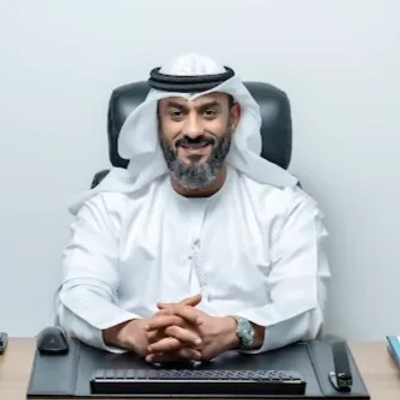
We depend on a straightforward cadence for collecting feedback. Each month, our HR team conducts brief pulse surveys and follows them with individual conversations for more in-depth understanding. We engage in this because written comments typically emphasize symptoms, whereas discussions uncover the true problem beneath. Employees are also encouraged to share their suggestions directly in our leadership Slack channel, maintaining an informal and quick communication style.
A significant piece of feedback that led to actual change originated from our onboarding team. They noted that new employees utilizing our EOR platform experienced uncertainty regarding statutory benefits during their initial week. We thought our documentation was explicit, but the team reported that individuals still had numerous inquiries. Consequently, we implemented a specific onboarding call concentrating solely on PF, ESI, and fundamental compliance. In just two months, the count of support tickets related to benefits from new hires decreased significantly, and client satisfaction improved during the onboarding process. This minor adjustment was solely based on input from the frontline and emphasized the importance of early listening to reduce efforts for everyone in the future.

Replace Manuals With Short Video Walkthroughs
When it comes to employee feedback, we keep the process simple and practical. We regularly ask our teams what slows them down, what feels unclear, and what would genuinely make their day-to-day work easier — especially during onboarding or transitions between projects. Just as important, we close the loop by acting on patterns we see in that feedback, not treating it as a formality.
One specific example came from repeated comments by new hires who said that written project instructions, while detailed, were hard to absorb quickly in real working conditions. They understood the information was there, but it took time to translate documents into action. Based on that feedback, we changed our approach: instead of relying primarily on written guides for existing projects, we began recording short, focused video walkthroughs. These videos showed real workflows, tools, and common edge cases.
The result was faster onboarding, fewer clarifying questions, and more confidence from new team members in their first weeks. That experience reinforced a core lesson for me as a founder: feedback is only valuable if it leads to concrete, human-centered changes in how people work.

Launch Biweekly Syncs to Align Departments
We view feedback as a constant dialogue instead of a formality. We collect information via monthly 1:1 meetings, anonymous surveys, and an open-door channel on Slack that enables anyone to submit suggestions or raise concerns. The most important aspect is that we always complete the cycle of feedback; each suggestion is assessed, prioritized and implemented (when applicable) so that everyone can observe how their input has influenced the company.
As an example of how we implement feedback, multiple individuals from different areas of the team expressed concerns regarding a decline in cross-team communication and collaboration as our organization grew. As a result of this feedback, we created a bi-weekly “Team Sync” format, where each department meets to provide updates on what they’re working on, their successes, challenges, etc. This initiative has resulted in improved communication across departments about what projects are in progress, a decrease in duplicate work, and greater connections between employees to support the overall goals of the company.

Redesign Handover After Recognized Insight
When it comes to employee feedback, I have learned that they speak up more when they feel that what they’re saying matters and that their feedback is valued. This is why I make it a point not only to collect their feedback but also to recognize those who are initiating positive change. This is a pretty simple approach, but it had a huge impact on engagement.
One thing that happened this year was that one of our account managers brought to my attention that our handover process between sales and production was causing unnecessary back and forth. Instead of leaving this feedback buried in our e-mail, I made sure to bring it up during our operations meeting and asked this employee to walk us through the experience. Because of this, we ended up redesigning the handover template, adding clearer product fields, and integrating it into our project management system.
This shift didn’t only improve our process — it showed the entire team how even a single and small piece of feedback can turn into an operational improvement for the entire company. Of course, I made sure to recognize her efforts during our team huddle. Recognizing your team members’ contributions will reinforce the message that you value their voice, their feedback, and that you are giving them an opportunity for growth.

Move to Milestone-Based Checkpoints
We collect feedback using a standard approach: regular one-on-one meetings every quarter, anonymous team surveys during project work, and retrospectives after project completion or a major release.
A specific example from my practice (I conduct these personally with mid-level and senior engineers): based on the results of several one-on-one meetings and a survey, it became clear that people were dissatisfied with how performance reviews were conducted. Many felt that once a year was too infrequent and that the process was too formal from their point of view. We shifted some of the processes to shorter sessions after key milestones (major release, major project, complex incident). We also created templates for specific feedback and discussions about professional growth and development within the company, not just “evaluation.” After this, satisfaction levels increased in the surveys, and the feeling of “I was remembered once a year and then forgotten” decreased.

Overhaul Schedules With Recovery Windows
We actively gather employee feedback through weekly debriefs, case reviews, and anonymous input channels that allow our clinical and concierge teams to speak openly about what they need. Because our work is intensive and high-touch, we treat feedback as essential fuel for improving both client care and staff wellbeing. One impactful example came when our team shared that rapid back-to-back case assignments created unnecessary burnout. In response, we redesigned our scheduling model to include recovery windows, rotating support, and clearer communication before each assignment. As a result, our team feels more supported, client outcomes improved, and morale increased across the board. By listening deeply and acting quickly, we ensure our staff feels valued and our concierge services continue operating at the highest level.

Switch From Slack to Notion Flows
The team participates in weekly Monday check-ins, which last only thirty seconds, to assess workload, team vibe, and clarity through thumbs-up or thumbs-down responses. This quick survey helps us identify team members who may be showing signs of burnout or facing hidden challenges.
In one instance, two team members indicated they were experiencing low clarity during consecutive check-ins. Upon closer discussion, the team discovered that Slack was being used in a way that created excessive mixed directions. As a result, we transitioned to Notion-based task flows. The following week, the team experienced a significant reduction in confusion after the new system was in place.
This process produced direct results from subtle red flags that, if overlooked, could have led to half the team continuing to struggle with avoidable communication issues.

Shift Stand-Ups to Purposeful Cadence
Creating space for honest feedback has always mattered more than formal surveys. The most effective input often comes from casual, low-pressure channels — short anonymous prompts, monthly open forums, and direct check-ins that encourage simple, unfiltered thoughts rather than long-form commentary.
One piece of feedback reshaped a major internal process. Several project leads shared that daily stand-ups had turned into status reporting sessions rather than genuine collaboration. The team suggested shifting to a twice-weekly cadence with a focus on blockers and cross-functional support. After making the change, engagement rose noticeably, and project turnaround times improved because discussions became more purposeful.
That experience reinforced a simple idea: the best improvements rarely come from grand initiatives — they come from listening closely and staying willing to adjust, even when the change seems small.

Clarify Ownership and Stabilize Planning
Employee feedback is part of our operating system. We collect it through structured 1:1s, pulse surveys, eNPS, onboarding/offboarding interviews, and open HR channels. Each cycle follows the same path: gather insights, identify patterns, act on them, and communicate what changed.
A recent example came from eNPS comments and 1:1 discussions, where employees highlighted the need for clearer priorities and more predictable internal workflows. Frequent context-switching was hurting focus and delivery.
In response, we revamped our planning and communication routines: clarified ownership, strengthened alignment between managers and teams, and introduced more stable planning cycles. This reduced operational friction and improved cross-team coordination.
The biggest outcome was cultural; employees saw that their feedback directly shaped real change, reinforcing trust, engagement, and accountability across the company.

Automate Fulfillment and Ease Coordination Strain
The team receives feedback through scheduled quarterly meetings, survey responses, Slack discussions, and direct communication with leaders during product development and operational changes. Feedback is treated much like product testing — it’s seen as valuable information that deserves careful analysis and thoughtful action.
For example, team members shared that our fulfillment process was creating stress due to the need for late-night coordination. In response, we analyzed the workflows and made changes to planning and inventory system automation. This feedback process allowed us to improve both operational efficiency and employee satisfaction. That experience reinforced how team-driven operational adjustments can lead to better, more sustainable workflows for everyone involved.

Host Open Forums to Revitalize
When I find myself working with anyone on our team who has more experience in a certain area, I see it as more of an opportunity than anything. We make a real effort to invite feedback by creating open, regular spaces where people can share ideas, concerns, or improvements based on what they’re seeing day to day. Instead of keeping feedback limited to formal reviews, we encourage ongoing conversations so anyone, at any level, feels comfortable speaking up.
About a year ago, I started to notice the team was feeling drained. Creativity was slipping, morale was lower, and the constant pace of client work was clearly taking a toll. In response, we introduced open-forum sessions with no agenda and no pressure — just a safe space to talk. Those conversations made a huge difference. They helped re-energize the team, sparked new campaign ideas, and strengthened collaboration.
By truly listening and acting on that feedback, we were able to improve both team well-being and overall performance. More importantly, it reinforced a culture where people feel heard, appreciated, and empowered to help shape how we work together.

Create a Unified Brand Intake Kit
One piece of feedback that completely changed our process came from one of our designers. He mentioned that our clients often came with scattered brand materials, and the back-and-forth just to confirm “the real brand” was eating hours every week.
He wasn’t wrong. Every client seemed to send assets in a different way, and our team spent more time chasing files than actually designing.
That one feedback sparked a real fix: we created a Brand Intake Kit that asks for the client’s exact brand files, messaging, compliance notes, and examples of competitor sites they like, all in one organized form. Now every project starts with clarity instead of guesswork.
The impact was immediate as our turnaround time dropped, revisions decreased, and clients told us they appreciated how structured the process felt.

Establish Clear Decision Rights Framework
Employee feedback is core operating input and is collected in frequent, lightweight pulses so we can respond in real time. We look for patterns across teams — clarity gaps, collaboration friction, or leadership behaviors — and share those insights transparently so employees can see what we’re hearing and what we’re acting on.
In one instance, feedback revealed confusion around decision-making with cross-functional teamwork. We created a simple decision-rights framework and trained leaders to use it; within weeks, teams reported fewer conflicts and faster execution. For us, feedback only matters when it meaningfully improves how the organization works.

Adopt Weekly Check-Ins Over Reviews
We solicit feedback through weekly scheduled check-ins, coffee meetings, and direct conversations across our 55-employee company. These touchpoints let us collaborate on solutions and act quickly on what we hear. A concrete example is our shift from traditional performance reviews to direct conversations, collaborative problem-solving, and weekly check-ins, which has supported employees and reduced turnover.

Map Career Paths and Convert Roles
We solicit feedback through regular one-on-one reviews that invite open discussion of performance, contributions, and career aspirations. Based on this feedback, we mapped clear career paths and converted select volunteer roles into job offers, while providing recognition to those who directly impacted the business.

Hold Story Sessions and Introduce Mental Health Days
We solicit employee feedback through quarterly anonymous story sessions where team members share personal insights. Themes from these sessions guide our actions. For example, that feedback led us to introduce mental health days and change how teams communicate.

Treat Team Input as Operational Data
We treat employee feedback as a data stream just as important as product analytics — continuous, structured, and actionable. Since we’re a fast-moving HR tech company, the team’s sentiment directly correlates with product velocity and customer satisfaction, so we’ve built a multi-layered feedback system that gives us both qualitative depth and quantitative signals.
We use a mix of asynchronous and real-time channels:
1. Monthly Pulse Surveys (82-87% participation rate)
A short survey covering workload, clarity, alignment, and manager feedback. We track trends over time instead of isolated responses. Our benchmark is to maintain a minimum eNPS of +40, and anything below triggers a root-cause conversation.
2. Anonymous “Voice of Team” Form
This runs 24/7 and allows team members to submit concerns, ideas, or blockers without attribution. We categorize these under People, Product, Culture, and Process. Roughly 20-25 submissions per quarter come through this channel.
3. Quarterly Listening Circles
These are 60-90 minute founder-led sessions where small groups openly discuss what’s working and what isn’t. No slides, no agenda, pure listening. This is where I get the most unfiltered insights.
4. Leadership Skip-Level Check-ins
Every quarter, I meet employees 2 levels down the reporting line. These meetings surface high-leverage operational issues before they turn into bottlenecks.