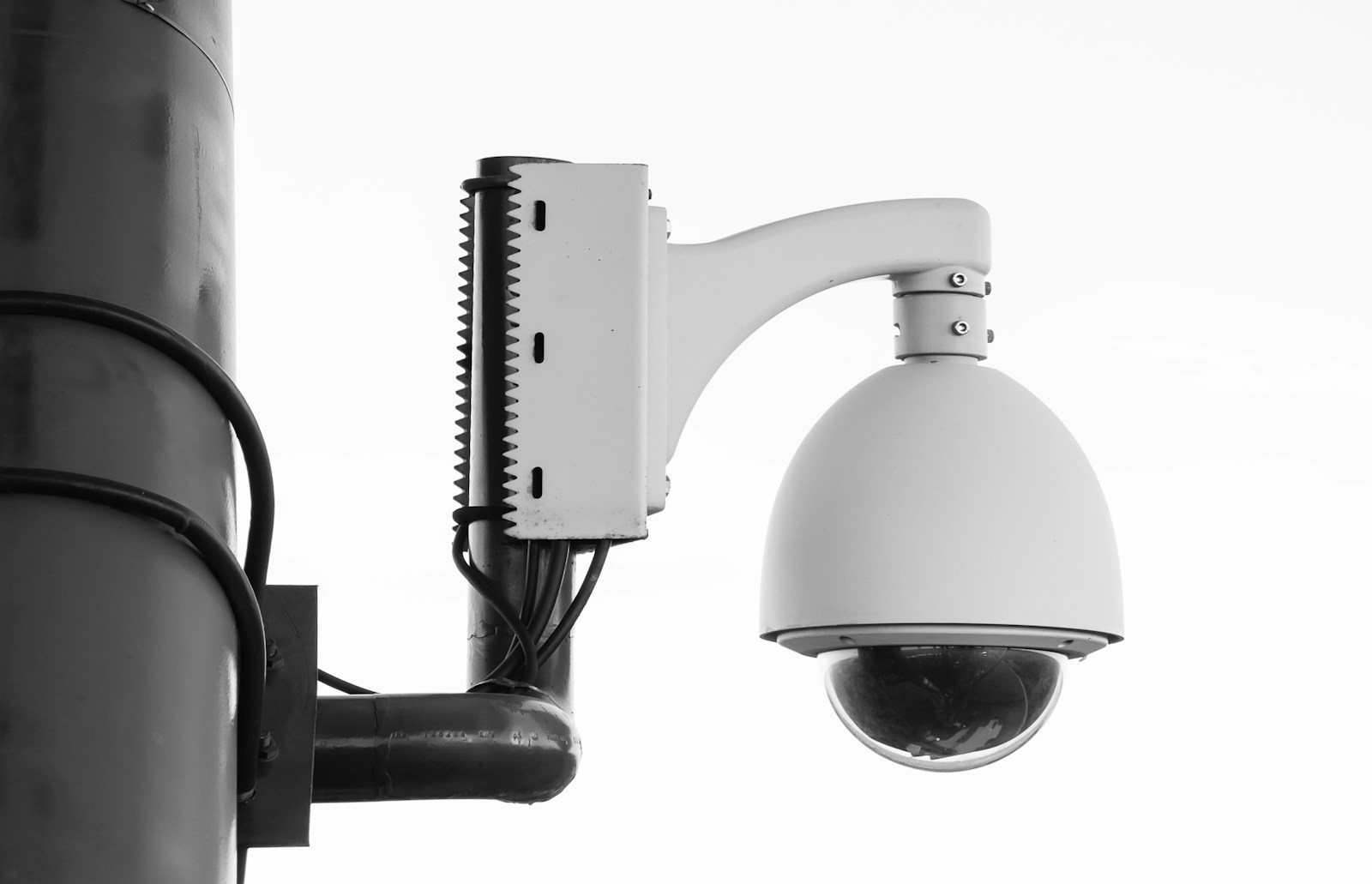
Security Monitoring in the Workplace
This incident highlights the increasingly common practice of workplace surveillance through security cameras. Many businesses use video monitoring systems to protect assets, ensure safety, and investigate incidents that occur on company property.
Security cameras in workplaces typically serve multiple purposes:
- Deterring theft and vandalism
- Documenting workplace incidents
- Ensuring compliance with safety protocols
- Protecting both employees and customers
While the company has not shared what prompted the review of the footage, such examinations often occur following reports of policy violations, security breaches, or other workplace incidents requiring investigation.
Privacy and Legal Considerations
The use of security cameras in workplaces raises questions about employee privacy and legal compliance. Most jurisdictions allow workplace surveillance, but companies must typically inform employees about monitoring practices.
Employers generally have the right to monitor activities in common areas and work spaces, though restrictions often apply to areas where employees have a reasonable expectation of privacy, such as restrooms or changing areas.
Legal experts note that companies should maintain clear policies about camera usage and ensure employees understand when and where they may be recorded. This helps maintain trust while still allowing businesses to protect their interests.
The company has not indicated whether any disciplinary action resulted from the camera footage or if the recording was part of a routine security review. Without additional context, it remains unclear whether the identification of these two employees on camera is connected to any workplace violation or simply part of standard security procedures.
As workplace monitoring technology becomes more sophisticated, organizations continue to balance security needs with employee privacy concerns. This case serves as a reminder of the growing role of surveillance in modern work environments and the importance of transparent policies regarding its use.