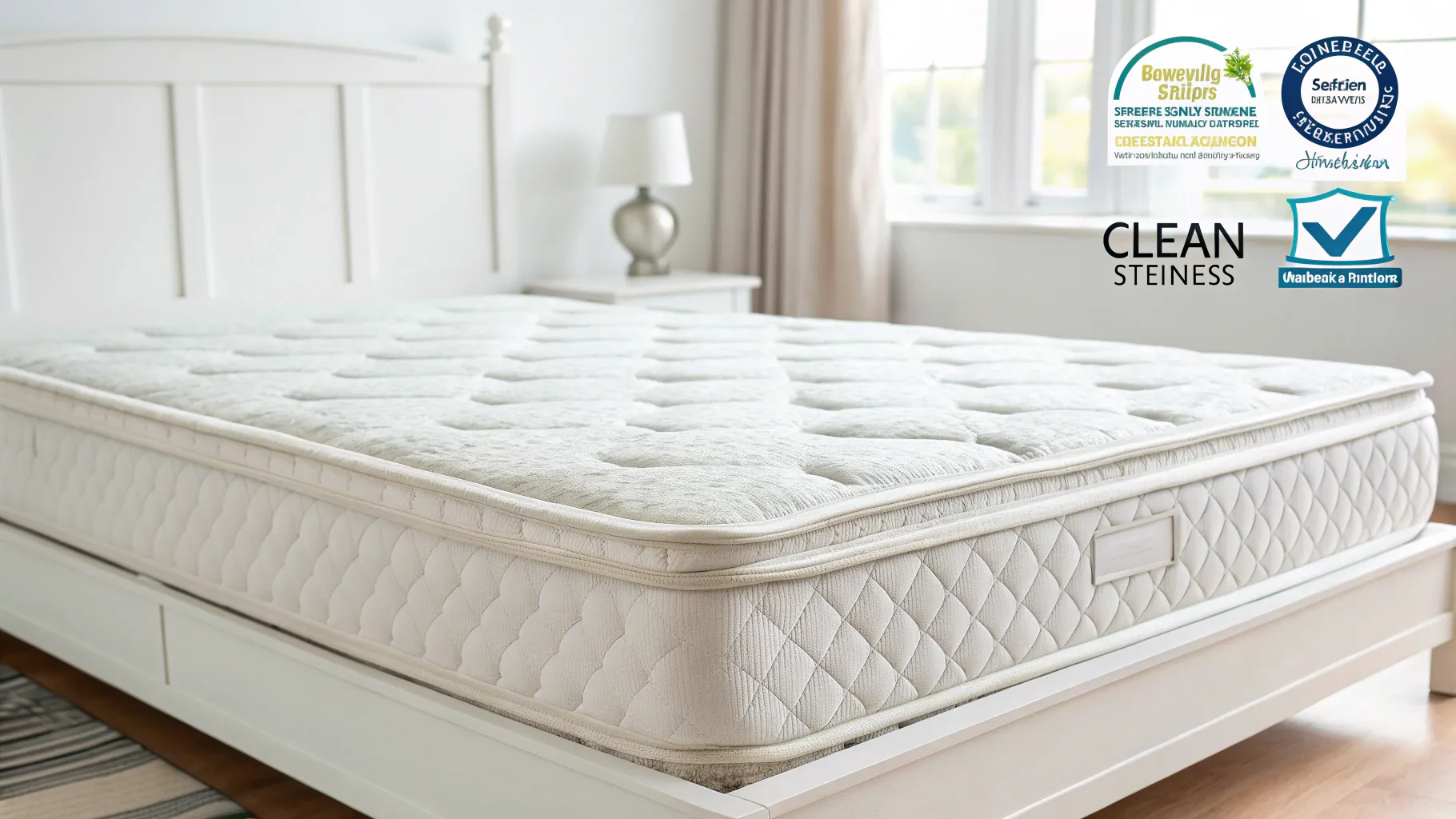
A new buyer’s guide is zeroing in on mattresses built to support higher body weights, aiming to cut through marketing hype and address a long-ignored need in sleep products. The roundup, released this week by an independent review team, compares beds on support, durability, temperature control, and warranty terms that matter to larger bodies.
The curators summarized their approach in a simple line that underscores the effort’s scope:
“We’ve narrowed down all the best mattresses for heavier folks and those with larger bodies.”
The list arrives as more consumers report premature sagging and pressure pain from beds that underperform under higher loads. It also reflects a wider retail trend: shoppers are asking pointed questions about coil gauge, foam density, and true weight limits rather than relying on generic “universal firmness” claims.
Why Mattress Fit Matters
Support needs change with weight. A bed that feels firm to a 150-pound sleeper can compress far more under a 250-pound sleeper, reducing spinal alignment. Over time, low-density foams are more likely to form impressions. Softer perimeter foam can collapse at the edges, making it harder to get in and out of bed.
Warranty policies and trial periods also carry extra weight for these buyers. Many report sagging within the first two years, yet face strict warranty thresholds for body impressions. Clarity on those thresholds is a key factor in the new rankings.
How The Shortlist Was Built
The reviewers say they prioritized long-term support and heat regulation. They also weighed verified owner feedback about early sagging, noisy coils, and edge instability. While prices varied, the group emphasized total value over sticker cost.
- High-density comfort foams (often 1.8–2.5 lb/ft³ or higher for polyfoam).
- Coil systems with thicker wire and zoned support.
- Firmness options that prevent deep sink while easing pressure.
- Reinforced edges for sitting and transfers.
- Cooling materials or airflow design.
- Transparent weight guidance and warranties.
- Trials long enough to test support under daily use.
Hybrid designs featured strongly, especially models with zoned coils and dense comfort layers. All-foam models made the cut when upper-layer densities were high and the base foam was sturdy enough to resist bowing.
What Owners Report
The guide highlights common pain points from larger sleepers: shoulder and hip pressure, midsection dip, and heat buildup. Several models addressed this with firmer transitional foam and breathable covers. Where memory foam was used, the beds paired it with stronger base foam or coil cores to prevent a “stuck” feel.
Edge reinforcement emerged as a key differentiator. Beds without perimeter support scored lower among heavier users, who often sit on the edge when getting up. The reviewers also flagged models with vague weight guidance as higher risk.
Retailers And Brands Respond
Manufacturers have been adding firmness tiers and publishing more technical specs, including foam density and coil count. Some now list explicit weight guidance per sleeper, or recommend firmer builds for couples with higher combined weight.
Service policies are shifting as well. Trials of 100 nights or more, plus warranties that define impression depth, give shoppers clearer recourse. Still, the reviewers caution that warranty coverage can exclude softening that stops short of the stated sag threshold.
What This Means For Shoppers
The guide’s message is simple: match construction to need. For many heavier sleepers, a hybrid with thicker coils and dense foam offers steadier alignment. Cooling features are important but should not come at the cost of support.
Budget shoppers can still find options by focusing on specs over branding. High-density transitional foam, a sturdy coil core, and reinforced edges often deliver better results than flashy covers or extra pillows.
What To Watch Next
Expect more models with zoned coils and firmer transitional layers. Look for clearer spec sheets, including foam densities and coil gauge. Pressure mapping and third-party durability testing may become standard as shoppers demand proof.
As the reviewers put it, the goal is not just comfort on night one, but support that holds up. For heavier sleepers, that can mean the difference between a restful morning and a stiff start.
The new shortlist offers a practical roadmap: check densities, confirm edge support, and read the warranty fine print. With better data and clearer labels, buyers can choose beds that last, not just beds that feel good in a showroom.