A newly highlighted cache of documents tied to Sir Edward du Cann is drawing attention to one of Westminster’s most private power centers. The papers are linked to the former chair of the Conservative backbench 1922 Committee, a group with a decisive role in party leadership. Researchers say the material could widen understanding of how the party handled internal pressure and change during key moments in the late twentieth century.
The papers surfaced in a collection associated with du Cann, according to those familiar with the files. Their appearance comes as interest grows in the forces that shape leadership contests and confidence votes. Historians and former aides say any authentic records from the era may help explain how the party navigated crisis, unity, and discipline behind closed doors.
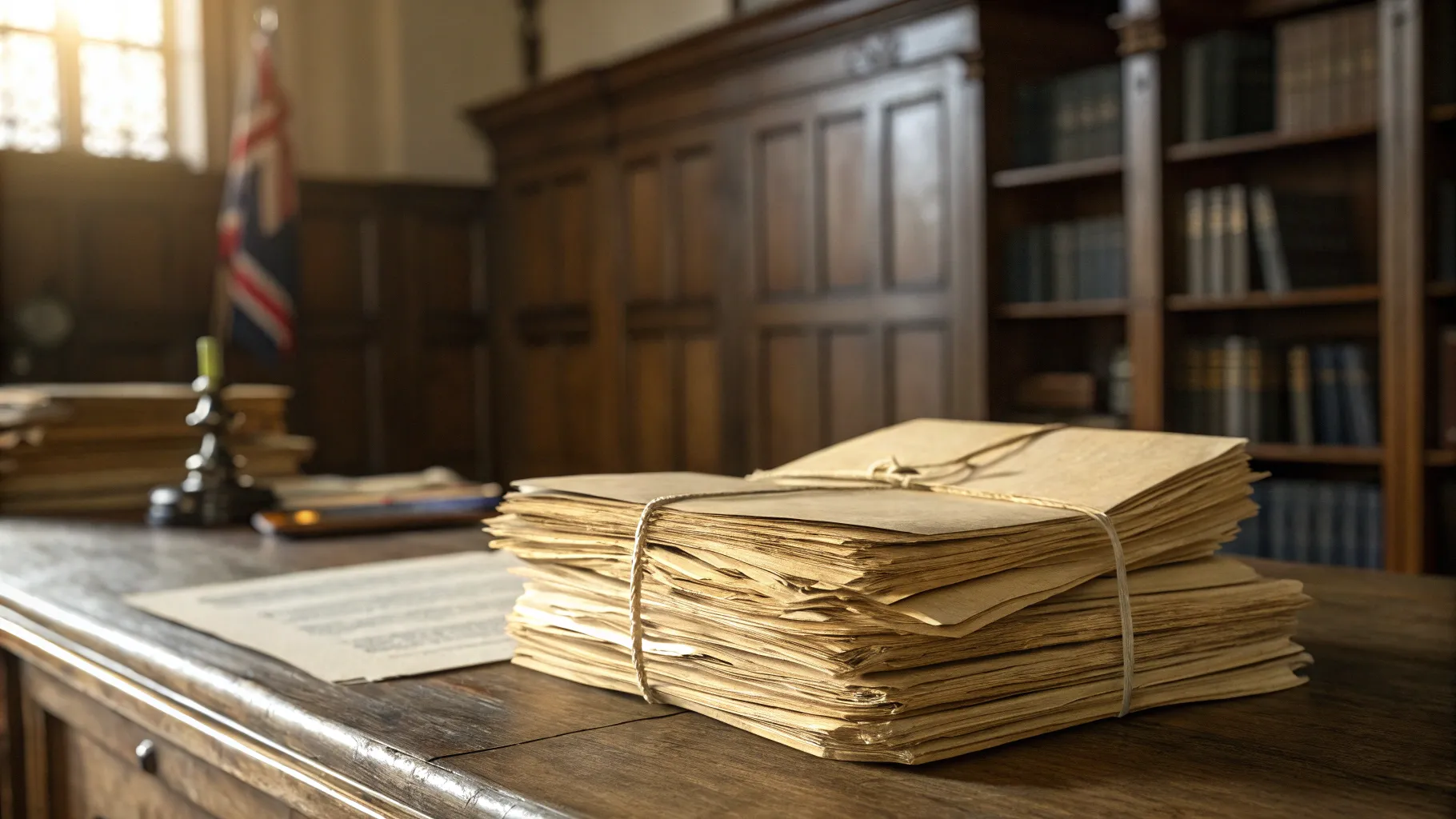
They were among a cache of papers belonging to Sir Edward du Cann, who was chairman of the influential Conservative backbench 1922 Committee.
Why the Papers Matter
The 1922 Committee represents Conservative backbench MPs. It offers a forum for grievances, builds consensus, and can trigger leadership challenges. Its private meetings are rarely documented in detail. That secrecy has long fueled curiosity about the forces that drive leadership outcomes.
The newly surfaced documents could include notes, correspondence, or internal briefings. If verified and made public, they may reveal how party managers handled dissent, and how leaders weighed risk. Researchers say even mundane memos can fill gaps in the record of tense periods.
- They may clarify how backbench opinion was tested and reported.
- They could show how leadership votes were prepared.
- They might map alliances among MPs during crises.
Who Was Sir Edward du Cann
Sir Edward du Cann was a senior Conservative MP and a key party organizer for decades. He was known as a skilled backroom figure who understood the mood of colleagues. His chairmanship of the 1922 Committee made him a central conduit between leaders and backbenchers.
Outside Parliament, du Cann held business roles that drew scrutiny at points in his career. Supporters saw him as a shrewd strategist with deep ties across the party. Critics viewed him as an enforcer of party discipline who kept pressure on leaders when the numbers shifted.
The 1922 Committee’s Quiet Power
The committee’s influence is felt during leadership turmoil. It sets rules for contests, gathers letters of no confidence, and informs leaders when support is slipping. Former ministers say the committee chair often becomes a messenger of hard truths.
Analysts argue that the group’s clout grows when governments struggle. In such times, the backbench voice hardens. Chairs like du Cann have stood at the hinge between a leader’s survival and a managed exit. That role, though procedural, can decide the timing and tone of change at the top.
Historians Urge Careful Reading
Experts caution against treating private notes as a final record. Personal papers can be incomplete, self-serving, or written under stress. Cross-checking with official archives, diaries, and media reports is essential.
Still, scholars say the cache is promising. It could reduce guesswork about key meetings and offer insight into how MPs were counted and persuaded. One political historian said material from a committee chair can “show how the temperature of the party was taken,” even if it does not settle every dispute.
What Comes Next
Questions remain about access, cataloging, and publication. Archivists will need to verify provenance and condition. If a public release follows, editors will likely prioritize items that shed light on leadership rules, vote thresholds, and internal messaging.
For party veterans, the files may reopen debates about how modern the party was in its methods. For younger MPs, they could serve as a guide to pressures that recur in every generation: discipline, loyalty, and timing.
The emergence of these documents hints at a more detailed record of Conservative decision-making during tense chapters. If authenticated and responsibly released, they could sharpen the picture of how leaders were tested and how backbenchers measured power. Researchers, and many in Westminster, will be watching for what the files reveal— and what they do not.