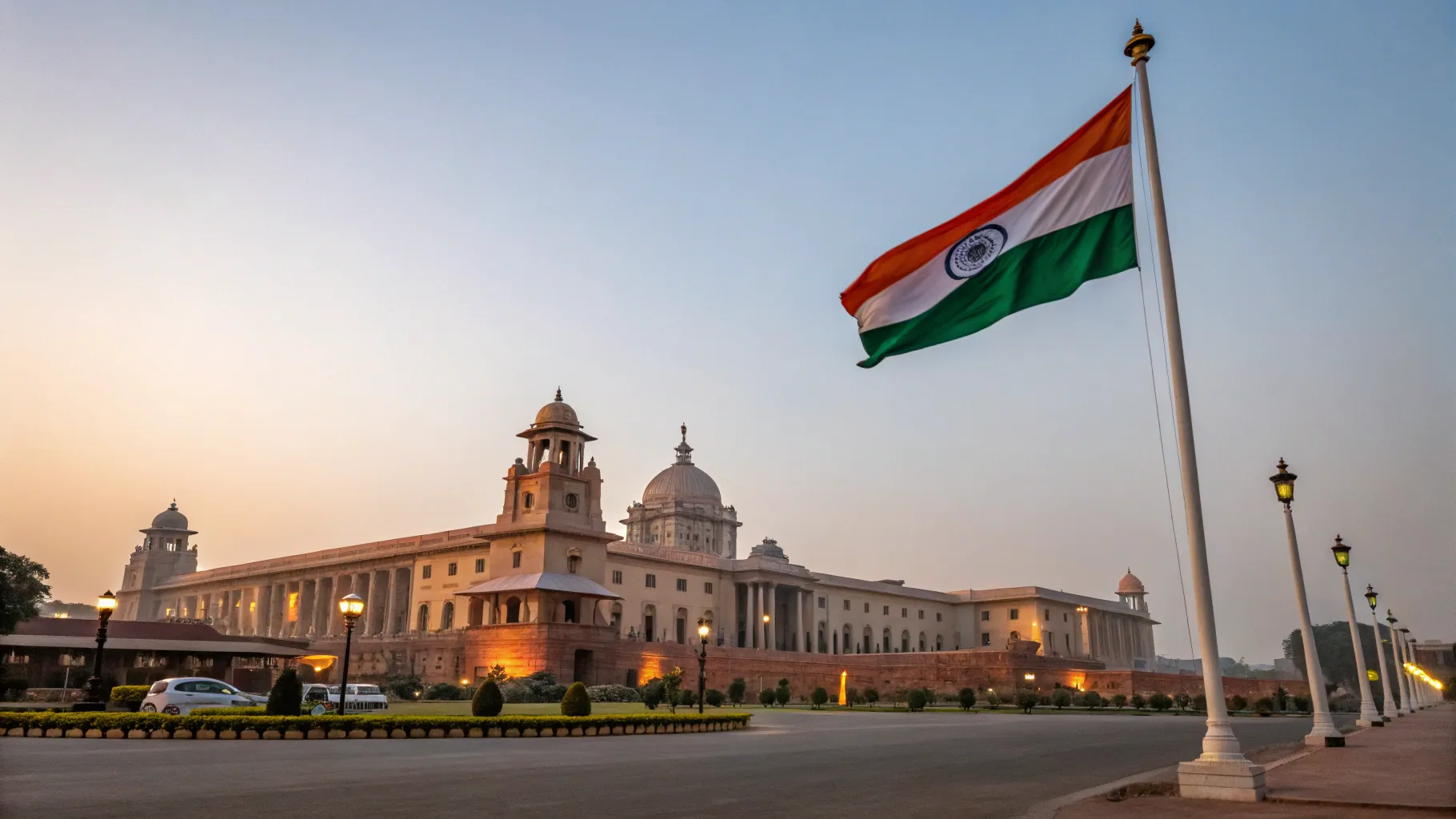
Prime Minister Narendra Modi addressed a special session of the Lok Sabha to mark 150 years of “Vande Mataram,” calling attention to the song’s place in India’s public life. The address in Parliament honored Bankim Chandra Chattopadhyay’s work and reflected on how it helped shape a shared identity during the freedom struggle. The occasion blended remembrance with a call to unity, as the Prime Minister linked the song’s message to present-day national goals.
Why This Anniversary Matters
Composed in the late 19th century by Bankim Chandra Chattopadhyay, “Vande Mataram” became a rallying cry in the movement against colonial rule. It first appeared in the novel Anandamath and later spread through public meetings, protest marches, and student groups. Decades later, the Constituent Assembly recognized it as India’s national song, while “Jana Gana Mana” became the national anthem.
For many, the song evokes sacrifice and hope. It is linked with mass mobilization, boycotts, and the idea of the land as a mother figure. The anniversary offers a chance to revisit how cultural symbols knit together political action and civic duty.
The Prime Minister’s Message
Modi used the session to frame the song as a living guide for public spirit. He reflected on its “enduring legacy,” and said its themes still speak to a country managing growth, diversity, and security. He described its message as one of unity, courage, and patriotism.
The address “reflects on the enduring legacy of Bankim Chandra Chattopadhyay’s masterpiece, its role in shaping India’s national consciousness, and its timeless message of unity, courage and patriotism.”
Lawmakers in attendance noted that commemoration in Parliament can help younger citizens connect with history. Supporters of the move said it signaled continuity in national priorities and respect for foundational cultural works.
Debate and Inclusivity
“Vande Mataram” has also prompted debate over the years. Some groups have raised concerns about religious imagery in parts of the poem. Others argue that the song, when framed as a symbol of civic love for the country, can remain inclusive.
Analysts say Parliament’s choice to elevate the song at this milestone reflects an effort to place shared values above differences. Cultural historians note that public institutions often turn to symbols that cut across regions and languages to build common purpose.
Historical Threads and Public Memory
The song’s journey from literature to public squares mirrors India’s political awakening. It was sung at early national gatherings, quoted in speeches, and printed on pamphlets that circulated widely. Its phrases became shorthand for self-rule and dignity under pressure.
- Origin: Written by Bankim Chandra Chattopadhyay and included in Anandamath.
- Role: Used in meetings and rallies during the freedom struggle.
- Status: Recognized as the national song after Independence.
Teachers, artists, and activists have kept the song in the public sphere through recitations and cultural programs. That continuity has preserved its core ideas for new audiences.
What Comes Next
The session’s focus on heritage arrives as India invests in civic education and national projects. Policymakers see cultural reference points as tools for public engagement. Critics caution that symbols must be paired with practical steps that improve daily life.
If the anniversary leads to updated curricula, public archives, and community events, it may widen access to history. Cultural experts suggest such efforts work best when they invite participation rather than set fixed interpretations.
By centering “Vande Mataram” in the Lok Sabha, the government placed a familiar song at the heart of public debate. The message was clear: ideals of unity and courage should guide policy and citizenship. The next test will be how these ideals inform education, civic programs, and dialogue across communities in the months ahead.