Across the country, we honor the courage and sacrifice of the men and women who have served. But long after their service ends, many veterans continue fighting battles that can’t be seen.
Even after returning home, the mission mindset remains to stay strong, push forward, and not break. It’s what kept them alive. And for many veterans, it’s what’s now holding them back.
It’s common for our nation’s heroes to struggle with trauma, grief, or depression after service. Yet the same mindset that carried them through combat often keeps them from seeking help. The belief that “real soldiers don’t need help” is ingrained in military culture and can be destructive.
Our veterans deserve a better standard of care and a new definition of strength.
The Double-Edged Mindset
For many service members, strength was learned in the line of fire. Years of training fine-tuned their instincts to anticipate threats, stay alert, and respond instantly in life-or-death situations.
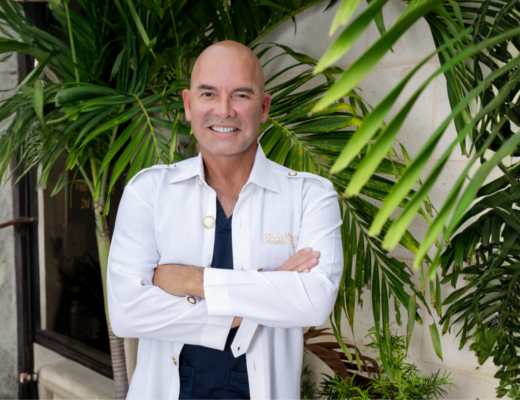
“The military mindset can offer a lot of strength because they are trained to anticipate threats, stay alert, and respond instantly in life-or-death situations,” said Bryce Gosney, psychiatric mental health nurse practitioner at Serenity Mental Health Centers and a military veteran. “That constant readiness builds extraordinary resilience. It helps service members remain calm when chaos comes. That’s a strength few civilians ever experience.”
But Bryce also points out the cost of living on high alert long after the mission ends.
“That mindset that’s tuned to prepare for dangerous scenarios is also used in how they approach their family, crowds, restaurants, family reunions,” he said. “It’s a source of strength, but it can also become a constant drip feed of negativity, where the mind is always scanning for what could go wrong.”
Over time, that “constant drip” can drown out joy. The brain becomes so trained to detect threats that it forgets how to notice safety, gratitude, and connection.
The same hyper-vigilance that once protected them now isolates them.
Relearning to See the Good
Bryce believes the solution isn’t to erase the military mindset. It’s to retrain it.
“We encourage service members to embrace their training, embrace their preparedness,” he says, “but also to actively embrace the positivity in life and to accept joy with a positive mindset.”
That balance can take work. For some, it means learning to trust again. For others, it’s learning to feel again.
“For people with a military mindset, the challenge of life is reversed. They don’t need to learn how to be ready for danger. They already are. The real challenge is learning how to recognize safety and happiness when it’s right in front of them,” said Gosney.
This is where the right care can help veterans reconnect to themselves by redirecting their strength, not erasing it.
Real Healing and Change
Many veterans have already tried multiple antidepressants, experienced side effects, or found that therapy alone wasn’t enough.
That’s where Transcranial Magnetic Stimulation (TMS) comes in.
TMS is a treatment that uses gentle magnetic pulses to stimulate underactive areas of the brain responsible for mood regulation. In many veterans, those areas have gone “offline” after years of trauma and stress. TMS helps wake them back up safely, effectively, and without medication side effects.
Each session lasts about 20-30 minutes. There’s no anesthesia, no downtime, and no medication involved. During treatment, a TMS Technician helps the patient [or veteran] to work on journaling, gratitude, goal setting, and more.
Many patients notice improvements after a few weeks: better sleep, clearer thinking, and lighter moods.
For veterans who have tried traditional antidepressants or talk therapy without success, TMS offers a way forward that targets the source of symptoms rather than just managing them.
The goal is to help them recognize, maybe for the first time in years, that life is something to experience, not just survive.
You Deserve to Heal
To every veteran still fighting in silence: you’ve already proven your strength. You’ve given your country everything.
Now it’s time to give something back to yourself.
If you or someone you love is struggling with depression, anxiety, PTSD, or suicidal thoughts, there is hope and there is help.
Call 844-310-1649 or visit www.serenitymentalhealthcenters.com to book an appointment today.