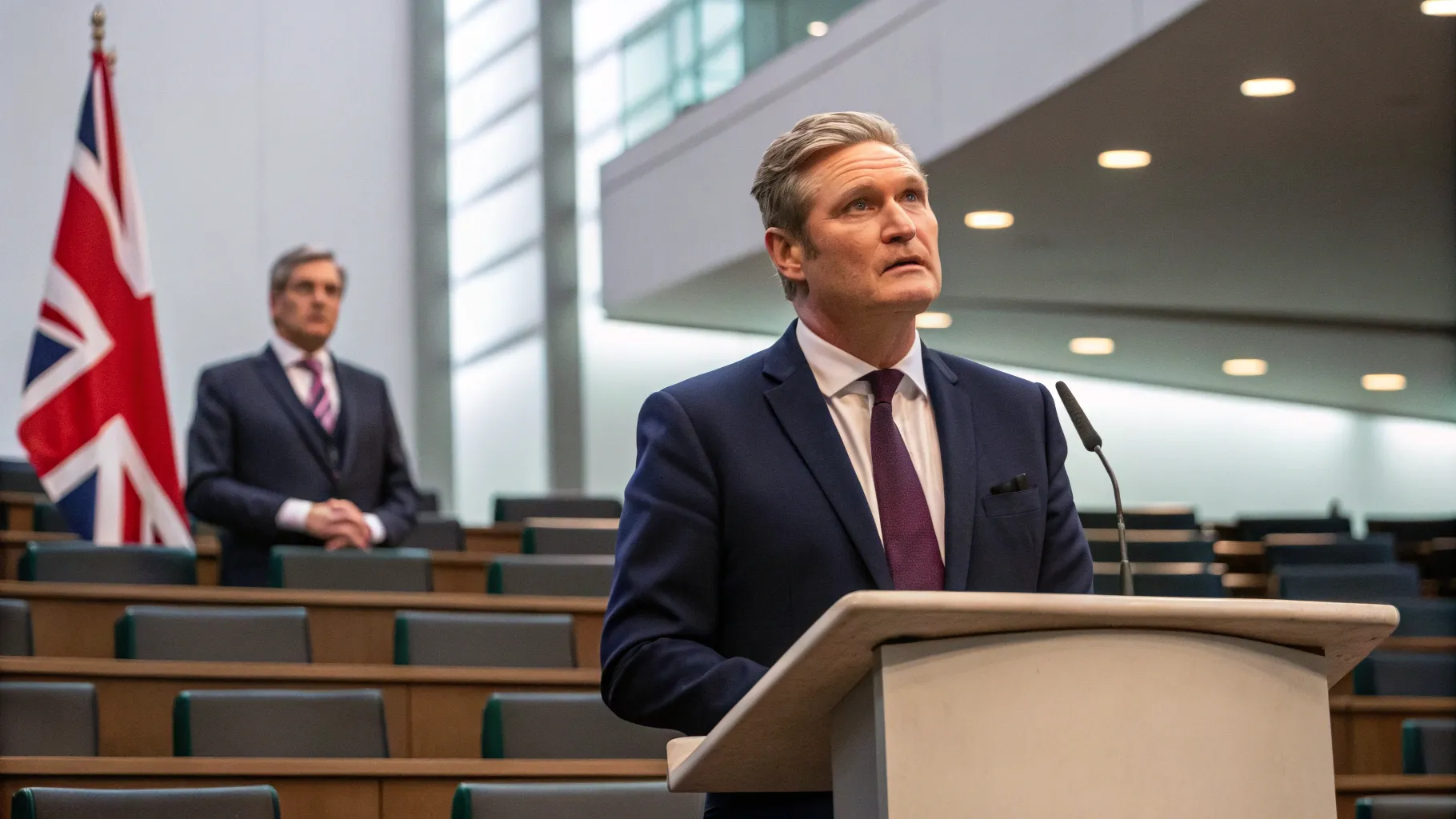
Prime Minister Keir Starmer has accused Nigel Farage of crossing “a moral line” with his anti-immigration stance, escalating a long-running dispute over how Britain handles migration. The comments signal a sharper clash between the new Labour government and the Reform UK leader, as both seek to shape public debate after a turbulent election year.
Starmer’s remarks come as ministers face pressure to reduce net migration and manage asylum claims more quickly. Farage, a key figure in the Brexit movement and now back in Parliament, has made tighter controls central to his message. The dispute highlights a core question for the country: how to balance border control, fairness, and economic needs.
Clashing Visions On Immigration
Starmer framed his criticism as a matter of values as much as policy. He warned against rhetoric that he says targets vulnerable people and divides communities.
Starmer said Farage’s approach crosses “a moral line.”
Farage has long argued for lower migration levels, stronger border enforcement, and stricter limits on asylum. He contends that high inflows strain services, drive down wages in some sectors, and weaken social cohesion. His supporters say the political class ignored their concerns for years and that plain talk about numbers and enforcement is overdue.
Labour’s stance blends enforcement with reform. Starmer has signaled a focus on tackling criminal smuggling gangs, improving processing, and aligning work and study routes with economic priorities. He has also criticized policies he sees as performative rather than effective, while promising a rules-based system that is “fair and firm.”
Background: A Decade Of Political Pressure
Immigration has shaped British politics for over a decade. Farage rose to prominence through UKIP and later the Brexit Party, arguing that leaving the EU would restore control over borders. Reform UK, his current vehicle, turned high migration figures and small-boat crossings into a rallying cry.
Starmer, who became prime minister in 2024, inherits a system under strain. Business groups want clear and stable rules to fill shortages in health care, logistics, and hospitality. Unions worry about undercutting and exploitation in low-wage sectors. Local authorities say costs fall unevenly on housing and services.
What Is At Stake
- Public confidence: Voters want clear rules that are enforced and perceived as fair.
- Economy: Employers rely on workers in key sectors; abrupt shifts can disrupt care and supply chains.
- Asylum system: Slow decisions and backlogs add cost and create uncertainty.
- Community relations: Language used by leaders can calm or inflame tensions.
Starmer’s charge of a “moral line” suggests he believes political speech itself is part of the problem. Supporters of his view argue that framing migrants as threats fuels hostility and risks incidents of hate. Farage’s backers counter that refusing to discuss numbers and enforcement leaves communities feeling ignored, which also harms trust.
Competing Policy Paths
Labour is expected to push a mix of tougher enforcement against smuggling networks and reforms to reduce delays in asylum decisions. The government has signaled attention to regulated work routes tied to shortages, alongside training for domestic workers.
Farage and Reform UK advocate sharper cuts to overall migration, tighter eligibility for family reunions, and firmer rules on asylum claims. They argue that a clear deterrent is necessary to stop dangerous crossings and that the state should set stricter limits, even if some sectors face short-term strain.
What Comes Next
Parliament will test these differences in legislation and budget choices. Any plan will likely be judged on three measures: whether small-boat arrivals fall, whether net migration trends shift, and whether backlogs move down. The tone of public debate will also be under watch, as ministers, opposition figures, and campaigners calibrate their language.
For now, Starmer’s accusation marks a new phase. By casting Farage’s stance as a moral breach, the prime minister aims to frame the contest not just as policy disagreement, but as a choice about national character. Farage will likely welcome that fight, arguing he speaks for voters who feel unheard.
The next months will show whether rhetoric hardens or gives way to practical deals on enforcement and processing. Voters will look for visible results and a calmer debate. The measure of success, for both men, will be whether the system feels fair, firm, and workable.