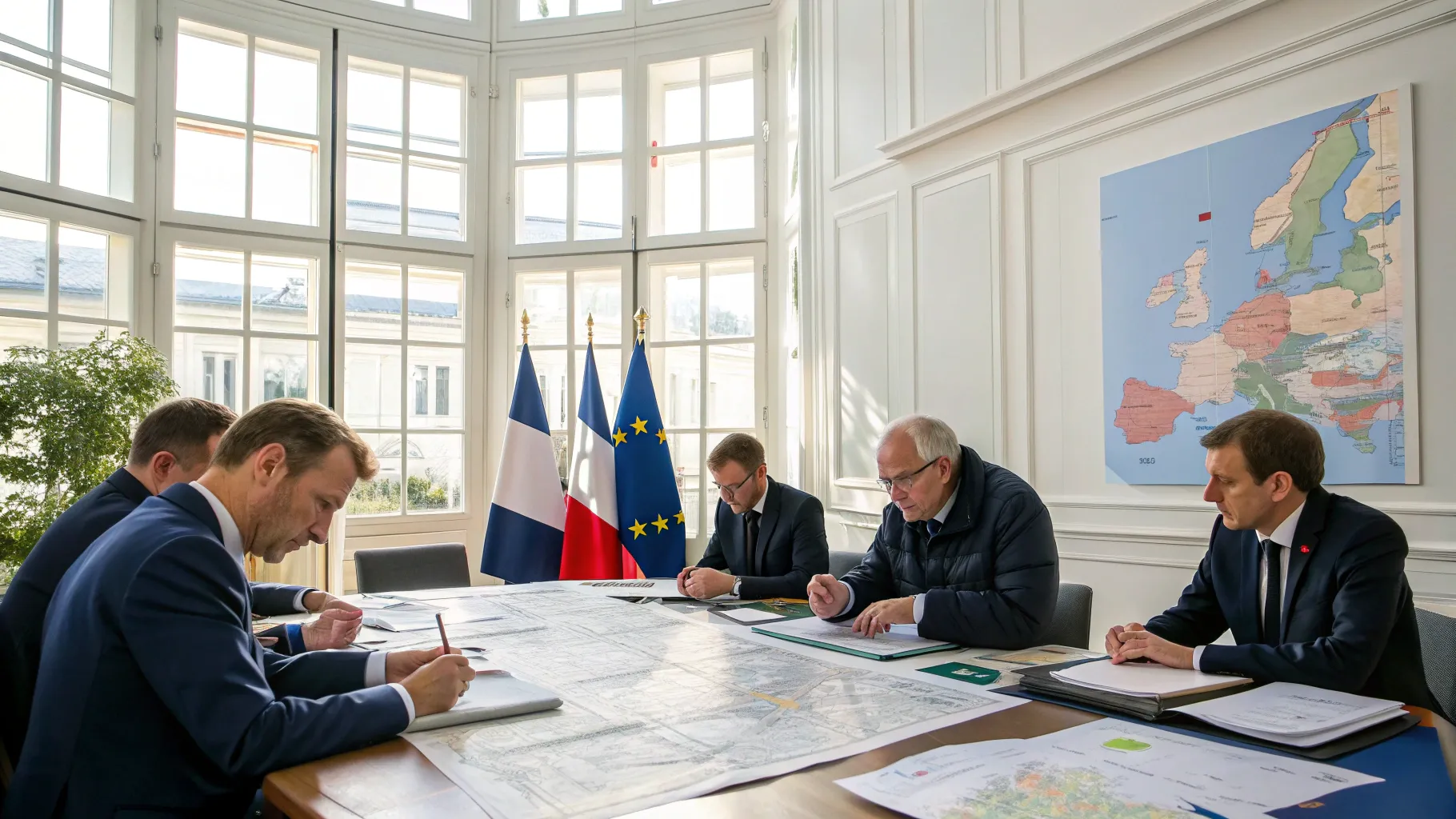
At an emergency meeting in Brussels on Sunday afternoon, France pressed European partners to prepare the European Union’s Anti-Coercion Instrument, signaling a tougher stance on external trade pressure. The push comes as ministers met under time pressure, with Paris urging a coordinated response and a clear message that the bloc will not yield to economic intimidation.
French officials argued the EU should consider swift steps if a member state or a key sector faces targeted trade or investment restrictions. The meeting, held in the EU’s political center, set the stage for potential trade countermeasures should evidence of coercion be confirmed.
What Is the Anti-Coercion Instrument?
The Anti-Coercion Instrument (ACI) is the EU’s new tool to deter and respond to economic coercion by third countries. It was designed after smaller member states reported trade pressure intended to force policy changes.
The mechanism allows the European Commission to investigate alleged coercion and, if confirmed, propose countermeasures. Member states then vote on the measures. Actions can include extra tariffs, restrictions on public procurement, and limits on services or investment.
EU officials say the goal is deterrence and a return to normal trade, not escalation. The ACI is meant to encourage dialogue and withdraw measures once pressure stops.
Why France Is Pushing Now
France’s move reflects mounting concern that targeted trade actions can split the single market and weaken EU decision-making. Paris has long backed a stronger trade defense toolbox, arguing that Europe must act when diplomacy fails.
France urged the Union to “use the ‘Anti-Coercion Instrument.’”
The appeal aligns with a broader shift in EU trade policy. In recent years, the bloc has tightened screening of foreign investment, sought fairer access to public tenders, and probed subsidies that distort competition.
Background and Recent Flashpoints
The idea for the ACI gained traction after a 2021 dispute affected Lithuanian exports following a political rift over Taiwan. The episode highlighted how trade tools can be used to pressure a member state and triggered calls for common action.
Since then, several EU industries—from technology to autos and agriculture—have reported new tariffs, delayed customs clearance, or other measures that disrupt trade flows. While many disputes have been managed through talks, governments say they need a legal backstop when negotiations stall.
How the Instrument Would Be Used
- The European Commission opens an inquiry into suspected coercion.
- It engages with the country involved to seek a resolution.
- If pressure continues, the Commission can propose a response.
- Member states vote to adopt, adjust, or reject the measures.
- Measures are lifted once coercion ends or an agreement is reached.
Officials stress that any response must be proportionate and carefully targeted to avoid harming EU consumers and exporters.
Business Concerns and Political Calculations
Industry groups often warn that countermeasures can invite retaliation. Exporters worry about supply chain disruptions and lost market access. Retailers warn of higher prices if tariffs rise on key imports.
Supporters counter that doing nothing encourages more pressure. They argue that a united response reduces the risk of individual countries being singled out. The ACI, they say, gives companies a predictable process and clear legal cover.
Potential Impact and What Comes Next
If the Commission opens a formal inquiry, businesses should prepare for possible changes in customs duties, procurement rules, or licensing conditions. Government contracts could exclude suppliers from countries found to be applying pressure. Financial services and intellectual property rules could also be targeted.
Trade lawyers expect careful calibration. Any steps must fit WTO rules, be limited in scope, and be reversible. Diplomats will likely run a parallel track to find a negotiated solution.
A Test of EU Unity
The decision will test member state unity, as some capitals prefer diplomacy first while others want a firmer line. The outcome will shape how the EU manages future disputes and whether the ACI deters pressure without triggering wider trade wars.
France’s call raises the stakes. If Brussels moves ahead, the EU will signal that it stands ready to act together and defend policy choices from outside interference.
For now, officials are watching for the next step: a possible Commission inquiry, consultations with the country involved, and, if needed, a proposal for targeted measures. The balance between deterrence and stability will define the EU’s approach in the weeks ahead.