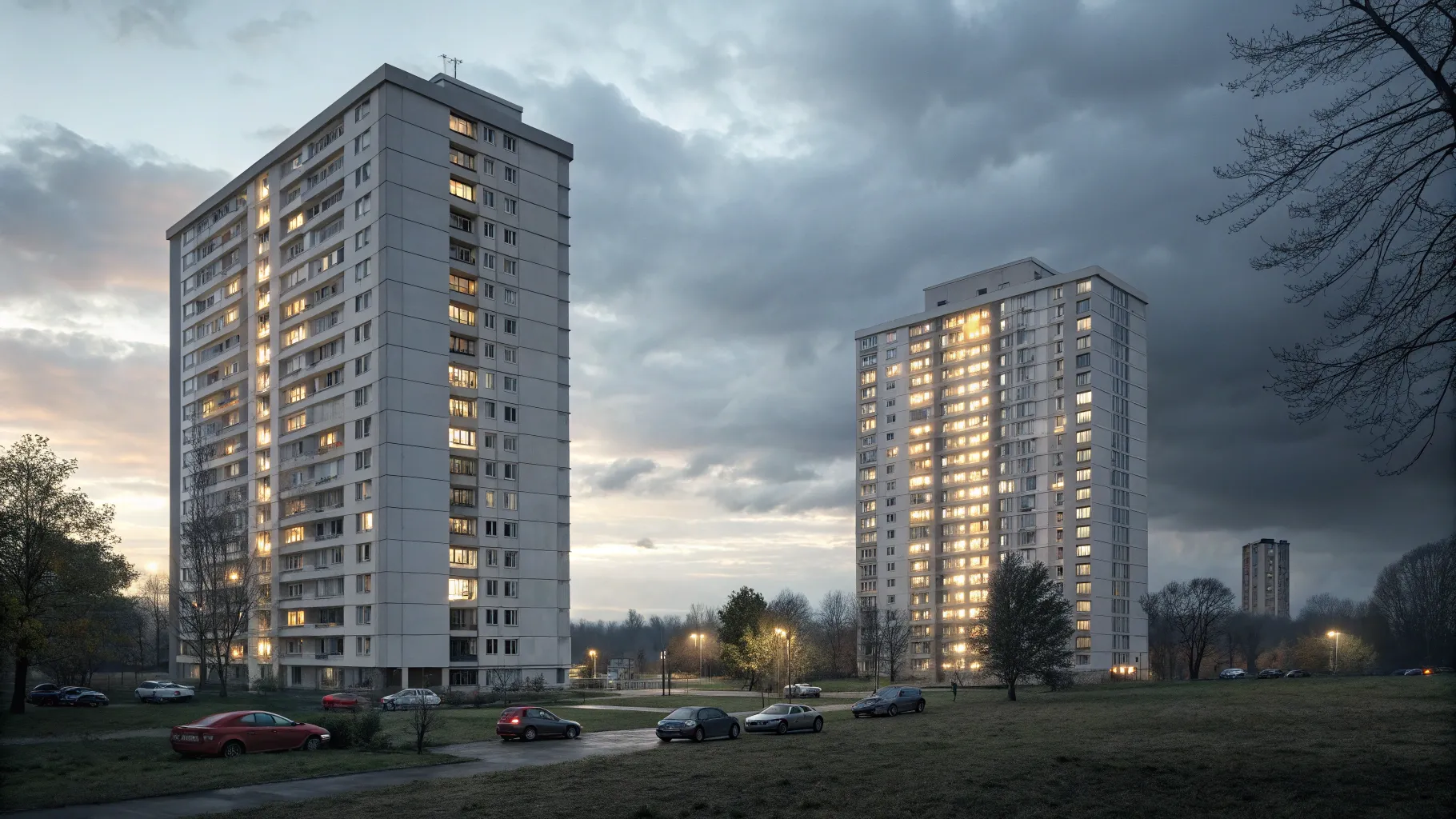
Residents in two high-rise buildings are facing steep energy bill increases after long-running subsidies ended, raising alarm about affordability and heating through the colder months. The sudden jump has sparked questions about how costs are set, who approved the change, and what support is available.
The buildings, which house a mix of families, older residents, and key workers, had part of their energy costs covered through a subsidy. That support has now been withdrawn, leaving households to absorb the full charges. Many say they were not given enough time or clear guidance to prepare.
Residents in two tower blocks see a huge rise in their energy bills that were previously subsidised.
Why Bills Are Rising Now
Energy prices have been volatile since 2021, driven by gas supply shocks and market instability. While headline rates have eased from last year’s peak, many building-level contracts remain costly. Heat networks, common in tower blocks, are not covered by the standard price cap, so pass-through costs can be higher and change more often.
Subsidies were often used to shield tenants from those swings. They could be funded by local authorities, housing providers, or past budget surpluses. Tight finances and expiring contracts can trigger review and removal of such support.
Residents say the end of the subsidy means they now face full tariffs, standing charges, and service fees tied to communal heating systems. That can add up fast, especially for homes with electric heating or limited insulation.
How the Change Is Affecting Households
For many, the issue is not only the size of the increase but the speed. Short notice can force tough choices on food, rent, and essential travel. Some households have turned down thermostats, cut hot water use, or delayed other bills to keep up.
People on prepayment meters are at particular risk. If credit runs out, heating and hot water can stop until more money is added. Families with children and residents with health conditions are especially worried about cold homes.
Housing advocates warn that rising energy arrears can lead to debt collection, stress, and possible damp and mold if heating is rationed. They argue that clear communication, budgeting support, and a phased transition could ease the shock.
Calls for Clarity and Accountability
Tenants are seeking answers on who made the decision to remove the subsidy and how prices are calculated. They want a breakdown of unit rates, standing charges, network losses, and maintenance fees. They also want to know whether cheaper supply options were considered and why any consultation was limited.
Building managers say wholesale pressures and maintenance costs have increased, leaving little room to keep subsidies in place. They argue that running a communal system requires steady funding to ensure safety and reliability.
Consumer groups point out that residents on heat networks lack some protections available to individual gas or electricity customers. They urge clearer billing, stronger oversight, and access to hardship funds while reforms are discussed.
What Support May Be Available
Several avenues could help reduce the burden if applied quickly and fairly:
- Hardship funds from councils or housing providers for short-term relief.
- Payment plans and debt breathing space to prevent disconnections.
- Energy efficiency checks to fix drafts, faulty controls, or poor insulation.
- Tariff reviews and procurement checks to find better terms at renewal.
- Advice services to help residents claim any missing benefits.
Experts also recommend fitting accurate heat meters where possible and publishing transparent formulas for shared costs. Clear notice periods for price changes can help households plan.
Longer-Term Fixes Under Debate
Policy discussions focus on two areas: protections for heat network customers and funding for upgrades that lower demand. Better insulation, smarter controls, and modern boilers or heat pumps can bring bills down over time. But many towers face high upfront costs and complex retrofits.
Stakeholders are watching national policy on price protections for heat networks and any new support for social housing retrofits. Local partnerships with energy suppliers and retrofit firms are also being explored to spread costs and speed up work.
Some residents are pushing for phased subsidy removal tied to efficiency upgrades. They argue that bills should only rise after homes are cheaper to heat.
The immediate issue remains urgent. Households in the two towers need clear timelines, fair payment options, and fast help to keep homes warm. The broader lesson is plain: when support ends, transparency and transition planning are essential to prevent hardship.
As winter approaches, residents and housing managers will be judged by how quickly they settle on relief measures and a roadmap for efficiency. The next few weeks will show whether costs can be made manageable and trust restored.