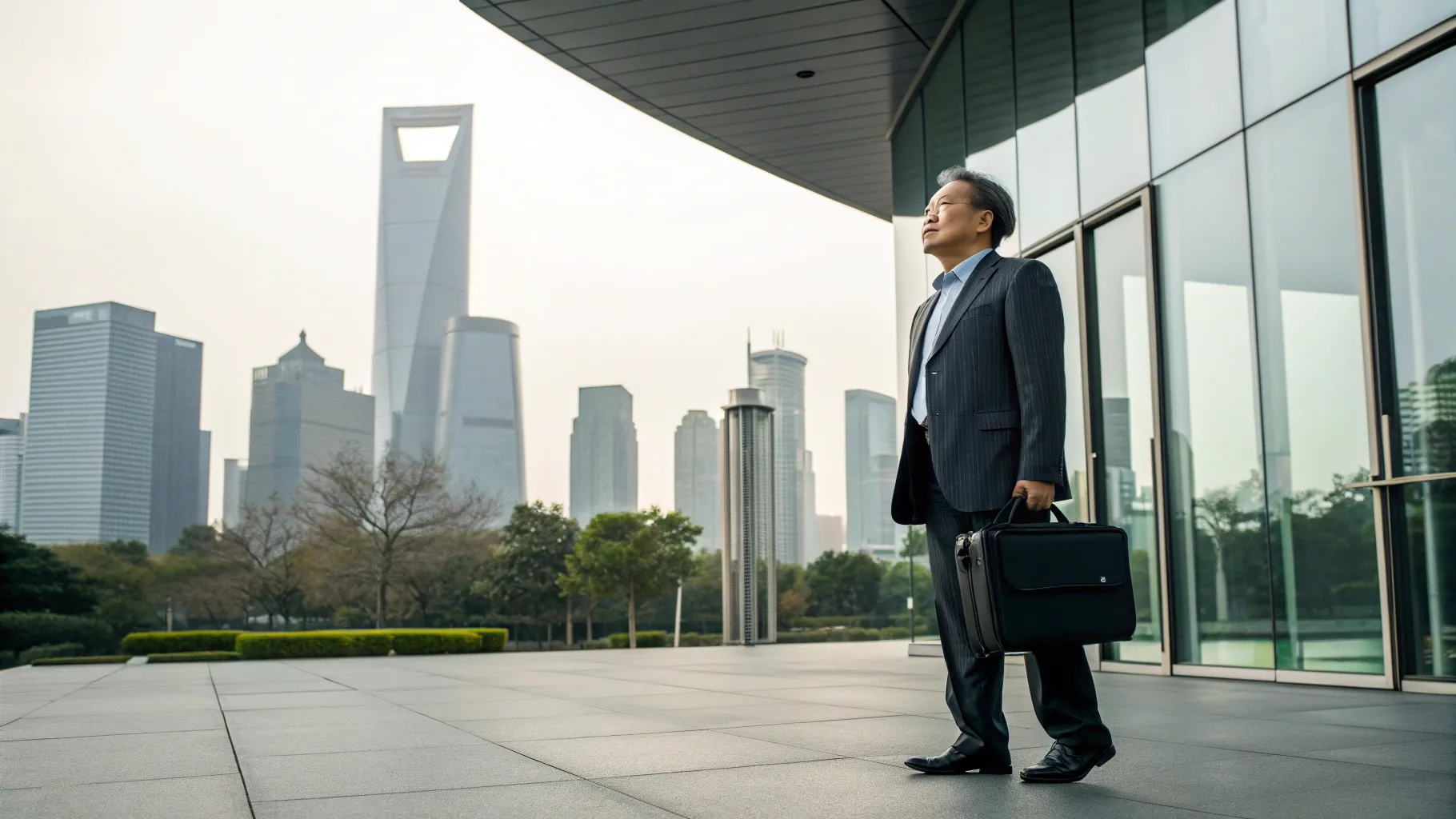
Nvidia CEO Jensen Huang is planning a trip to China ahead of the mid-February Lunar New Year, according to people familiar with the matter. The visit would bring the head of the world’s most valuable chipmaker into a key market at a sensitive time for U.S.-China tech ties. It comes as export rules, local competition, and surging demand for AI hardware reshape Nvidia’s business in the country.
“Nvidia CEO Jensen Huang plans to visit China ahead of the mid-February Lunar New Year,” two people familiar with the matter told CNBC.
The trip is expected to include meetings with major cloud providers and AI firms. It could also signal how Nvidia is navigating tighter U.S. export controls, while trying to support Chinese customers who still want its GPUs for training and running AI models.
Why the Trip Matters
China was once a major buyer of Nvidia’s data center chips, which power large AI systems. After Washington tightened rules in 2022 and again in 2023, Nvidia could no longer ship its top-end A100 and H100 processors to China. The company designed alternative chips for the market, but further restrictions narrowed those options.
Huang’s visit suggests Nvidia remains engaged with Chinese clients. It also shows how the company is balancing compliance with demand from internet platforms, research labs, and startup builders in China who still depend on high-performance GPUs.
Export Rules and Market Share Pressures
U.S. controls were aimed at limiting access to advanced chips used in AI and high-performance computing. Nvidia responded by offering adjusted products for China, including variants with lower interconnect speeds. As rules tightened, shipments grew more limited and approval timelines lengthened.
The gap opened room for domestic alternatives. Huawei’s Ascend chips have gained traction with state-backed buyers and some cloud providers. For Nvidia, that competition adds pressure on pricing and availability, even as the company faces record global demand from customers in the U.S., Europe, the Middle East, and Southeast Asia.
Analysts have long estimated that China once accounted for a meaningful share of Nvidia’s data center revenue. Since the curbs, industry estimates suggest that share has fallen, though precise figures are hard to verify. The trip could be an effort to protect what remains of that business and to shape future sales channels that meet U.S. requirements.
What Chinese Partners Want
Large platforms in China—such as Alibaba, Tencent, and Baidu—are racing to deploy AI across search, ads, e-commerce, and cloud services. They need reliable supply, clear product roadmaps, and software support. Nvidia’s CUDA ecosystem and networking stack still hold sway with many engineers, even when hardware options are restricted.
- Supply clarity: What can ship, when, and in what quantities.
- Software support: Toolchains and frameworks that reduce migration risk.
- Roadmap signals: Which compliant products will be available through 2026.
Huang has used previous trips in Asia to meet developers, universities, and manufacturing partners. A China visit would fit that pattern, while acknowledging specific regulatory hurdles in the market.
Investor View and Global Context
Nvidia’s surge in data center revenue in the past two years has been driven by a worldwide rush to build AI infrastructure. Even with limits in China, demand elsewhere has been more than enough to keep supply tight and prices high. Investors will watch this trip for signs of how Nvidia intends to stabilize China sales without risking compliance.
Washington could adjust rules again, especially as new AI accelerators come to market. Beijing, for its part, has backed local chip development and data center buildouts. That two-track policy adds uncertainty to long-term forecasts.
What to Watch Next
There are several indicators to track after the visit. First, whether Nvidia announces China-specific products that meet current rules. Second, any sign of deeper partnerships with local cloud providers. Third, updates on software support that help Chinese customers maintain compatibility with global AI tools.
For global buyers, the key question is whether China-demand management frees up more GPUs for other regions, or whether new compliance-ready lines divert inventory. For Chinese firms, the question is how Nvidia’s offerings compare with domestic options on performance, cost, and availability.
Huang’s planned trip, timed with the Lunar New Year season, suggests a pragmatic approach: maintain relationships, explain the product path, and read demand on the ground. The outcome will not change export policy, but it can shape near-term sales and technical cooperation.
If Nvidia can offer compliant hardware with strong software support, it may hold its foothold in China even as local rivals grow. If not, domestic chips could gain speed. Either way, the visit is a reminder that AI’s supply chains are now as much about diplomacy and rules as they are about silicon and code.