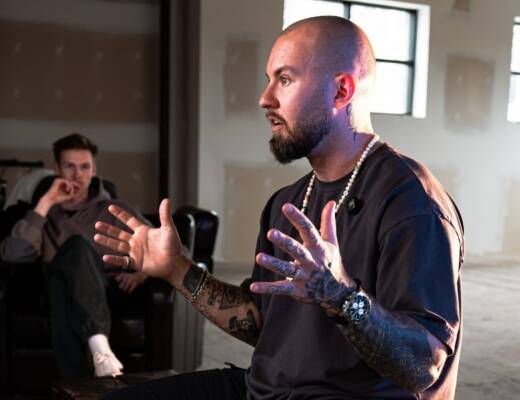
Sun Valley has long attracted people who want clean air and a clear head. But this year, the mountains are getting a different kind of climber. Former NFL wide receiver Mark Pattison, now known for becoming the first NFL player to finish the Seven Summits, is turning the region into a training ground for personal growth. His newest project takes the lessons he earned on ice, rock, and thin oxygen and shapes them into a framework for people who feel capable of more but aren’t sure how to move again.
Pattison spent years watching high achievers hit the same slowdown he once experienced after leaving professional football. The routines that once pushed them forward stalled. Progress became maintenance. He saw that pattern clearly because he lived it.
A Turning Point at Minus Sixty
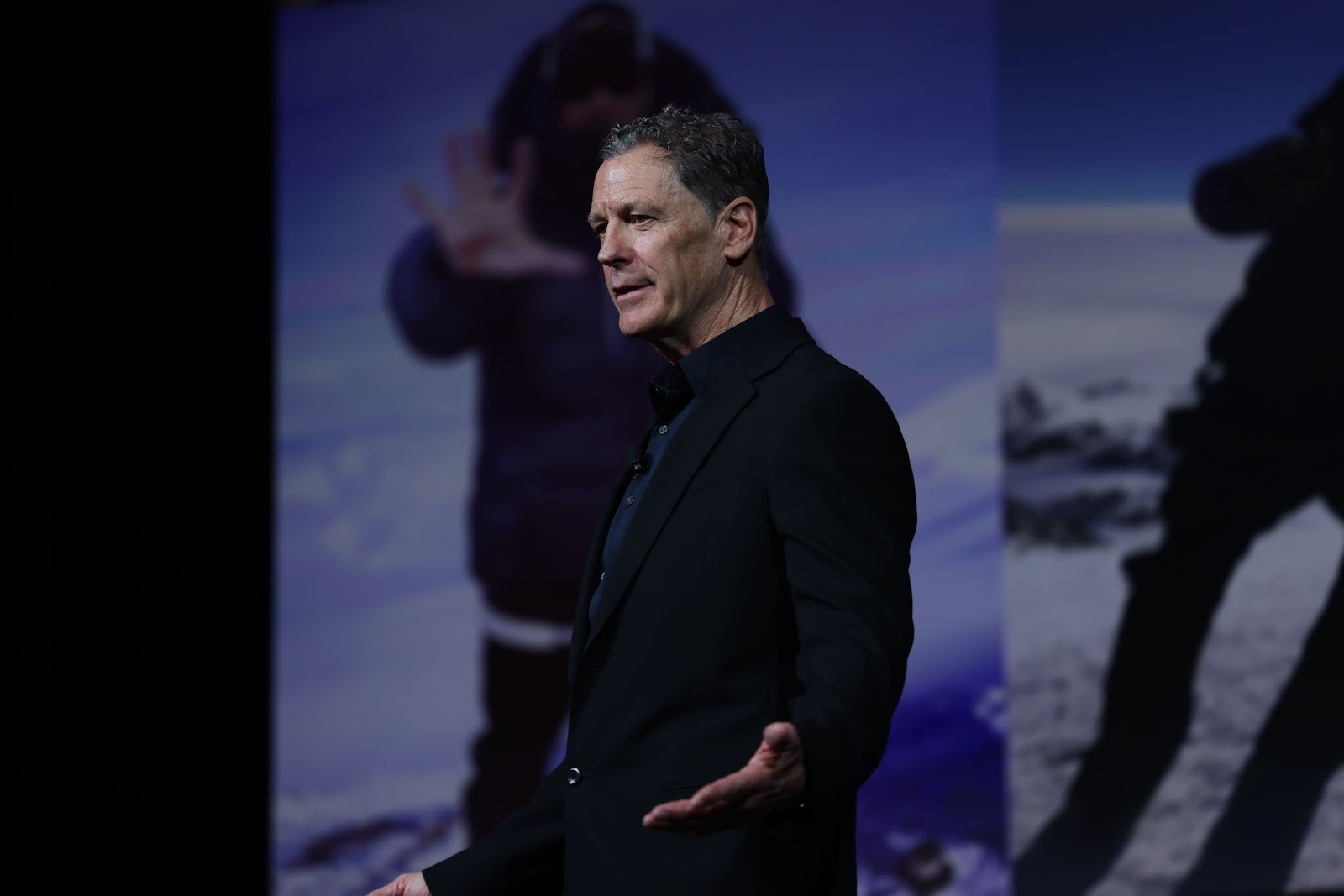
The blueprint for his event came from a tent on Denali while he faced temperatures that froze water bottles solid. Pattison had finished his time with the Raiders, Saints, and Rams. The chaos around his career faded faster than expected. That quiet stretch forced him to rethink how people rebuild momentum after their first round of success. Pattison started writing down the systems he relied on to climb, train, and stay focused when the stakes increased with the altitude.
Those notes eventually shaped the Seven Summits Summit. Pattison limits the event to 150 people so the structure feels personal and the work stays honest. Every part of the curriculum circles back to one idea: if you know your Everest, you can map the climb.
Not Another Inspiration-Heavy Getaway
Pattison has seen enough conferences to know the usual rhythm: motivational highs, quick bursts of excitement, and then the slide back into old patterns. His event steps around the trap. He calls it an implementation summit, and the format reflects the name. He wants people to practice the habits.
Sun Valley plays a central role in that plan. Pattison starts most mornings before sunrise, climbing nearly 3,000 feet on skis before sitting down at his desk. That routine sets the tone for the kind of presence he expects from attendees. Movement sharpens focus, and the schedule is built so people don’t spend the entire day sitting in a chair under fluorescent lighting.
A Lineup Built on Experience
To support the work, Pattison gathered speakers who understand pressure from their own careers. Former NFL quarterback Tom Flick brings decades of leadership coaching shaped by long-term performance. Mariel Hemingway, known for her acting career and mental health advocacy, offers a perspective on the emotional side of ambition and the strain that often comes before a breakthrough.
Shep Rose offers insight into building a public identity while staying grounded, and musician Steve Azar folds in the creative process as a reminder that discipline and imagination often rely on each other. Former Blue Angels pilot John Foley translates high-stakes aviation into lessons about precision and trust.
A System for People Stuck Between Chapters
Pattison created his “What’s Your Everest?” method for people who feel they’ve stalled. Maybe they’re pivoting careers, rethinking relationships, or confronting a season that doesn’t match their earlier momentum.
The summit gives them a structure to rebuild muscle memory for decisive action. Pattison believes the work done today may create a long ripple into the future, especially for people who feel they’ve been circling the same base camp for too long.
Why Pattison Believes This Season Matters
The timeline is deliberate. Pattison sees fall as a reset point, a chance to build the kind of traction that can carry into the next year. Sun Valley, with its sharp edges and open views, becomes a backdrop for clarity. Attendees leave with a plan sturdy enough to hold their weight when the next climb begins.
For Pattison, the summit is a way to pass on the discipline he carried from stadiums to Everest. The climb taught him that reaching the top feels meaningful only when the work to get there has changed you. That’s the experience he wants others to take home with them.