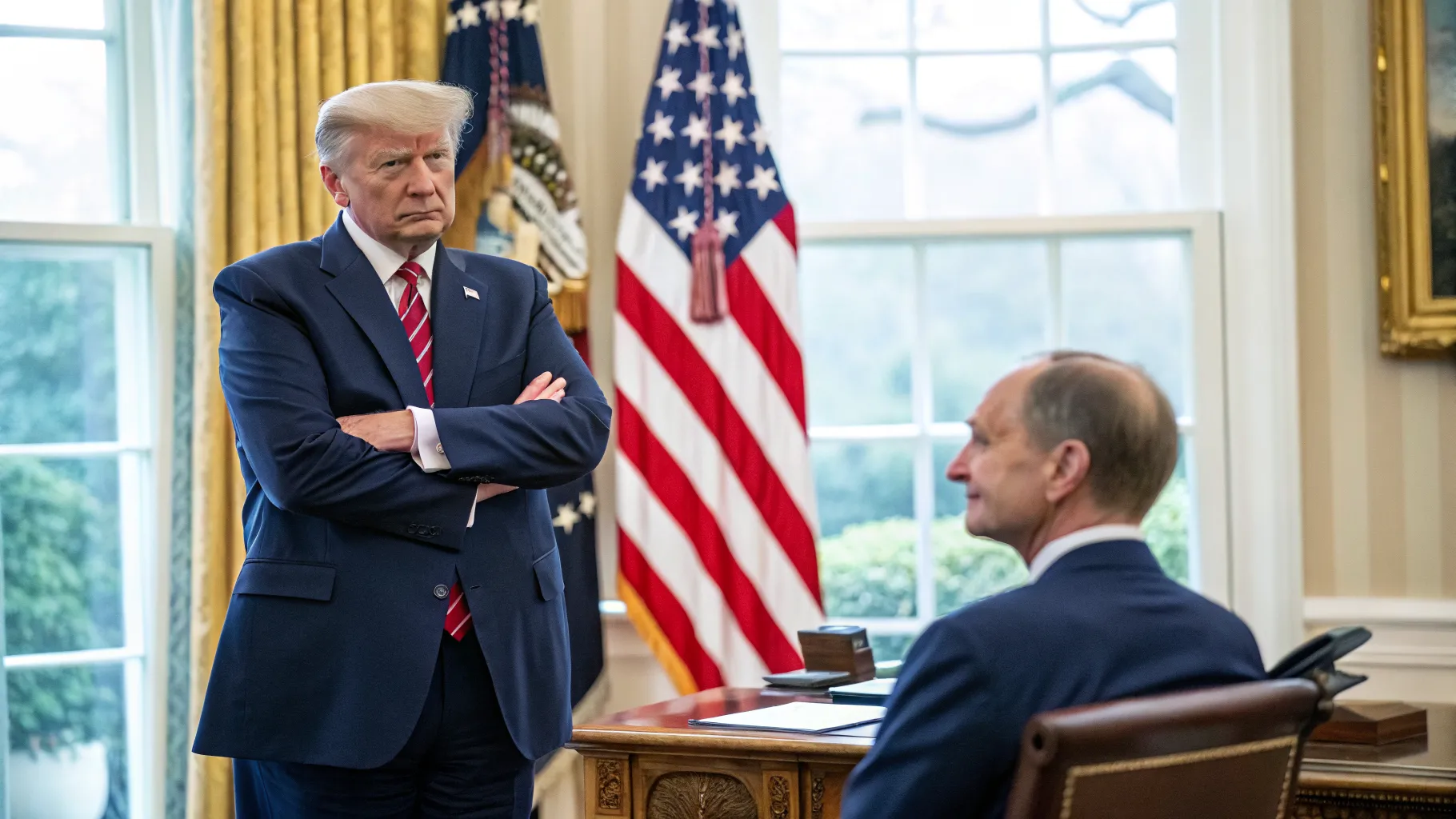
President Donald Trump declared that Iran’s military forces have been “knocked out” after four days of U.S. and Israeli strikes, framing the conflict as “coming along very well” during a joint appearance with visiting German Chancellor Friedrich Merz on Tuesday, March 3, in the Oval Office. The remarks signaled Washington’s confidence in the campaign while raising questions about the next phase of the confrontation and the risk of regional spillover.
Trump’s Assessment From the White House
Standing beside Merz, Trump offered his most sweeping assessment of the fighting to date. He said the strikes had severely degraded Iran’s capabilities and suggested momentum was on the U.S.-Israeli side. He did not provide casualty figures or specify which units or assets were targeted.
“Iran’s military forces have been knocked out,” Trump said, adding that the war was “coming along very well.”
Independent verification of battlefield damage was not immediately available. U.S. officials often avoid disclosing operational details in real time, citing security concerns. Iranian authorities did not immediately release public assessments of losses or remaining capacity.
Germany’s Role and Alliance Dynamics
Merz’s visit highlighted Europe’s effort to stay engaged with Washington as the fighting enters a new phase. While he did not speak publicly about specific targets or timetables during the appearance, the presence of the German leader underscored allied interest in keeping channels open with both Washington and regional partners.
European governments typically balance support for Israel’s security with calls to limit civilian harm and prevent escalation. Berlin, Paris, and London have also urged Iran to restrain proxy forces that have attacked U.S. and allied assets in the past. Diplomats in European capitals are watching for signs that the strikes will lead to a cease-fire push or trigger new reprisals.
Background: Years of Confrontation and Proxy Risks
The United States and Iran have clashed indirectly for years, including maritime incidents in the Gulf, cyber operations, and proxy attacks across the Middle East. Israel has long targeted Iranian-linked weapons transfers and military positions in Syria and elsewhere, aiming to curb Iran’s reach.
Efforts to limit Iran’s nuclear work and its missile program have stalled at various points, leaving sanctions in place and trust low. Each round of violence tends to revive fears of a broader conflict that could draw in militias, strain U.S. bases in the region, and threaten commercial shipping.
What Is Known So Far
Officials have described a four-day wave of strikes by the U.S. and Israel intended to weaken Iran’s ability to project force. Specific locations, units, and damage assessments remain unclear. Media access has been limited, and competing narratives often emerge in the early days of a campaign.
Analysts say three questions will shape the next phase:
- Can Iran restore command-and-control and replenish key systems?
- Will allied strikes expand to deter proxy groups or focus narrowly on core assets?
- How quickly can diplomatic channels reduce the chance of miscalculation?
Regional and Global Stakes
Any sustained conflict with Iran carries risks for global energy flows and maritime security, especially near the Strait of Hormuz. Insurance costs for shipping can rise quickly during periods of uncertainty, and regional stock markets often react to headline risk even before production is disrupted.
Gulf states are monitoring for signs of spillover, including rocket or drone activity near their borders. NATO allies are weighing support measures, intelligence sharing, and crisis planning, even as they urge restraint to keep the fighting contained.
What to Watch Next
Retaliation patterns will offer early clues. If proxy attacks surge against U.S. or Israeli positions, the conflict could broaden and prolong. If strikes taper and diplomatic traffic intensifies, a pause may be possible. Washington will also face pressure to share more evidence to back claims about the extent of Iranian losses.
Key markers in the coming days include:
- Visible changes in Iranian air defense activity and missile launches.
- Reports of proxy mobilization in Iraq, Syria, Lebanon, and Yemen.
- Signals from European and Gulf mediators about de-escalation talks.
Trump’s confident tone suggested the White House sees leverage on the battlefield. But without public, verifiable details, outside analysts will treat sweeping claims with caution. For now, the strikes appear aimed at forcing strategic choices in Tehran while assuring allies. The next steps—on the ground and in back-channel talks—will determine whether the confrontation narrows or widens in the days ahead.