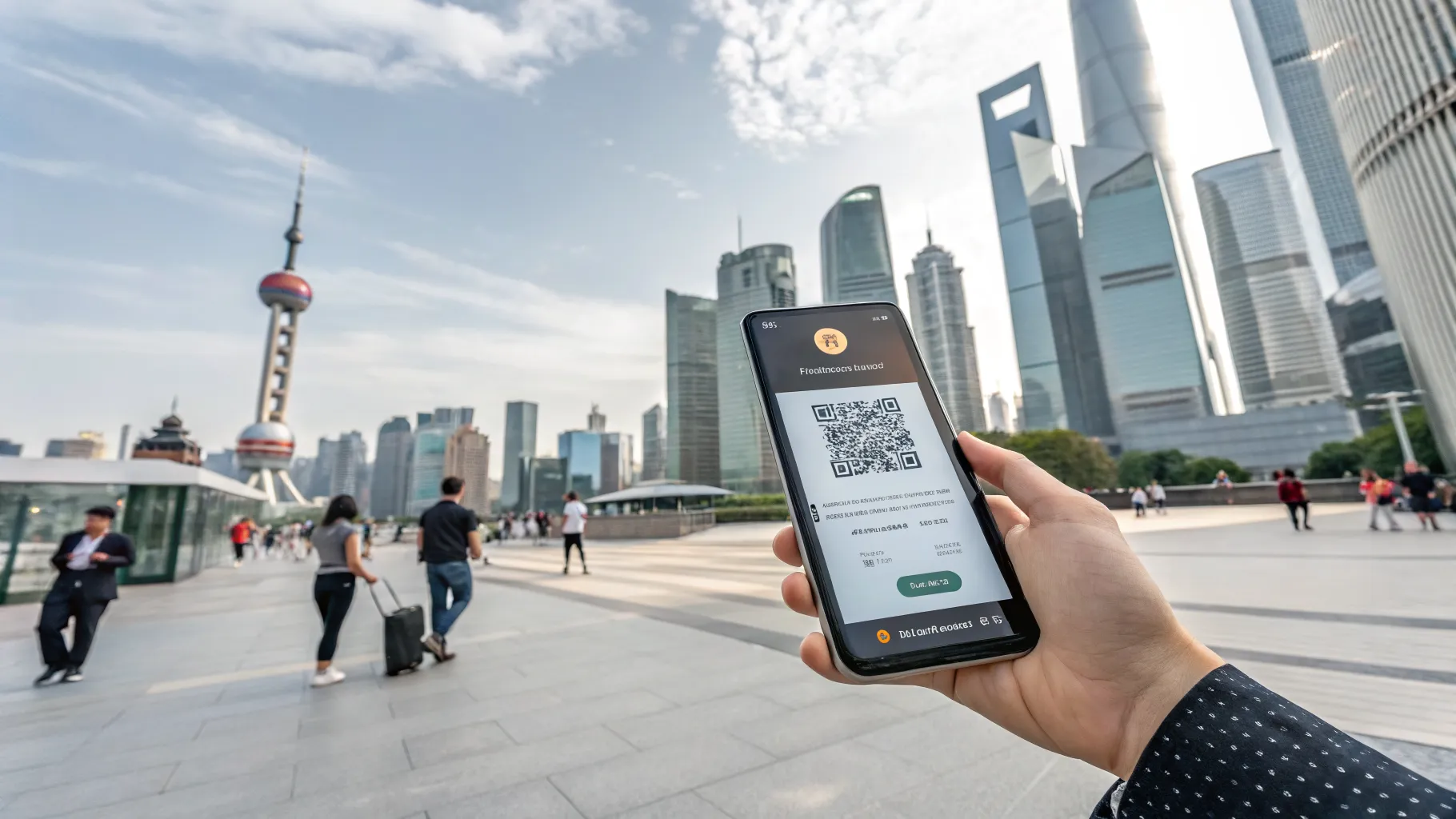
As debates over digital money intensify, Bitcoin’s original premise—direct payments without intermediaries—is back in focus for technologists, investors, and regulators worldwide. First launched in 2009 and built on open-source code, the network runs without a central authority, allowing users to exchange value directly over the internet. Supporters say this peer-to-peer design offers speed, lower barriers, and resilience. Skeptics warn of volatility, uneven consumer protections, and compliance risks that still need answers.
At the heart of the discussion is a simple claim about how the system operates and why it matters for everyday payments and cross-border transfers. Advocates frame it as a shift in how money moves online, while critics question whether that shift can meet legal and consumer standards at scale.
How the Network Works
Bitcoin relies on a decentralized network of computers that validate and record transactions on a public ledger known as the blockchain. There is no central clearinghouse. Instead, nodes share data and reach agreement through software rules and proof-of-work mining.
Conversations around the system often return to its direct-transfer design:
“Bitcoin runs on a P2P network instead of being controlled by the government, a bank, etc. It lets you send value directly to someone else without a middleman.”
Every transaction is broadcast to the network and confirmed by miners, who add blocks of transactions to the chain. The supply of Bitcoin is capped at 21 million, a design choice meant to limit inflation over time.
Why It Matters for Payments
Supporters argue peer-to-peer transfers can help in places with weak banking access or high remittance fees. They also see utility in fast, borderless value transfer, especially during off-hours when traditional systems slow down.
Developers point to scaling tools like the Lightning Network, which move smaller transactions off-chain and settle them later, aiming to reduce fees and wait times. Merchant adoption remains uneven, but payment processors continue to test integrations and pilot programs.
- Speed: Transfers can settle within minutes, depending on network congestion and fees.
- Access: Anyone with internet access and a wallet can participate.
- Control: Users can hold and move funds without permission from intermediaries.
Regulatory and Market Challenges
Authorities in major markets are sharpening rules on custody, taxation, and anti-money-laundering checks. Central banks and securities regulators differ on classifications, which affects how exchanges and wallets operate. Consumer protections vary widely by country, leaving gaps when scams or hacks occur.
Price swings remain a major barrier. Bitcoin’s market has cycled through booms and drawdowns, which complicates its use as a day-to-day medium of exchange. Environmental concerns over mining continue as well, though miners say they are shifting to lower-cost and renewable energy sources in some regions.
Banks and fintech firms are split. Some offer trading or custody services to meet growing demand. Others warn that compliance costs and risk controls limit broad integration with legacy payment rails.
Competing Visions and Use Cases
There is growing interest in stablecoins, which target price stability by linking to reserves like the U.S. dollar. These tokens compete with Bitcoin for fast transfers while offering less volatility. At the same time, central bank digital currency pilots are exploring state-backed digital cash with strict oversight.
For cross-border payments, small businesses and freelancers test Bitcoin for invoices and settlements. The draw is speed and global reach. The challenge is exchange-rate risk and local rules that can change quickly.
What Comes Next
Analysts are watching whether transaction fees stay low enough for everyday use, and whether scaling solutions gain broader adoption. They also track how new regulations shape custody, tax reporting, and consumer disclosures.
If peer-to-peer payments continue to grow, mainstream finance may integrate more blockchain-based rails into existing systems. If not, usage could remain concentrated in trading, savings, and niche cross-border flows.
For now, the original claim still drives the debate about digital money’s direction and design:
“It lets you send value directly to someone else without a middleman.”
That idea keeps supporters building, pushes critics to test assumptions, and forces policymakers to weigh openness against oversight. The next phase will hinge on clear rules, better user protections, and whether the technology can scale while holding to its core principles.