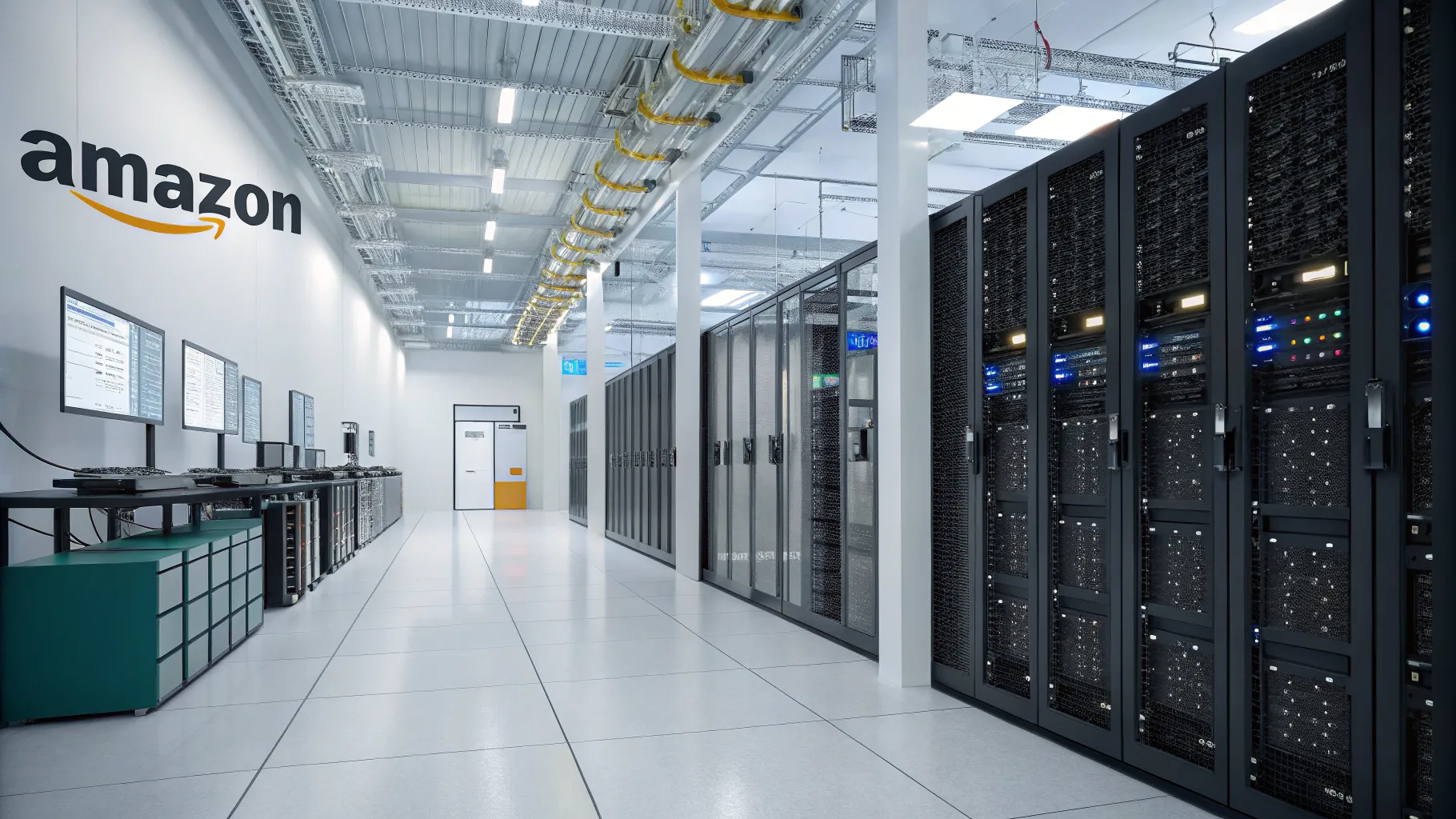
Amazon is pouring money into artificial intelligence and new data centers, unnerving parts of Wall Street even as demand for cloud services rises. The Seattle company’s push aims to keep Amazon Web Services ahead in a race shaped by generative AI workloads and larger models that require more computing power.
Investors are watching cash flow and margins as capital expenses climb. Supporters argue the strategy is a necessary step to meet customer needs and protect market share in cloud computing. The debate comes as businesses shift more work to the cloud and test AI in customer service, software development, and data analysis.
Investor Concerns Over Heavy Spending
Amazon’s capex is rising as it builds data centers, orders AI chips, and expands networking capacity. That spending can weigh on near-term profits, a key reason some shareholders are cautious. The concern is simple: higher investment today may delay returns, especially if enterprise AI adoption takes longer than hoped.
Market watchers point to sensitivity around the cost and timing of AI projects across tech. Customers are also pushing vendors to show clear returns on AI pilots before signing larger deals. That makes the revenue ramp hard to predict, even for a leader like AWS.
Why Backers Say It’s the Right Bet
“Amazon’s aggressive AI investments are spooking investors — but one analyst believes they’re necessary for the company to fulfill accelerating cloud demand.”
Supporters say AI workloads are different from traditional cloud uses and require far more compute, memory, and power. If AWS cannot supply that scale quickly, customers may shift new projects to rivals. The stakes are high because AI contracts can be sticky once a model and toolchain are deployed.
Amazon has paired spending with product moves. The company has rolled out managed generative AI services, expanded its own silicon for training and inference, and deepened ties with model providers. Those steps aim to lower costs for customers and keep them inside AWS.
What Amazon Is Building
- Custom chips for training and inference to cut costs and improve performance.
- More data centers and power capacity to handle large AI clusters.
- Managed services for building, tuning, and deploying generative AI models.
- Strategic investments in model developers to secure access and align roadmaps.
The company’s bet is that scale and integration will matter as enterprises move from pilots to production. Cheaper inference, reliable uptime, and strong security are top buyer priorities. Owning more of the stack can help on all three.
Competitive and Industry Impact
Rivals are also ramping capital spending to support AI. That means the race is not only about features but also about who can deliver capacity at the right price. Cloud buyers benefit in the short term from more options and falling unit costs. Over time, the winners may be those with the best economics on AI compute and the broadest toolsets.
For enterprises, the bigger question is value. Leaders want proof that AI improves productivity, reduces support times, or speeds software delivery. If results are clear, budgets will follow. If not, pilots could stall, leaving excess capacity across the sector.
Signals to Watch
Several indicators will show whether Amazon’s strategy is paying off. Bookings for AI-related workloads should trend higher. Utilization of new AI clusters must remain strong. Customers should expand from small proofs of concept to larger, multi-year deals. Any move in pricing that lowers inference costs without cutting margins would also support the case for continued spending.
Public filings and earnings updates can show how capex mixes between fulfillment, general cloud growth, and AI-specific infrastructure. Investors will look for signs that free cash flow is holding up even as data center projects scale.
Amazon’s plan carries real risk, but the cost of underbuilding may be higher if demand for AI compute continues to climb. For now, the company is choosing scale and speed over short-term comfort. The next few quarters will test whether rising AI workloads translate into steadier revenue, firmer margins in AWS, and calmer nerves among shareholders.