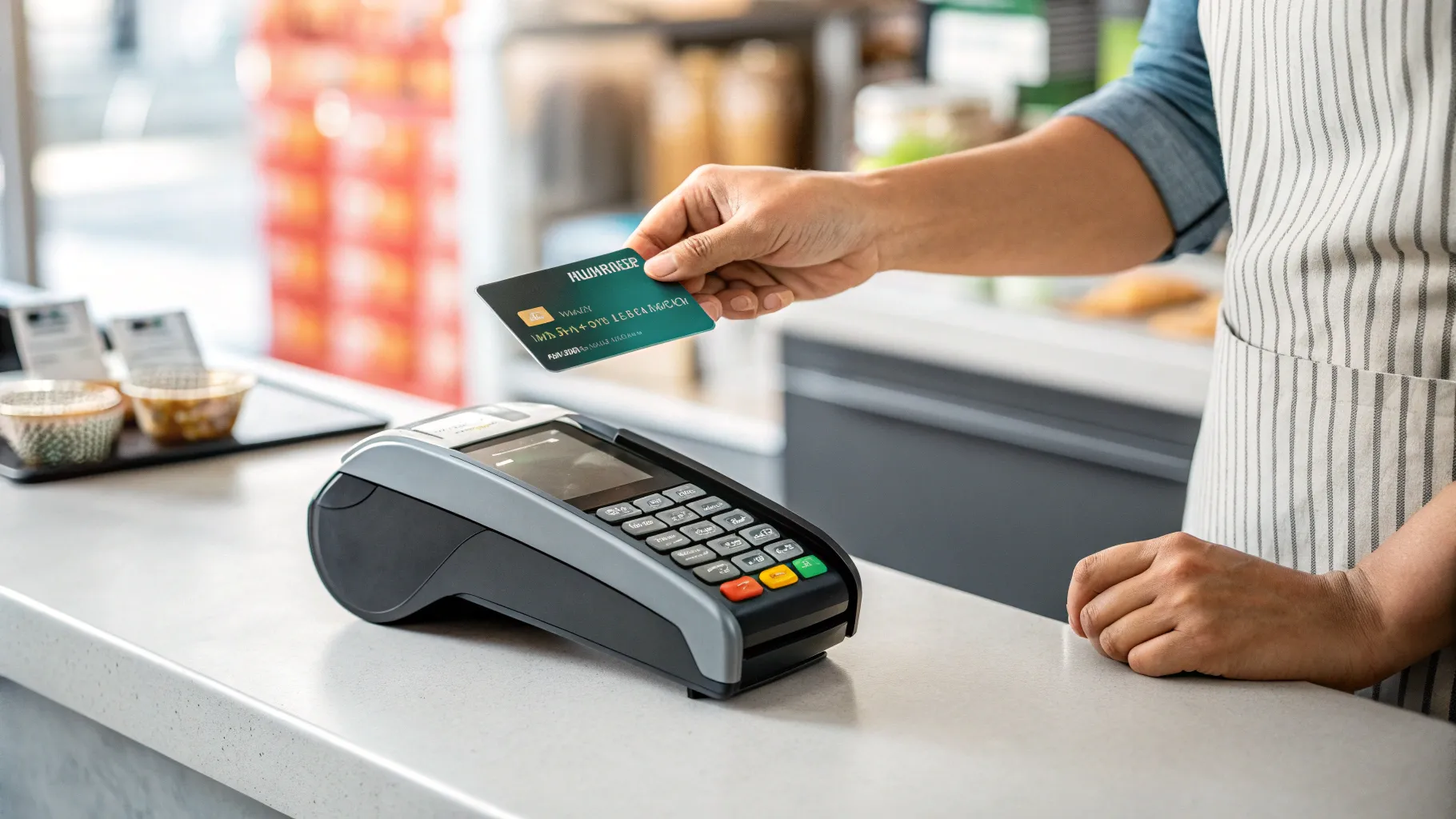
Card issuers have been told they can decide whether to allow unlimited payments on contactless cards, a shift that could reshape everyday spending. The guidance, shared this week with industry participants, signals a move from fixed caps to risk-based choices by providers. It arrives as merchants and consumers seek faster checkouts and fewer interruptions.
The change places more discretion with banks and card companies, which already manage contactless risk through fraud controls. It could mean higher limits for some users, or no set limit at all, depending on the provider. Consumer groups and security experts are watching closely as firms balance convenience with fraud prevention.
“Card providers can decide whether to offer unlimited payments on contactless cards.”
Why Contactless Limits Exist
Contactless cards became common after the last decade’s shift to tap-to-pay. Many markets introduced per-transaction caps to reduce fraud on lost or stolen cards. Some also required a PIN after a number of taps or after reaching a total spend threshold.
These measures aimed to stop thieves from making a long series of small purchases. During the pandemic, limits rose in several countries to support touch-free payments and faster queues. In the UK, for example, the limit moved to £100 in 2021. Similar trends appeared across Europe and parts of Asia-Pacific.
What Changes Now
The new guidance gives providers latitude to set their own contactless policies. That could include removing caps for some cards, keeping current limits, or applying dynamic controls based on live risk signals.
- Some issuers may lift limits for low-risk customers.
- Others could keep caps but reduce how often PIN checks occur.
- High-risk scenarios may trigger more verification, not less.
Issuers already use analytics to spot unusual spend. That may expand if caps rise. Providers can also require a PIN, step-up verification, or decline a tap if activity looks suspicious.
Security Versus Convenience
Banks face a trade-off. Lower friction drives usage and customer satisfaction. But it can also increase fraud exposure if protections lag. Fraud losses tied to card-present tap payments are generally lower than online fraud, yet small-value fraud can add up if unchecked.
Merchants favor faster throughput. Shorter queues can lift sales, especially in grocery, transit, and quick-service dining. Consumer advocates warn that unlimited taps might make losses worse after a theft, unless card blocks and alerts are fast and easy.
“The question is not only the limit, but how quickly a customer can lock a card and how well the issuer detects misuse,” said one payments risk specialist in the discussion.
How Providers Could Implement It
Industry executives discussed several approaches that keep convenience while controlling risk. None are mutually exclusive, and most build on tools already in use.
- Tiering: offer higher or no caps to customers with strong histories.
- Dynamic limits: adjust in real time based on location, spend patterns, and device signals.
- Stronger alerts: push notifications on every tap with one-tap card locking.
- Transit and micro-payments: keep fast flows, but add random PIN checks.
Wearables and mobile wallets may also play a role. They add device-level security like biometrics and tokenization, which can cut risk compared with a plastic card alone. Providers could apply different rules to phones, watches, and physical cards.
What It Means for Consumers and Merchants
Shoppers could see fewer interruptions at checkout if their issuer adopts higher limits or removes them. Some may not notice changes at all if their bank keeps current settings. The experience will likely vary by card brand and issuer.
Merchants may benefit from faster lines and fewer abandoned baskets. But staff training will matter, especially if PIN prompts become less predictable. Refunds and chargeback handling will remain important as policies diverge across providers.
What to Watch Next
The timeline for changes rests with individual issuers. Expect gradual moves and controlled pilots before any large rollout. Regulators and industry bodies will monitor fraud rates and consumer outcomes. Public updates on losses and customer complaints will shape future policy.
For now, the headline is clear: issuers get to choose their own path on contactless limits. The winners will be firms that raise convenience without raising fraud. Consumers should check their bank’s policy, enable spend alerts, and keep card locking tools handy.
The shift could make tap-to-pay even more common in daily life. If security controls keep pace, faster checkout may become the standard, not the exception. Watch for issuer announcements in the coming months and for merchants to update signage and staff guidance as policies change.