The professional cleaning industry is experiencing strong demand and fast growth. Several owners explain how they launched with little money, scaled to six and even seven figures, and built systems that run from anywhere. Their stories highlight what works, what to avoid, and how someone new can reach meaningful income without heavy equipment or storefront costs.
Why This Market Is Surging
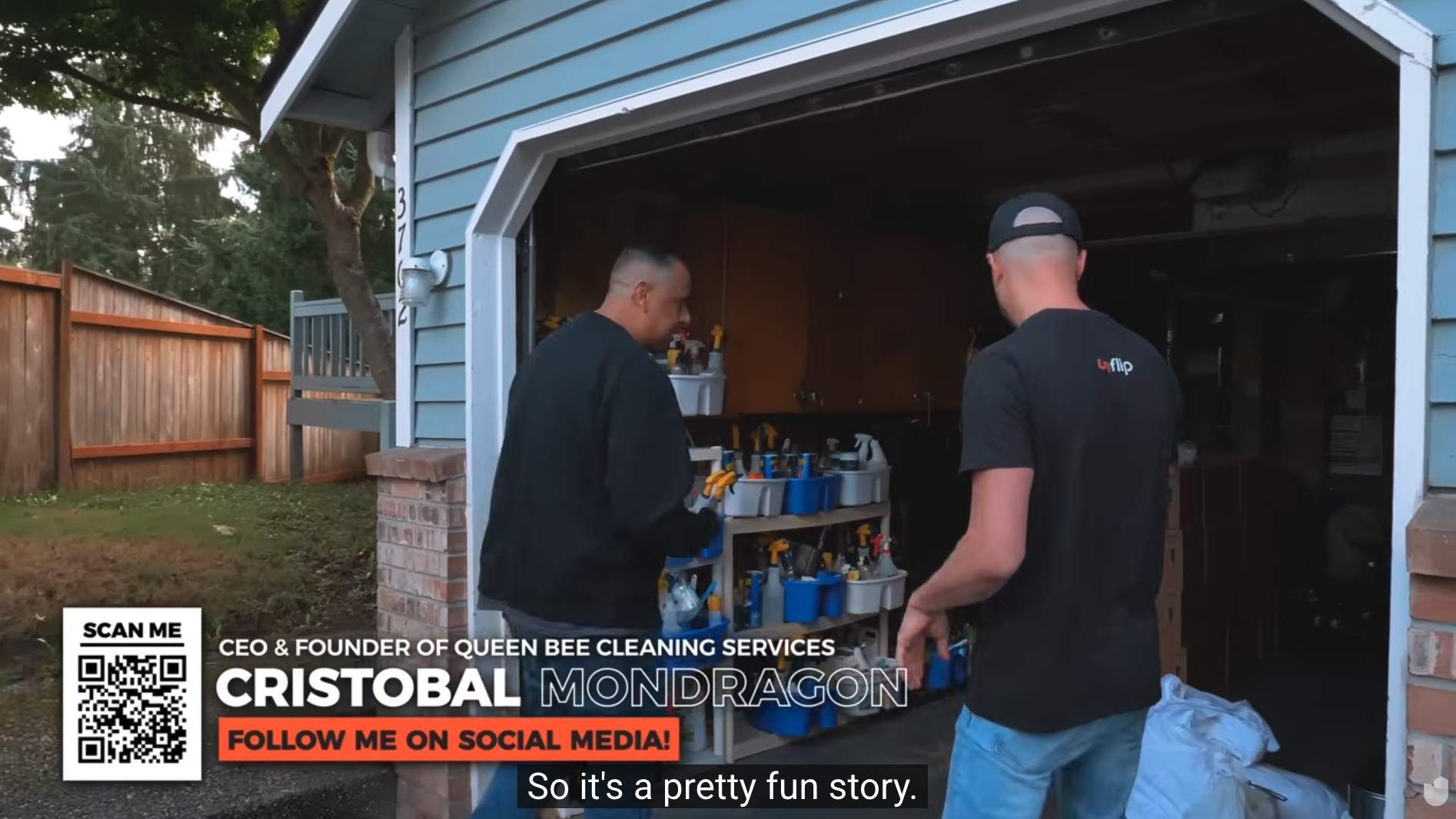
Owners across different cities report steep revenue growth and a steady stream of new clients. Chris, who runs Queen Bee Cleaning Services, doubled monthly revenue from about $60,000 to around $120,000 within a year. Austin, the CEO of Spruce Cleaning and Spruce Home, said revenue has been growing 18% to 25% per month after focused investments in digital presence and ad spend. Neil, founder of MadeThis, reports $100,000 to $150,000 per month in his Los Angeles location alone after 10 years of steady refinement.
They credit both demand and operations. Projections suggest most homeowners will rely on cleaning help in the near future. With many households prioritizing time and convenience, recurring services are becoming a norm, not a luxury. That recurring nature makes early marketing spend especially valuable. The client that hires a team this month often stays for years with the right follow-up and service.
Small Starts, Big Numbers
These founders began with modest budgets and simple tools. Neil spent under $1,000 to start. He bought a basic WordPress theme, put up a first draft site, and learned by trial and error. Chris invested about $5,000, including $4,000 for a used Honda Accord, $500 for a professional vacuum, and a few hundred for supplies and flyers. Austin built Spruce with a few hundred dollars and added spend only after he validated what worked.
The money went further because the model stayed lean. There were no retail leases or warehouse stock to maintain. Teams drove straight to jobs, and management happened via phone, laptop, and cloud apps. That approach allowed quick pivots, fast testing, and lower risk as they grew.
The Remote Local Model Explained
Neil describes the “remote local” model as a smarter way to run a home service business from anywhere. It rests on three rules:
- Field staff go directly to job sites. No daily reporting to a central office.
- Minimal fixed overhead. Avoid large facilities or heavy equipment.
- Key management tasks can happen offsite. Sales calls, quotes, dispatch, and support run through cloud systems and trained remote staff.
With these rules, tasks like picking up calls, quoting services, and scheduling cleaners get routed to virtual teams. Neil runs phone sales through staff in South Africa. Chris routes calls through virtual assistants in the Philippines. Team chat happens in apps like Slack. Phone systems like RingCentral or Dialpad forward calls and track missed calls. Jobber handles scheduling, checklists, and invoicing. The result is a local service that behaves like an online business.
Answer Every Call: The Simple Advantage
Across all interviews, one rule came up again and again: pick up the phone. Many competitors do not answer in real time, and that creates a simple edge. Neil shared numbers that make the point. If his team answers on the first rings, the close rate lands around 50% to 60%. If they miss the call and phone back minutes later, the close rate sinks to about 16.5%.
Because of that, they built a system for speed. Calls route to trained reps during the local business day. Missed calls trigger fast automated texts that guide prospects to book online or request a quote. The team follows up again by phone and text. That rhythm is the difference between a one-time inquiry and a same-day paying customer.
Pricing That Sells and Protects Margin
Pricing starts with the local market. Chris called nearby competitors, gathered quotes for typical homes, and adjusted his own rates from there. He underpriced his first job at $90 and learned the hard way. After testing, he charged more and teed up value in every conversation.
A sales habit also pushes buyers toward recurring plans. Neil’s team avoids asking, “Do you want a one-time cleaning?” Instead, they ask if a customer prefers weekly, bi-weekly, or monthly. Many customers choose one of those options by default. One-time cleanings still exist, but the first framing points to a long-term plan. Over time, recurring clients lift the average lifetime value and smooth out cash flow.
“Here’s a tip which has made us millions of dollars. Notice I did not ask if you wanted a one-time service. I asked weekly, bi-weekly, or monthly.” – Neil
Margins vary by maturity and mix of services. Austin reports Spruce Cleaning averages between $100,000 and $115,000 per month with margins around the mid-forties for that segment, due to tight operations and strong pricing on high-value work. Neil quotes profit margins around 25% at his stage, which he notes is within industry norms for a remote-managed local model. Labor is the largest expense at roughly 60% for Chris, with supplies and marketing taking most of the rest. Net margins of 15% to 25% are common after a business stabilizes.
Airbnb Turnovers and Add-On Services
Vacation rental turnovers became a profitable niche for Chris. He moved beyond basic cleaning to a near “co-host” service. His team handles laundry, restocking, and unit checks. They document damages with photos before cleaning, and they report issues to owners who often live out of state or overseas.
The money is in the full package. Cleaning alone has thin margins. When a provider charges a percentage of the unit’s gross revenue, profits climb and the service becomes sticky. Chris charges 10% to 20% of gross as a management fee for some clients. For turnovers, a typical two-to-four-bedroom unit might pay $250 to $500 per visit, including laundry coordination and supplies. A three-person crew often spends three to four hours on a larger unit. In peak seasons, the same property can require service several times a week, which drives reliable volume.
Three operational tips make this more viable:
- Avoid doing laundry on site whenever possible. Drop laundry at a professional service and pass through a per‑pound fee, with a small margin for coordination.
- Specialize in larger units. Those properties rent for higher nightly rates and can afford better turnover fees.
- Act as the owner’s local “eyes and ears.” Document issues, send photos, handle small fixes, and coordinate vendors.
Marketing That Actually Produces Sales
The owners separate marketing into two broad buckets: capturing demand and creating demand. Capturing demand means showing up where active buyers are already searching. Creating demand means nudging prospects who are not yet shopping but could be persuaded with timely offers or reminders.
Capturing Demand
They focus on a small set of high-yield channels rather than everything at once.
- Google Ads and Google Local Services. These leads tend to be ready to hire. Chris spends about $4,000 per month here and calls it his primary driver.
- Yelp Ads. Austin says Yelp has become his single strongest channel. He spends under $3,000 per month and can generate six figures in revenue from that alone, thanks to strong placement and reputation.
- Facebook Ads. A smaller slice of spend can fill gaps or target certain neighborhoods.
Several tactics lift results:
- Upload new project photos every week. Use keyword-rich captions that match how customers search, such as “deep house cleaning.” Both Yelp and Google read captions for local SEO context.
- Add a simple “page deal” on Yelp. When a customer buys the deal and later reviews the company, the platform links the activity and the review tends to stick.
- Disclose baseline prices in Craigslist posts to filter out price-only shoppers. This ensures incoming calls are qualified and ready to book.
Creating Demand
Once a client books, the team sets up recurring reminders and neighborhood outreach to trigger future work. Neil’s “five rounds” method sends flyers or postcards to the five homes around each new customer. The company also mails a welcome postcard to the client and puts them on email and text drip campaigns with one‑month, three‑month, six‑month, nine‑month, and annual reminders, lasting up to two years.
Text marketing shines during slow months. Chris sends short, time‑bound offers to a list of past leads and clients. He sees open rates near 90% and a steady flow of quick bookings when schedules thin out in winter.
Spend Levels and Returns
Austin recommends new operators spend more on marketing in year one, often 15% to 20% of revenue. Because this is a recurring business, a strong first year builds a base that pays off later. As a company matures, total spend can drift down to about 5% while still producing growth.
Owners monitor what channels produce booked jobs, not just clicks. They track cost per call on Google Local Services, maintain strong Yelp placement, and measure conversion by how fast their team answers. The best channel is the one that delivers real bookings at a cost the business can support every month.
Follow-Up Systems and Automations
Success often comes down to follow-up. Neil showed a booking form that “gamifies” the process and increases completion rates. Every lead then enters an automated dashboard. The system sends quote follow-ups by email and text and prompts sales reps to call at key intervals. It also requests reviews after each visit and makes it easy for customers to leave feedback with a single click.
Key tools mentioned include Slack for internal communication, RingCentral or Dialpad for phones, Jobber for scheduling and checklists, and GoHighLevel as the marketing CRM. The CRM holds every lead, not just paying customers, and the team segments lists for targeted campaigns. During slow periods, a single mass text to canceled clients and old inquiries can fill the week’s calendar.
Winning Sales on the Phone
Phone calls are where high lifetime value starts. Neil teaches a script used by his team and franchisees.
- Build rapport and ask for the caller’s name.
- Clarify the job, restating the customer’s priorities to show you listened.
- Present options as weekly, bi-weekly, or monthly. Skip the one-time option in your first framing.
- Quote the first deep clean and explain what makes the service safe and reliable.
- Answer price objections by emphasizing peace of mind, screened cleaners, and clear guarantees, not just a race to the bottom.
He also ties cleaners’ bonuses to reviews. If the cleaner politely requests a review and the company makes leaving one simple, review volume climbs and ranking improves across platforms.
“What you are really paying for with us is peace of mind. If anything is missed, we send someone for a free reclean.” – Neil
Hiring, Training, and Retention
Finding reliable cleaners is the hardest part of scaling. The owners use a steady recruiting engine rather than one-off hiring pushes.
- Source across ZipRecruiter, Craigslist, and Facebook groups. Keep ads running year-round so there is always a pipeline.
- Use a multi‑step funnel to test reliability, communication, and attitude. Start with a phone screening, then a scheduled Zoom call, then a paid test job, then onboarding.
- Track steps and scores in a simple dashboard, like Trello, to standardize decisions.
Austin pushes pay quickly for proven performers and offers clear advancement. Spruce starts cleaners around the low‑twenties per hour and moves them up within a month if they meet standards. Chris pays $22 to $25 per hour for top cleaners and more for drivers who use their own vehicles.
Retention comes from culture as much as pay. Owners celebrate birthdays, host weekend outings, and treat staff with respect. Several say the owner’s job is to serve the team. If the team is happy, clients feel it. If the team is not, the business will struggle no matter how many leads arrive.
Scheduling, Checklists, and Quality Guarantees
Systemization turns chaos into scale. Jobber or similar tools handle routing, checklists, and messages. Cleaners cannot close out a job in the app until each checklist item is complete. That cuts misses and callbacks.
Chris’s workflow is typical. The office quotes by phone, collects a card on file, and places the job on a route based on zip code. The cleaner accepts the job in the app. After the visit, the client gets a review request. The next day, office staff calls to confirm satisfaction and offer recurring service.
A clear guarantee helps win new clients. If anything is missed, teams return for a free reclean within a short window. That offer reduces risk for a first-time buyer and turns price comparisons into value comparisons.
Seasonality, Disputes, and Reputation
Most cleaning businesses slow down in winter. Owners use text promotions to keep crews busy and prevent turnover. Modest short-term discounts protect the team’s income while keeping calendars full.
Disputes happen. The owners advise staying calm, listening, and offering a fair fix. That could be a partial credit, a reclean, or a small add-on at no cost. If a client becomes abusive or unreasonable, it is often best to disengage rather than fuel a public argument.
Respond to every review, good or bad, in a professional tone. Prospects look at how the business handles feedback. A calm, solution-focused response can turn a tough moment into a trust builder.
The Road to a Million in Revenue
Austin and Chris outlined a realistic path to seven figures without heavy capital:
- Launch a simple website now and improve it often. Do not overspend on a fancy build at the start.
- Pick two or three ad channels. For cleaning, Google Local Services and Yelp are strong. Add Facebook or SEO once the basics work.
- Scale hiring deliberately. Add one reliable cleaner each month in the early phase. Increase the pace only when demand and systems support it.
- Track calls, answer fast, and manage every lead in a CRM with text and email follow-ups.
- Protect quality. Reviews and word of mouth will magnify both strengths and weaknesses.
Legal and brand basics also matter. Owners warn against skipping trademarks and formal setup. One almost lost his brand name during a franchise expansion because he delayed trademarking. Clean paperwork and a clear company structure save money and stress later.
Mindset, Speed, and the Freedom Number
Several owners left stable office jobs because they wanted control of their time. Neil’s personal “freedom number” was $3,000 per month. Once his business passed that mark, he left his job, traveled, and tripled revenue during his first year on the road. He admits he should have bet on himself earlier. Many first-time owners keep one foot in and one foot out for too long. Reinvesting profits early, trusting proven playbooks, and getting help from mentors can shave years off the journey.
“Someone less wise than you has probably already done what you want. Find the guide, trust the process, and get moving.” – Neil
Common Reasons New Cleaners Stall
Too few customers is the main issue. Many new owners rely on referrals and occasional social posts and hope for steady work. That is risky. A consistent ad budget and a system to answer and convert calls will do more than a thousand flyers without follow-up.
Growing too fast without systems is another trap. Rapid bookings feel great until quality slips, calls go unanswered, and reviews drop. Put checklists, routing, and scripts in place first. Add automations for follow-ups and reviews. Then hit the gas.
A Look Inside The Numbers
Numbers vary by market, but the interviews offer a snapshot of performance and spending:
- Queen Bee: Grew from about $60,000 to around $120,000 per month in revenue, with labor near 60% of expenses and supplies and marketing splitting much of the rest. Net in the 15% to 20% range at scale.
- Spruce Cleaning: Averages $100,000 to $115,000 per month, with strong margins due to high placement on Yelp and consistent inbound volume. Grew 18% to 25% month over month after improving web pages, ads, and time on site metrics.
- MadeThis LA: $100,000 to $150,000 per month, about 25% profit margin at this stage. Industry ranges typically run from the low teens to around 30% for remote‑managed local models.
Marketing spend varies. Austin spends roughly 5% of revenue now. He suggests 15% to 20% in year one for faster base building. Chris spends about $4,000 on Google, around $750 on Yelp, and about $1,000 on Facebook in a typical month. Austin focuses most of his paid spend on Yelp and Google and avoids channels that do not fit how cleaning buyers shop.
Hiring Channels and Onboarding at Scale
To build capacity, owners staff an internal recruiting function. During a recent expansion, Spruce added 20 cleaners in two months with an “assembly line” approach. One person manages job posts, screens applicants, and moves them into structured training. New hires shadow, follow checklists, and are fully ready within a week. The team does not pause ads; recruiting is always on.
ZipRecruiter, Craigslist, and Facebook groups drive the best candidates for some operators. Indeed costs more in some markets and can produce fewer applicants. Results vary by city, so track spend and cost per quality hire and shift dollars to the best return.
Quality, Reviews, and Simple Promises
Make reviews easy and personal. An automated text after each job asks for a quick thumbs-up or thumbs-down. It then links to the appropriate review page. Cleaners ask for reviews on site, and the company rewards them for each one collected. This keeps momentum strong and motivates the field team to deliver five-star service every time.
Back the work with a clear reclean promise. That gives first-time buyers confidence to try the service at a fair price rather than hunt for the lowest bid. Over time, the company wins on reliability and care, not a bargain rate that leaves no profit for training and staff pay.
From Side Hustle To Strong Business
Chris, Austin, and Neil prove what is possible with a low-cost start and disciplined execution. They stripped out overhead, answered every lead fast, and focused on recurring value. Each built a team that can run operations while the owner works on growth.
For anyone considering this path, the steps are clear. Set up a simple site. Choose two strong ad channels. Build scripts and follow-up automations. Hire with a repeatable process and protect your culture. Track every call. Mail and message customers for months after each job. Stay on top of reviews and protect your reputation. The model is not complicated, but it rewards consistency and care.
That combination is how a small cleaning business can move from its first bookings to $100,000 a month and beyond. The plan is proven. The work is steady. The edge comes from speed, quality, and a system that never forgets to follow up.
Frequently Asked Questions
Q: How much money is needed to launch a basic cleaning operation?
Many owners started with $300 to $1,000. A simple website, a phone system, basic supplies, and a way to accept payment are enough to begin. Buy only what you need for the first jobs and upgrade as revenue grows.
Q: Which advertising channels tend to produce the fastest bookings?
Google Local Services and Yelp often bring the most ready-to-buy leads. Upload new photos weekly with keyword-rich captions, answer calls on the first rings, and use follow-up texts to capture missed callers. Track spend against actual bookings, not clicks.
Q: How can a small team compete with larger cleaning companies?
Answer the phone every time, sell recurring plans, and use checklists for consistency. Automate follow-ups, request reviews after each job, and send five-rounds mailers around each new customer. Reliable service and strong reviews beat size.
Q: What is the best way to handle slow seasons without losing staff?
Use text promotions to fill gaps during winter months. Offer short-term deals to past clients and warm leads. Keep teams working, protect culture, and be ready when peak season returns.