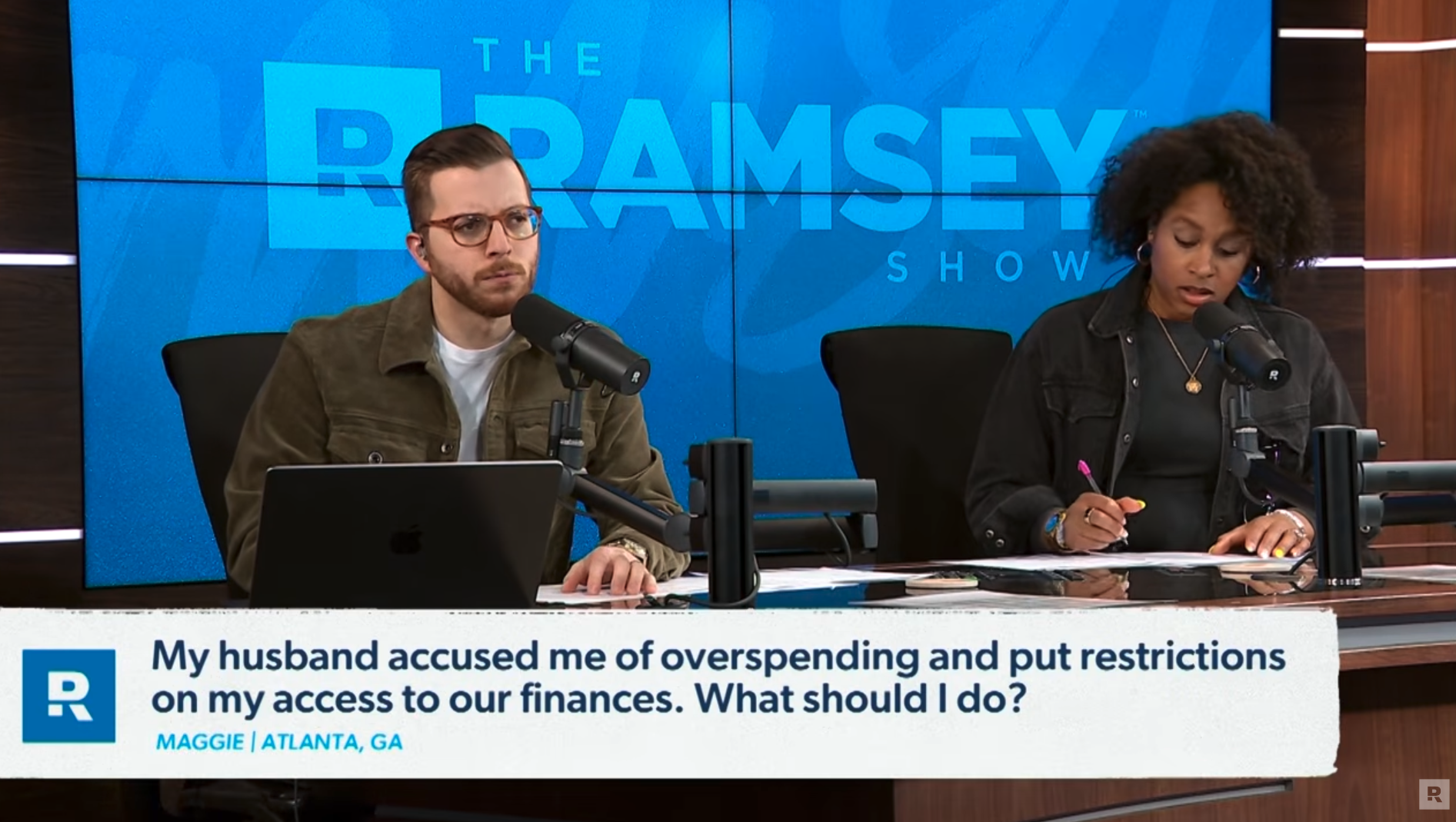
Some people call it budgeting. I call it what it is: control. After listening to a caller describe how her husband hid accounts, cut off access, and threatened her credit, I can’t stay neutral. Financial secrecy inside a marriage is not strategy. It’s abuse. And it puts kids and the household at risk.
Dave Ramsey’s team didn’t mince words. Neither will I. Money management in a healthy marriage requires joint access, joint decision-making, and clear visibility. When one spouse withholds these, the problem isn’t math. It’s power.
The Real Issue Isn’t Money; It’s Control
Financial transparency is a baseline, not a bonus. When one partner unilaterally reduces income to the family account, hides savings, and directs the other to rack up debt in their own name, that is not leadership. It’s coercion.
“This guy is 100% controlling and that’s 100% a financially abusive situation.”
That blunt assessment, shared on air, reflects a core Ramsey principle I agree with: budgets are tools you build together. If you’re not both looking at the same accounts, you don’t have a budget; You have a leash.
“There are no hidden accounts. There’s no mine and hers… That is a healthy marriage.”
Hear that standard. Then measure your home against it. If your spouse hides accounts or blocks your view, the trust is already broken.
What Healthy Looks Like And What It Doesn’t
Ramsey’s crew pressed two themes that I think every couple needs posted on the fridge.
- Equal access: Both names on accounts, both partners able to view balances and transactions anytime.
- Equal voice: Big money moves require agreement, not orders delivered by text.
- No secret debt: Pushing a spouse to open a card “just in their name” while controlling the budget is a trap.
- Safety first: If control escalates, prioritize personal and child safety over the other spouse’s comfort.
These aren’t “nice-to-haves.” They are minimums for a secure home. If they’re missing, the risk is immediate and practical: late bills, damaged credit, unpaid medical costs, and zero margin in a crisis.
Practical Moves That Protect You
Protecting yourself is not disloyalty. It’s wisdom when the situation is unsafe or unstable.
- Get a debit card tied to any account with your name on it. Visit the bank in person and request access today.
- Secure your own emergency funds if transparency is refused. You need a cushion for basic needs.
- Document everything: texts about money, blocked access, hidden accounts, and directives to use debt.
- Set firm boundaries: no secret accounts, no unilateral cuts to family funds, no threats about credit.
- Call for counseling. If your spouse refuses, go alone and build a plan for safety and stability.
These steps are not about “winning.” They’re about keeping a roof over your head and food in the pantry while you work on deeper issues.
Facing the Hard Pushback
Some will argue that a single breadwinner should steer the ship. I reject that. Leadership without transparency is control. Control breeds secrecy. Secrecy breeds fear. And fear is no way to run a family.
“I would demand transparency. I would demand that you have equal access to the money and that you have an equal vote in this marriage.”
Faith and hope matter. But as one host warned, hope is not a financial plan. Waiting for a sudden change while accounts stay hidden and threats mount is a gamble you can’t afford. Your safety, and your children’s stability, come first.
The Bottom Line
Budgets built in the dark are not budgets. They’re weapons. If you’re being cut off from accounts, pushed into debt, or threatened over credit, name it. It’s financial abuse. Demand equal access, insist on counseling, and put safety plans in place now. That’s not disobedience; It’s stewardship.
Take action today: secure access to your accounts, set up a simple written budget you both can see, and schedule counseling. If your spouse refuses transparency, protect yourself and your kids. Your future depends on it.
Frequently Asked Questions
Q: How do I know if a spouse’s money control is abuse or “just budgeting”?
If you don’t have full visibility, equal say, and access to spend for household needs, that’s control, not budgeting. Hidden accounts and threats about credit are red flags.
Q: What should I do first if I’m blocked from funds?
Go to the bank for a debit card on any account in your name, document the situation, and set aside emergency cash. Then seek counseling and legal guidance if needed.
Q: Is it okay to open my own account for gift money or savings?
Yes, if transparency is being denied and you feel unsafe. Protecting basic needs is reasonable while you work toward a healthier structure or prepare to leave an unsafe one.
Q: What if my spouse refuses counseling or transparency?
Attend counseling alone, create a safety and financial plan, and set firm boundaries. If nothing changes, prioritize the well-being of you and your children over keeping the status quo.