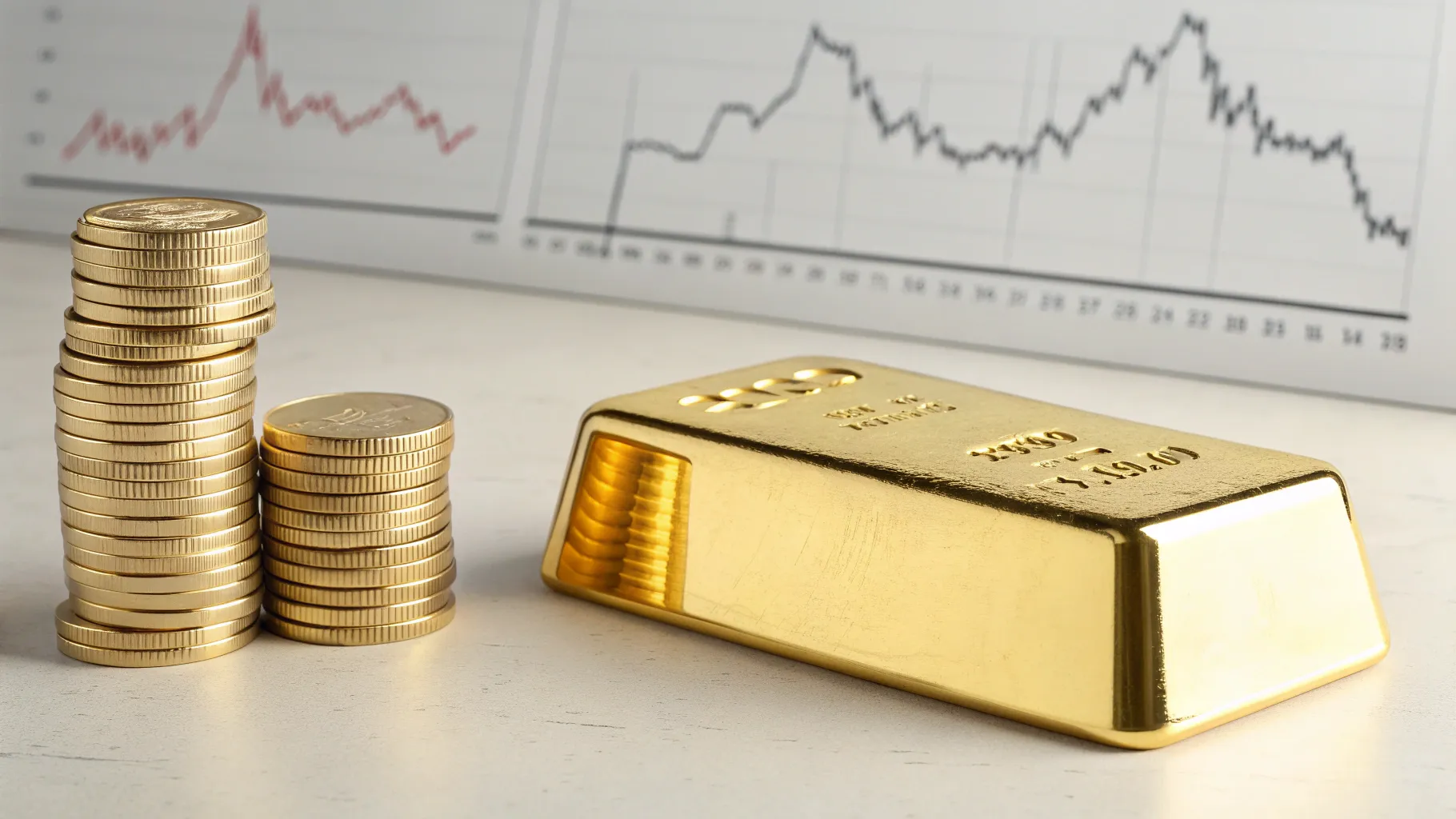
Gold is back in focus as investors judge whether the metal can still shield portfolios from rising prices. Traders are watching price moves and real yields to gauge how well it is holding up this week. The question is pressing for savers facing higher living costs and for policymakers tracking inflation expectations.
The metal’s role as an inflation hedge is a long-running debate. It tends to draw demand when the dollar softens or when bond yields, adjusted for inflation, fall. But the link is not always consistent over short periods. That leaves investors examining fresh signals for guidance.
Why Inflation Matters For Gold
“Trends in gold prices could indicate whether the asset can protect against inflation.”
Gold has no coupon or dividend. Its appeal often rises when cash and bonds look less attractive in real terms. When inflation runs above policy rates, the opportunity cost of holding gold drops. That can drive bids for bullion, coins, and exchange-traded funds.
History shows a mixed picture. Gold surged in the 1970s as inflation jumped and real rates fell. It lagged for much of the 1980s and 1990s when inflation cooled and real yields were higher. In the 2000s and during the early 2020s, periods of low real yields and policy uncertainty helped fuel new highs.
Signals From Markets
Several markers help explain day-to-day moves:
- Real yields: Falling inflation-adjusted Treasury yields often lift gold.
- U.S. dollar: A weaker dollar can support prices by making gold cheaper in other currencies.
- Inflation data: Hotter consumer price readings can spark safe-haven buying.
- ETF flows: Inflows into gold funds signal rising investor interest; outflows signal the opposite.
- Central bank activity: Official sector buying has been strong in recent years, tightening supply.
- Geopolitical risk: Tensions or conflict can raise demand for perceived safe assets.
Central banks have been a steady source of demand since 2022, according to the World Gold Council, which reported record or near-record annual purchases around 1,000 metric tons in both 2022 and 2023. That support has helped offset periods of outflows from Western ETFs when yields climbed.
What History Shows
Over long stretches, gold has tended to keep pace with inflation. Since the metal was freed from the dollar peg in the 1970s, its nominal return has often exceeded consumer price increases. Yet over shorter horizons, the correlation with inflation can be low. Investors can face long drawdowns if they buy during peaks driven by fear.
Case studies underline the point. During the 1979–1980 spike, prices soared but then fell as interest rates rose sharply. In 2011–2015, gold slid while inflation stayed subdued and the dollar gained. In 2020–2021, prices rose with aggressive stimulus and low real yields, then wobbled when central banks moved to raise rates.
This pattern suggests the metal tracks inflation most reliably when it coincides with falling real yields and currency weakness. If inflation rises but policy tightens faster, gold’s response can be muted.
Investor Playbook And Risks
For households and institutions, gold is one tool among many for guarding purchasing power. Diversification matters. Some use a mix of bullion, ETFs, and mining shares, often alongside Treasury Inflation-Protected Securities.
Key risks include policy surprises, a stronger dollar, and rising real rates. Supply from recycling and mine output can also weigh on prices if demand fades. On the positive side, persistent central bank buying and renewed ETF inflows could support the market if inflation proves sticky.
Analysts also watch positioning in futures markets for signs of crowded trades. A sharp unwind can amplify swings, even when the long-term case is intact.
What To Watch Next
Upcoming inflation prints, guidance from major central banks, and moves in the 10-year Treasury’s real yield will set the tone. Currency trends and any shift in official sector purchases are also in focus. If real yields drift lower and the dollar softens, gold’s hedge role could strengthen. If policy tightens further and growth holds, the metal may struggle to add gains.
For now, the metal’s value as an inflation shield depends on the balance of those forces. Investors weighing exposure should track macro signals closely and size positions with patience. The next data releases will offer a clearer test of gold’s staying power as prices adjust to the inflation path ahead.