Van life, RV travel, overlanding, and digital nomadism are no longer fringe lifestyles—they’re fast becoming a mainstream way of working and living. More people are choosing the road not just for weekends, but as a full-time base for work, creativity, and exploration.
Yet as mobility increases, so does a shared anxiety: energy uncertainty. Laptops, fridges, cameras, drones, routers, induction cooktops—modern mobile living depends on reliable power. And for many travelers, energy planning has become the single biggest bottleneck, dictating routes, parking choices, and daily schedules.
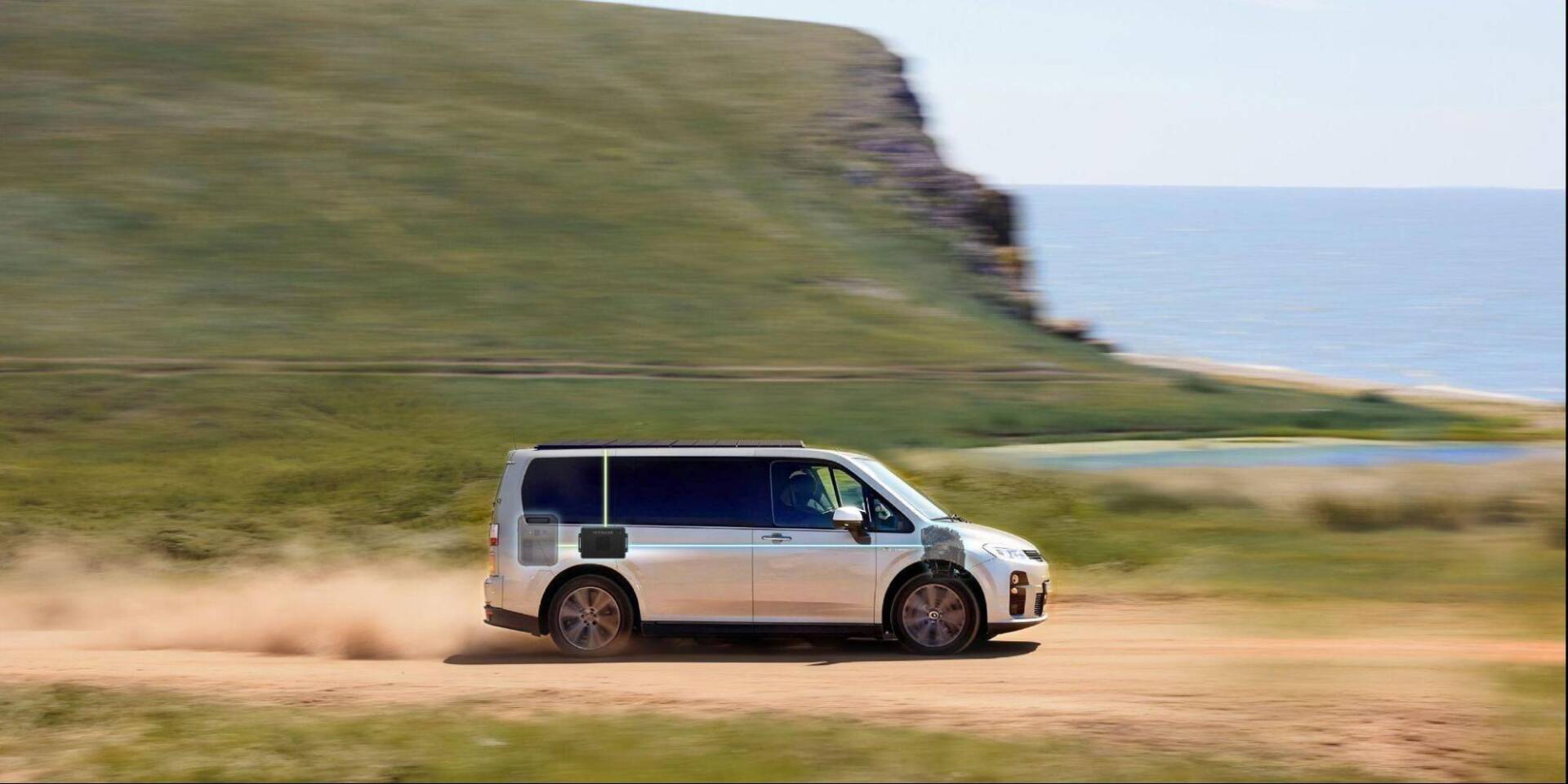
The irony is that vehicles already generate energy every time they move. The challenge has never been access—it’s been inefficient systems.
Founded in 2009, BLUETTI has spent the past 16 years steadily expanding beyond its origins as a portable power brand. What began with compact, off-grid solutions has grown into a global clean-energy technology company, now serving more than 4 million users across over 110 countries. Its portfolio spans everything from lightweight power stations for everyday mobility to comprehensive whole-home backup systems designed for long-term resilience.
What sets BLUETTI apart is not simply the breadth of its products, but the way they are conceived—as parts of a larger energy system. Guided by a mission to make clean energy more accessible and to enable genuine energy independence, the company has continued to invest in proprietary research and development, introducing a series of industry-first innovations along the way. Beyond technology, BLUETTI’s work extends into global partnerships with nonprofit organizations, reinforcing a broader commitment to sustainability, disaster preparedness, and energy resilience at both individual and community scales.
For years, mobile power users have faced two major limitations. First is the 12V bottleneck. Standard cigarette lighter ports max out around 100W—comparable to filling a swimming pool with a soda straw. Even during a four-hour drive, charging a 1kWh battery can take over 10 hours, rendering driving time largely wasted from an energy perspective. Second is the either-or compromise. Travelers had to choose between: Solar charging while parked, or Alternator charging while driving.
Combining both usually meant installing expensive, complex, and often proprietary systems—frequently requiring professional mechanics, custom wiring, and manual switching. Flexibility came at the cost of time, money, and reliability.
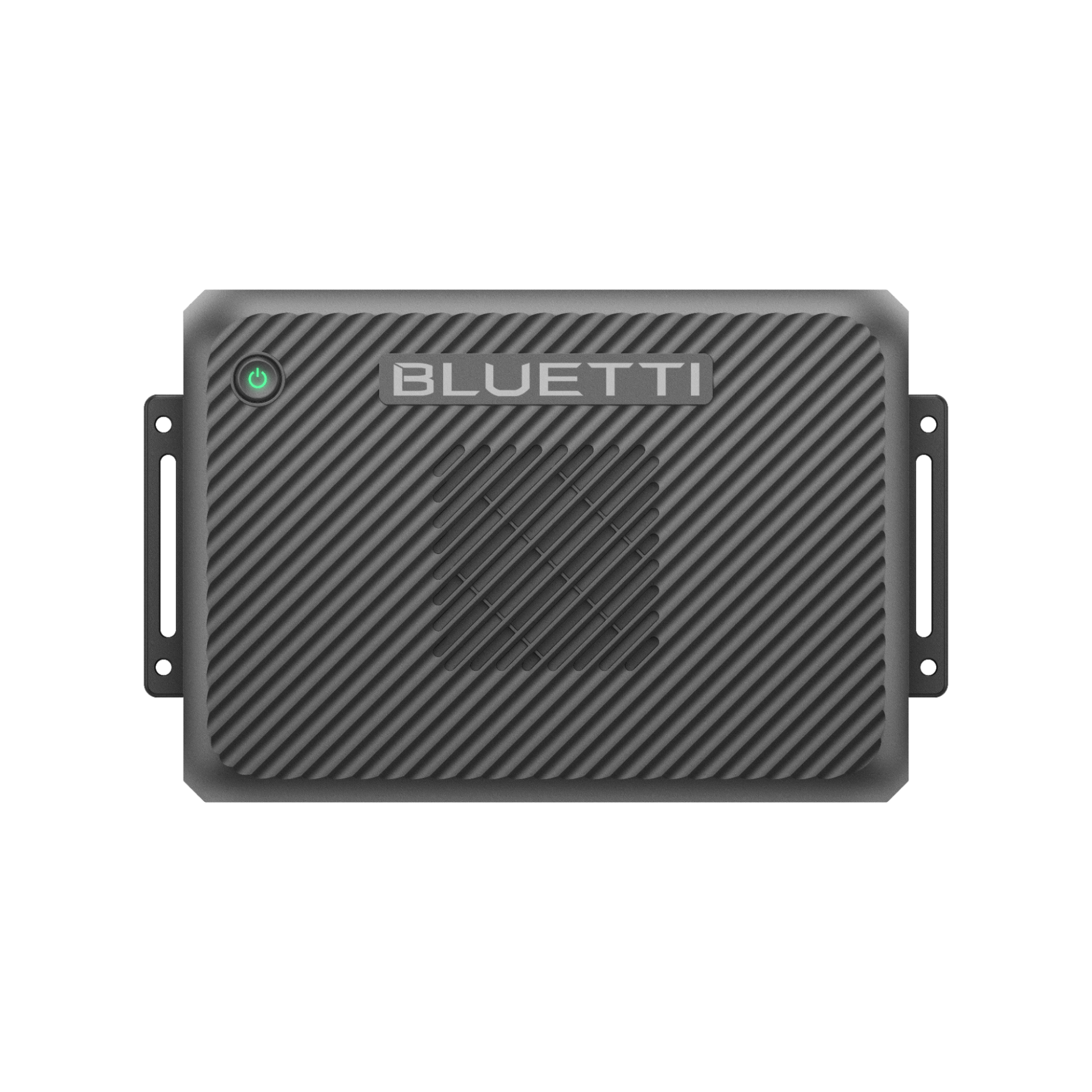
BLUETTI’s Charger 2 addresses these constraints at the system level. Designed as the industry’s first Unified Car & Solar Smart Energy Hub, it allows users to charge from solar panels and the vehicle’s alternator simultaneously, without rewiring the entire setup.
By combining dual inputs, Charger 2 delivers up to 1,200W of charging power—up to 13 times faster than traditional car chargers. In real terms, a 1kWh battery can be charged in under an hour while driving.
More importantly, Charger 2 eliminates the need to switch between power sources. Its unified architecture automatically manages energy from driving and solar, turning the vehicle into a consistent, high-speed generator—whether on the highway or parked off-grid.
Unlike many proprietary vehicle-charging systems, Charger 2 is designed to work with 95% of portable power stations and smart alternators on the market, not just BLUETTI devices. This universality allows users to upgrade their charging speed without replacing their entire power setup—saving both cost and complexity.
Installation is deliberately simple. Charger 2 is built for plug-and-play integration, removing the need for professional mechanics or custom electrical work. For users upgrading from earlier systems, the transition is seamless, requiring minimal rewiring.
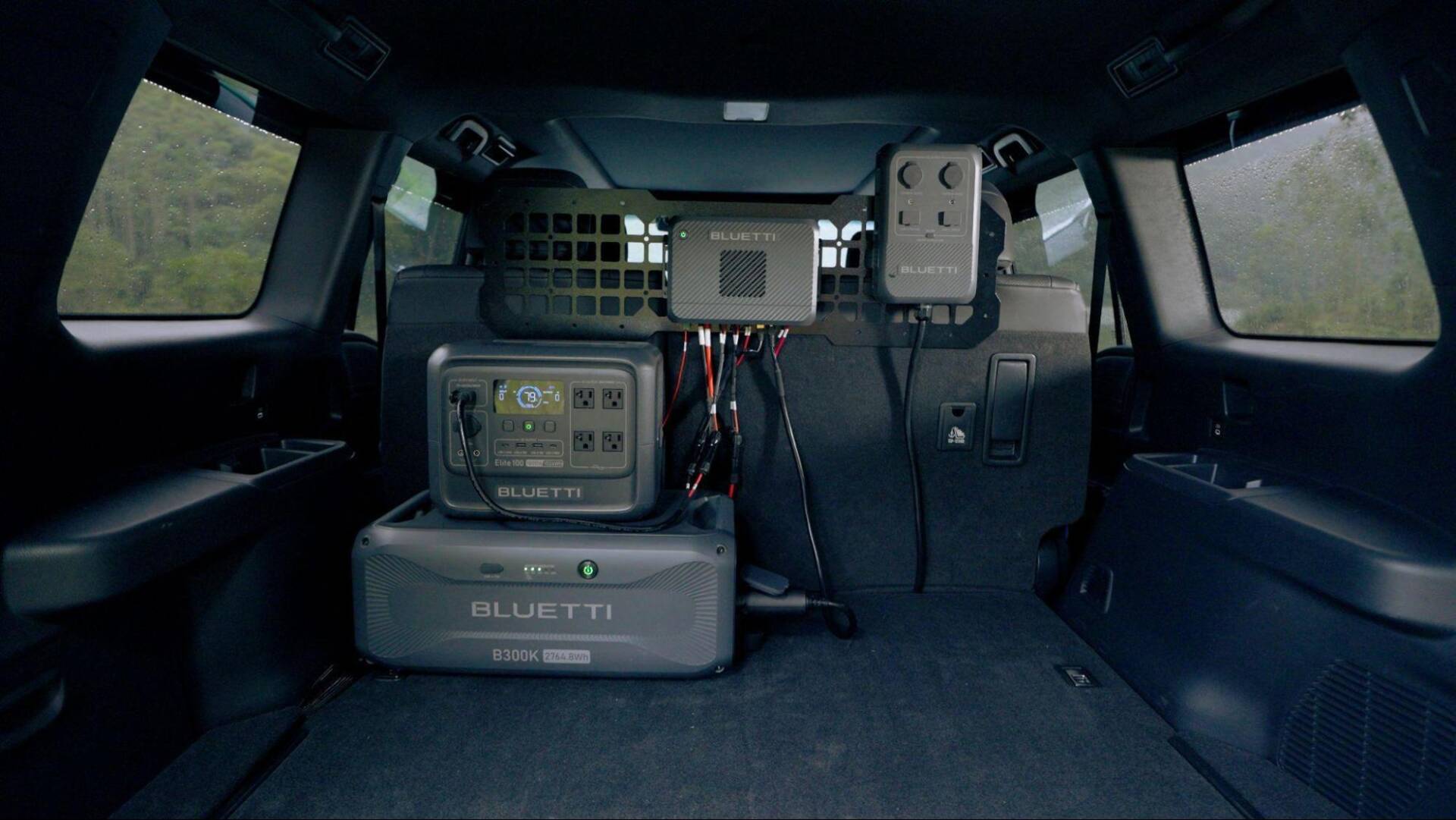
Beyond speed, Charger 2 introduces what BLUETTI calls a true smart hub architecture. It integrates the starter battery, solar input, storage battery, and DC loads into a single system—eliminating the manual switching and wiring headaches commonly associated with traditional DC-DC setups.
For mobile professionals, this means fewer failure points and more predictable power behavior. For full-time travelers, it means less system babysitting and more time actually living on the road.
Charger 2 also functions as a safety net. It includes three reverse-charging modes that allow users to charge the vehicle’s starter battery from a connected power station:
- Emergency jump-start capability
- Trickle charging to maintain battery health
- Pulse maintenance to improve battery recovery and lifespan
Whether in a van, truck, or RV, this feature can be the difference between a minor delay and being stranded miles from assistance. As mobile lifestyles become more demanding and more permanent, energy systems must evolve from accessories into infrastructure. Charger 2 represents that shift—not as another charger, but as a central energy manager for life on the move.
By removing speed limits, eliminating system compromises, and simplifying integration, BLUETTI isn’t just solving a charging problem. It’s redefining how mobile energy works—turning every drive into an opportunity for true energy independence.