Fresh unease over Labour’s direction has surfaced as some grassroots voices describe Andy Burnham’s perceived leadership positioning as divisive, while others rally behind Keir Starmer’s authority. The debate reflects deeper questions about unity and strategy inside the party, and whether internal briefings and speculation are distracting from policy and service to voters.
At the heart of the discussion is a dispute over motive and timing. Supporters of the Labour leadership say public loyalty matters. Critics worry that mixed signals about future leadership ambitions risk fracturing support and dulling the party’s message. The tension is not new for Labour, which has wrestled with identity and control through successive leadership eras.
Background: A Party With Long-Running Strains
Labour has a history of public arguments over leadership and policy. Previous periods saw members split over Europe, spending, and internal rules. That legacy casts a shadow over today’s concerns about discipline and message control.
Andy Burnham, the Mayor of Greater Manchester, is one of Labour’s most visible figures outside Westminster. His national profile has long prompted speculation about future ambitions. Keir Starmer, as party leader, has pushed a message of stability, competence, and readiness to govern, aiming to avoid old patterns of open conflict.
Those cross-currents have now surfaced in local conversations, where activists weigh the cost of leadership talk against the need for a clear, steady programme.
Grassroots Voices: Frustration and Support
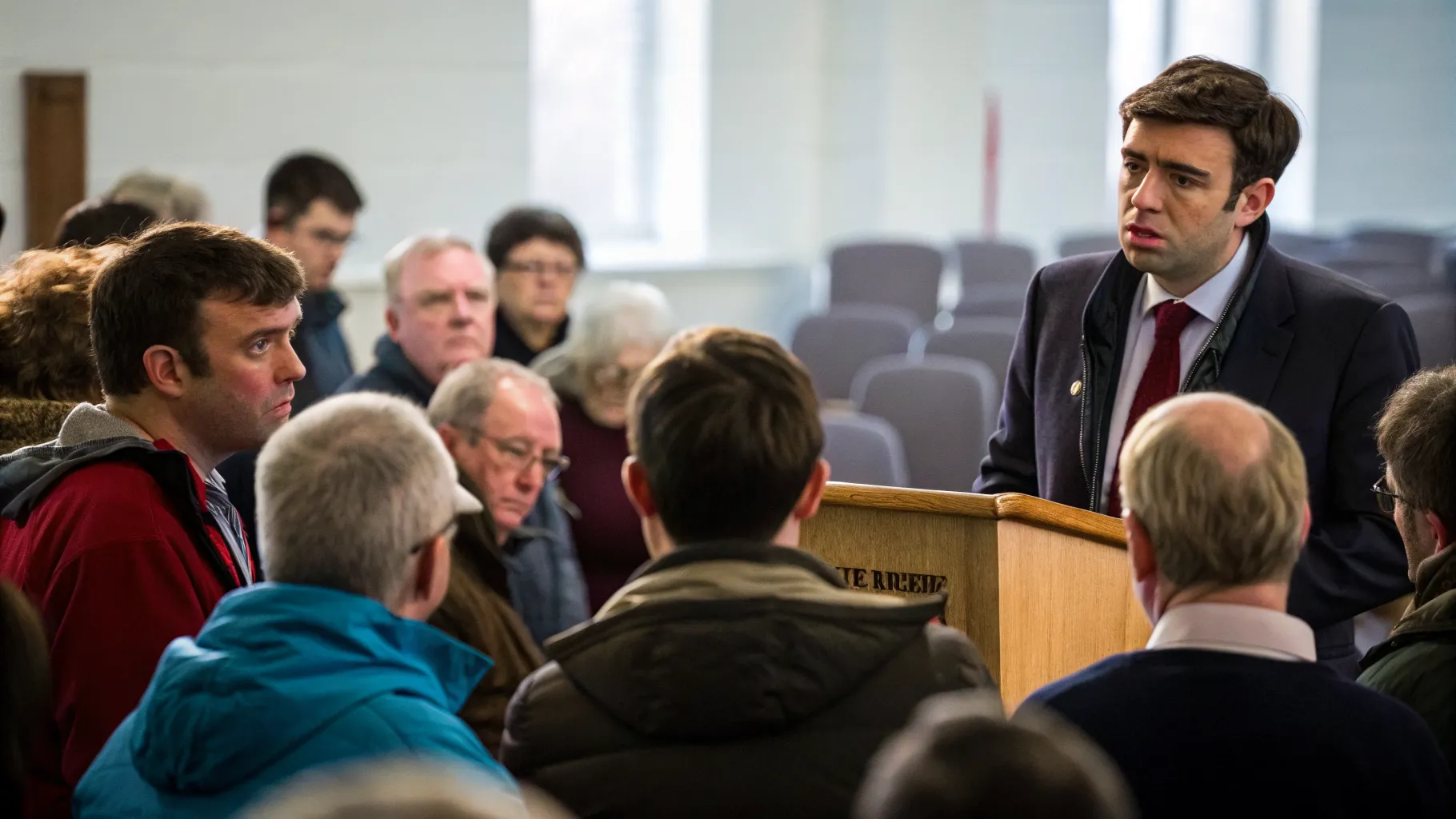
“Our community sees Andy Burnham’s supposed leadership manoeuvres as divisive.”
The complaint reflects a fear that public hints or perceived positioning—real or imagined—can overshadow policy. Some participants said leadership chatter shifts focus away from living costs, the NHS, local transport, and crime, areas where they expect fast, practical answers.
Others reject the idea that criticism should be silenced. They argue that pressure from outside Westminster can keep leaders responsive to members and voters in the regions.
“While some defended Keir Starmer’s authority, others questioned Labour’s overall direction and unity.”
Defenders of Starmer say strong leadership needs clarity and discipline. Skeptics counter that without open debate, the party risks drifting into safe but thin policy offers that fail to inspire turnout.
What Is at Stake for Labour
Internal disagreement carries practical risks. It can feed headlines about division, muddy the message, and give opponents an easy attack line. Campaigners say they want one clear pitch on economic security, public services, and standards in public life.
But pressure on the leadership can also sharpen plans. Regional leaders such as mayors often act as early testers of policies on transport, housing, and policing. If used constructively, that dynamic can add depth to the national platform.
- Risk: public rows dominate coverage and weaken trust.
- Benefit: diverse voices can refine policy and execution.
Reading the Signals: Ambition or Misread?
Some activists interpret media chatter about Burnham as overblown. They say political rivals and commentators often amplify minor signals into full-blown challenges. Others think repeated speculation suggests a real contest of ideas and priorities just under the surface.
In this view, any hint of leadership testing is destabilizing. It invites stories about rifts and forces the leader’s team to spend time managing narratives rather than campaigning.
Paths to Reassurance
Several party figures and members urge a short list of steps to calm nerves. They want clearer public alignment between national and regional leaders, a shared set of messages on core policy, and a timetable for policy rollouts so activists know what they are selling on doorsteps.
They also call for private channels to handle disputes. That would keep disagreements out of the spotlight while allowing frank discussion about priorities and tactics.
What to Watch Next
Attention now turns to upcoming speeches, policy announcements, and joint appearances by senior figures. Coordinated events could signal unity and purpose. Mixed messages would fuel more talk of factions and personal ambition.
For many members, the test is simple: does the party speak with one voice on economic security, the NHS, and standards in public office? If yes, internal noise may fade. If not, leadership speculation will linger and could erode public confidence.
The current debate shows a party balancing regional strength and national control. Whether it turns into a productive policy contest or a distracting feud will depend on how leading figures handle the next set of choices, both on stage and behind closed doors.