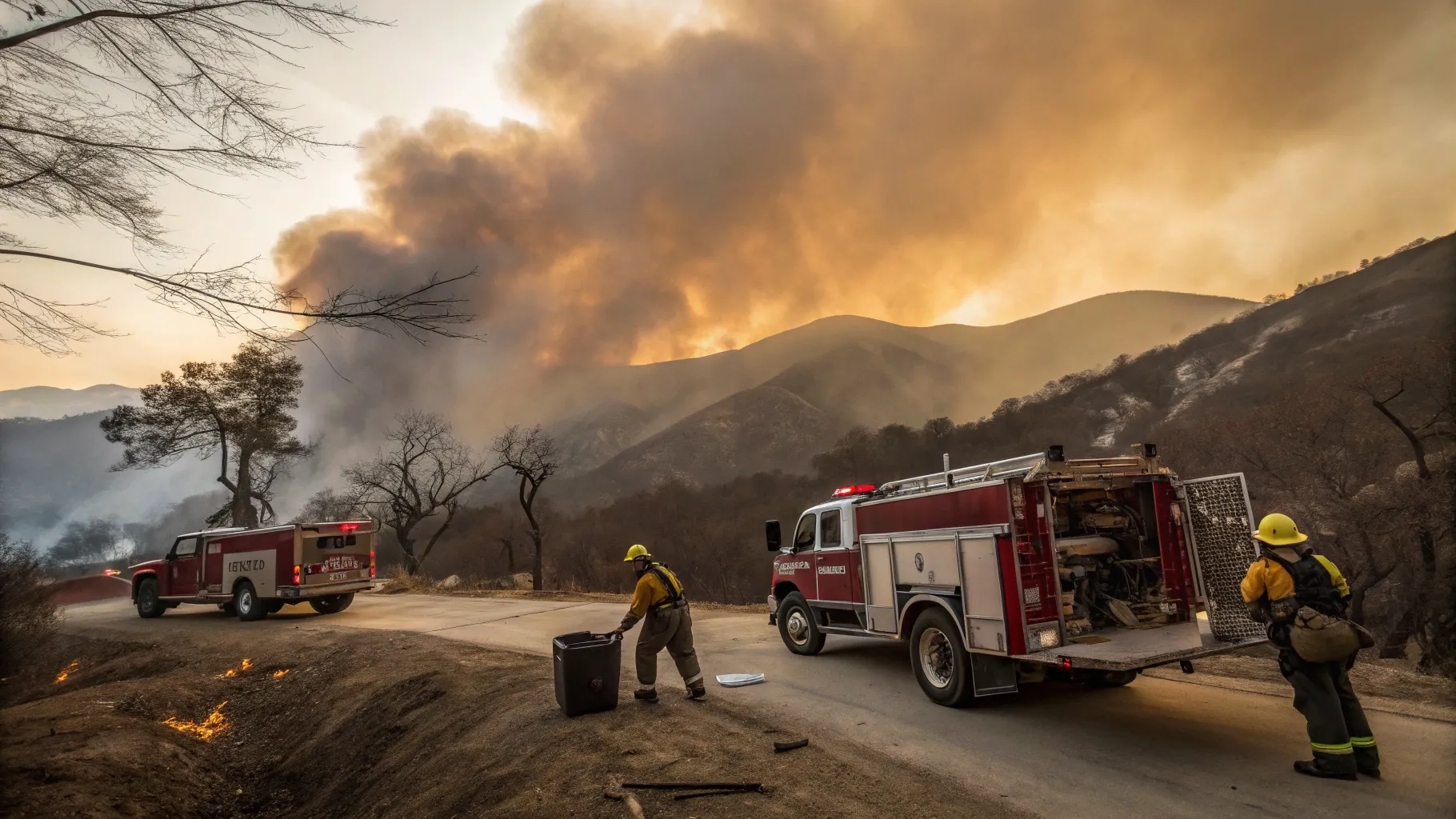
A rising death count has cast a shadow over a small break in the weather in Los Angeles, where firefighters are preparing for another round of winds that could reignite fast-moving flames. Crews worked through the weekend across foothill neighborhoods and canyons as forecasters warned that gusty conditions could return as early as Monday night, adding urgency for residents and first responders alike.
The latest developments come as scattered evacuations, road closures, and air-quality warnings stretch from the San Fernando Valley to coastal foothills. Officials say the cooler temperatures and higher humidity offered brief relief, but the threat has not passed. The concern is simple: wind turns embers into new fire fronts and pushes existing lines into new communities.
“A surging death toll is accompanying a slight break in the weather as firefighters in Los Angeles cast a wary eye on a forecast for yet more wind.”
Shifting Weather Brings Brief Relief
Weather conditions improved slightly over the weekend, allowing line crews to extend containment around several flanks. Light onshore flow and cooler evenings helped slow fire behavior in some areas. But vegetation remains dry after months of little rain, and any return of gusts can undo progress.
Red Flag Warnings have become a seasonal marker in Southern California, often tied to Santa Ana and sundowner winds. These winds can push flames with shocking speed, sending embers miles ahead and sparking spot fires across freeways and rooftops. Firefighters call it “wind-driven fire,” and it is often resistant to direct attack.
Firefighters Brace for Renewed Winds
Incident commanders say strategy now centers on holding the lines that were carved during the lull. That means reinforcing dozer lines, clearing brush around homes, and positioning engines in neighborhoods most at risk of ember cast. A shift to stronger winds would likely trigger new evacuation orders and limit the use of aircraft due to turbulence and visibility.
Officials also warned that night operations could become more dangerous if winds strengthen after sunset. In past events, gusts have peaked overnight, forcing crews to retreat and focus on life safety.
Communities Confront Evacuations and Loss
Families in the path of the fire face a hard choice: leave early or wait for orders. Many who lived through previous seasons now pack go-bags and keep car fuel tanks near full. Others try to shelter pets and protect property with garden hoses and sprinklers, despite repeated warnings that such efforts can be risky.
Emergency managers stress that the threat extends far from the flame front. Smoke can worsen asthma, and falling ash reduces visibility on major routes. Power shutoffs intended to prevent sparking lines can complicate communication and medical care.
- Follow evacuation orders the moment they are issued.
- Keep doorways, driveways, and hydrants clear for engines.
- Prepare masks and air purifiers for smoke days.
A History of Wind-Driven Disasters
Southern California has faced deadly, wind-fueled fires many times. Past seasons have shown how dry fuel, steep terrain, and strong gusts combine to produce rapid growth and tragic outcomes. While each incident differs, a common pattern emerges: brief weather breaks can help containment, but a quick return of wind often threatens new flare-ups.
Researchers have pointed to climate trends that lengthen fire seasons and dry out vegetation, raising the risk of extreme behavior. Urban expansion into foothills adds exposure, putting more people and homes in harm’s way.
What the Forecast Means for the Next 48 Hours
Forecasters expect gusts to increase along passes and canyons, with the strongest winds likely overnight. That timing worries crews because darkness limits aerial support and makes it harder to spot new ignitions. If winds persist, containment numbers could stall, and spot fires could jump lines.
Officials urged residents to monitor local alerts and prepare to move quickly. Firefighters will focus on life safety, structure defense, and holding key ridgelines. Success hinges on whether winds ease by midweek and whether humidity stays high enough to slow the spread.
Multiple Viewpoints From the Front Lines
Fire crews described a cautious mood after the brief weather improvement. “Relief helps us get ahead of it,” one on-scene captain said, “but it only matters if the wind stays down.” Public health officials emphasized smoke impacts, urging people to stay indoors when air quality worsens. Community leaders called for better brush clearance and more shelters for evacuees with pets.
The path ahead depends on the next wind event. If gusts strengthen, new evacuations and road closures are likely. If they fade, crews could lock in containment and allow more residents to return home. For now, the focus is on readiness: clear defensible space, heed alerts, and plan for quick departures. The coming days will show whether the brief calm was a turning point or a pause before the next push.