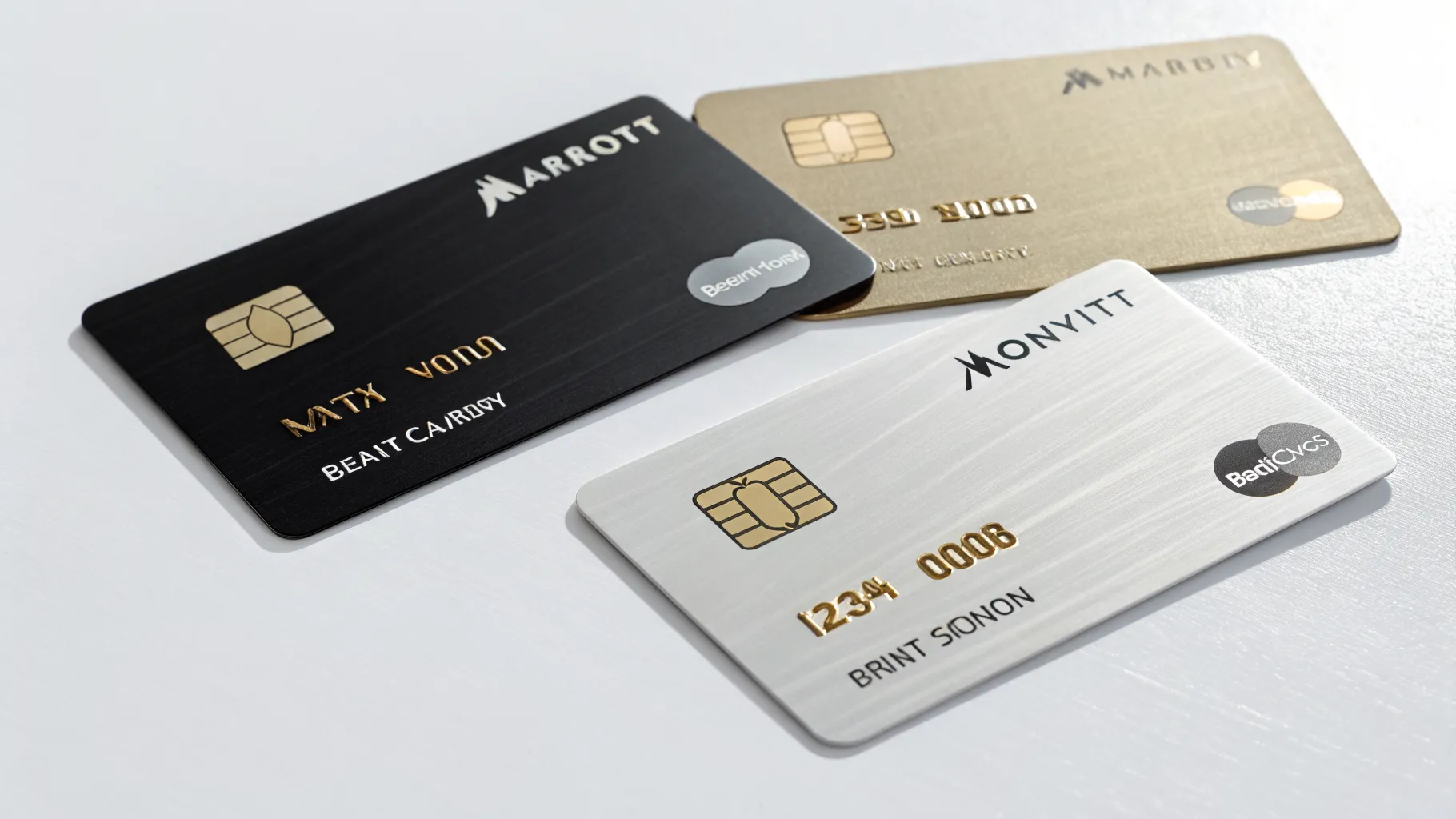
Marriott is set to roll out limited-time welcome bonuses on three credit cards starting March 12, 2026, a move that could spark fresh competition among travel rewards programs as spring travel ramps up. The offers, available for a short window, target new cardholders across the Marriott Bonvoy family at a moment when many travelers plan trips for late spring and summer.
“Starting March 12, 2026, three cards in the Marriott Bonvoy family are offering new welcome bonus offers for a limited time.”
The announcement signals a push to attract new customers to one of the world’s largest hotel loyalty programs. While full details were not disclosed, the timing suggests an effort to capture demand ahead of peak booking periods.
What Is Changing on March 12
Three cards tied to the Marriott Bonvoy program will add new welcome offers for new applicants. These promotions are time-limited, which means application windows may close within weeks. The company did not list the exact end date or the specific bonus structures.
Welcome bonuses are a standard tool among hotel and airline cards. They can include extra points for meeting a minimum spending requirement, free night certificates, or statement credits linked to eligible purchases. The exact mix often shifts by season and market conditions.
Why the Timing Matters
Spring tends to be a planning period for leisure and business trips. Travel brands often introduce incentives as consumers lock in flights and hotels. A fresh offer in March can influence which card sits at the top of a traveler’s wallet for the rest of the year.
Marriott Bonvoy spans thousands of hotels across more than 30 brands, from extended-stay properties to luxury resorts. Points can be used for hotel nights, upgrades, and partner redemptions. That breadth makes bonus points during a limited-time window especially appealing to frequent guests and families preparing for school breaks.
Background: Co-Branded Cards and Loyalty Trends
Hotel loyalty has grown more complex in recent years as issuers and brands tune benefits, annual fees, and earning rates. Marriott partners with multiple issuers in the United States, offering a range of cards that cater to different budgets and travel habits. Product lines typically include no-annual-fee options, mid-tier cards with free night perks, and premium cards with added travel credits.
Across the industry, issuers have used temporary offers to win new customers without permanently raising costs. These promotions can align with major events, new brand marketing, or seasonal travel peaks. For consumers, the value depends on travel plans, the ability to meet spending requirements, and how quickly rewards can be used.
What Consumers Should Watch
- Offer terms: minimum spend, time to qualify, and any category restrictions.
- Redemption value: how many points are needed for typical stays in planned destinations.
- Annual fees and credits: do recurring perks offset ongoing costs.
- Earning structure: bonus points on travel, dining, groceries, or gas.
- Account impacts: new accounts can affect credit utilization and average account age.
It is also wise to check upgrade or downgrade paths within the card family, as well as rules on who qualifies as a new applicant. Some issuers limit bonuses to first-time cardholders or set waiting periods between bonuses.
Potential Impact on the Travel Market
Limited-time offers can shift share among hotel brands as travelers compare sign-up value and redemption ease. If the promotions are strong, rival programs may answer with their own incentives, adding momentum to a competitive season for rewards cards. That can benefit consumers who time applications to match big trips and high-cost stays.
For Marriott, new cardholders often become repeat guests. Points earned from both card spend and hotel stays can anchor a traveler within one network. That loyalty effect is strongest when travelers see clear value in free nights and elite-like perks, such as late checkout or room upgrades, where available.
How to Evaluate the Offers
Travelers should compare the total first-year value against estimated spending and planned trips. Map expected expenses against the offer’s qualification window. Then compare potential redemptions at target hotels during chosen dates, keeping in mind that award pricing can vary by property and time.
Card perks matter beyond the headline bonus. Trip protections, no foreign transaction fees, and annual free night certificates may outweigh small differences in bonus size. Households that pool points or book multiple rooms may see faster returns on higher-earning cards.
Marriott’s limited-time push starting March 12 sets the stage for a busy season in travel rewards. The offers could help new cardholders lock in stays for upcoming trips while giving Marriott a lift in customer acquisition. Shoppers should watch for full terms, compare against competing cards, and choose the option that fits their travel calendar. If rival brands answer with their own promotions, the next few months may offer better-than-usual value for those ready to plan and book.