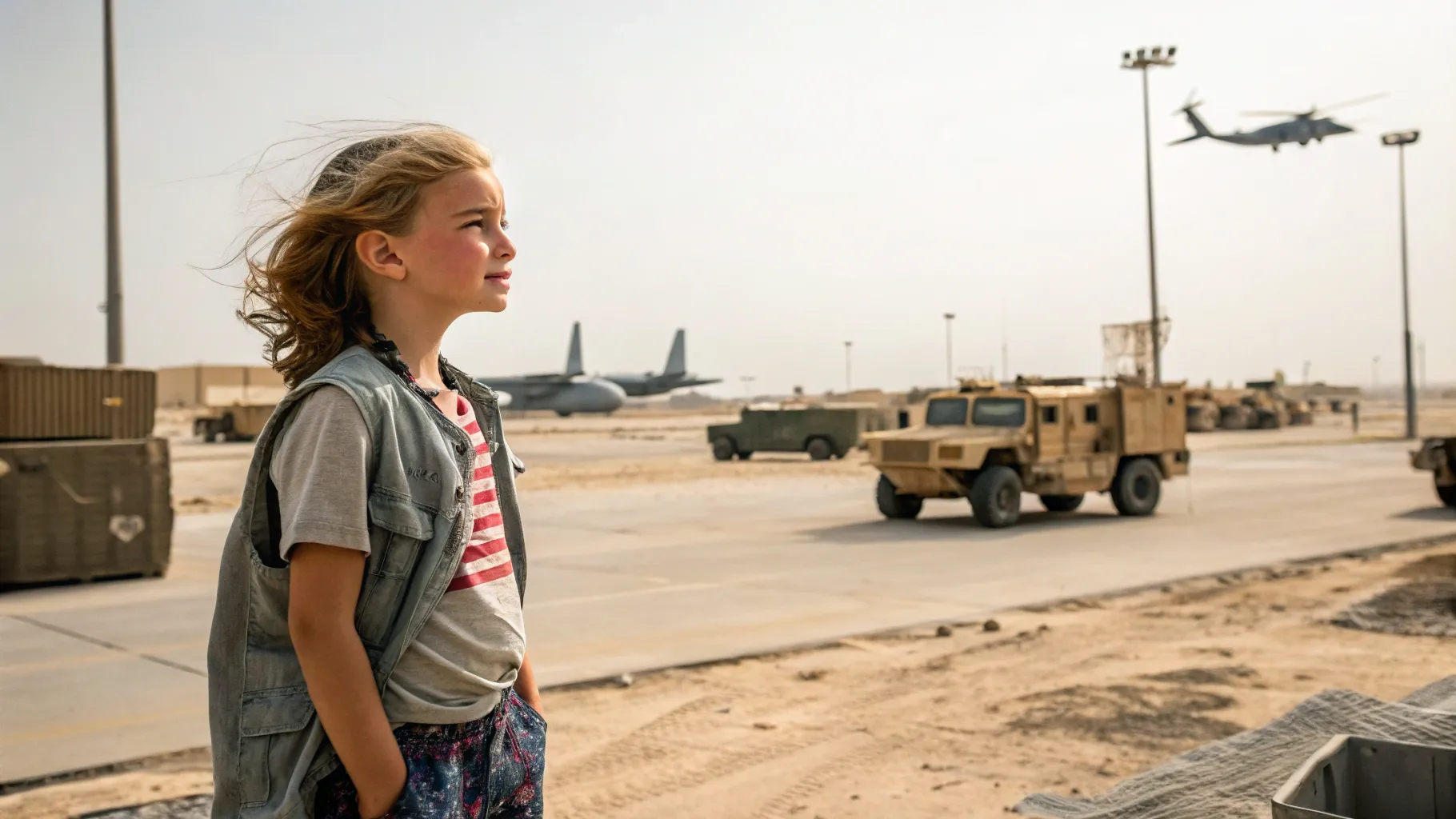
As U.S. forces continue long deployments overseas, the children who follow them are learning to build lives far from home. One of them, Mikayla McGhee, offers a window into that world, from a tour in Bahrain during 2020 to the daily trade-offs of a mobile upbringing. Her story shows how service ripples through families and how young people adapt to new places and pressures.
Growing Up on the Move
Military families relocate often. Moves can come with little notice. Each new assignment brings a new school, a new set of friends, and a different culture. Many children in these families share a distinct identity that comes with those changes.
“Mikayla McGhee is a self-proclaimed military brat.”
For children like McGhee, frequent change is normal. They learn to settle quickly and say goodbye just as fast. The cycle can build resilience and confidence. It can also strain academics and social ties.
Bahrain’s Strategic Role and Daily Life
Bahrain hosts the U.S. Navy’s Fifth Fleet headquarters in Manama. That presence has anchored American deployments in the Gulf for decades. For families, the posting blends high stakes with daily routines in a compact island nation linked by causeway to Saudi Arabia.
American neighborhoods sit close to Bahraini markets and mosques. Weekends might bring visits to Manama’s souqs or the Bahrain National Museum. Daily life mixes American school calendars with local customs and holidays. Families often speak about how proximity to different cultures opens young eyes to global issues and everyday differences.
2020: A Year of Extra Strain
McGhee’s first visit to Bahrain came in 2020, the year the pandemic reshaped travel, school, and public life.
“She first visited Bahrain when her father was stationed there in 2020.”
That timing mattered. Many bases tightened access. Flights were disrupted. Schools shifted between in-person and remote learning. For teens, that meant new classmates met through screens and long stretches indoors. For younger children, it meant fewer playgroups and limited sports.
Health protocols added layers to an already complex move. Families weighed quarantine rules and testing demands. They followed local health guidance while staying connected to U.S. systems for medical care and schooling.
Schooling, Support, and Gaps
Education is a central concern during any overseas tour. The Department of Defense Education Activity operates schools on many installations, including in Bahrain. These schools try to keep credits aligned for students who transfer often. Counselors help with course planning and college applications.
Even with support, challenges persist. Students report uneven access to specialized classes. Athletics and arts programs can feel fragile when teams change every season. Off-base schooling offers choices, but tuition and transport can be hurdles.
- Frequent moves disrupt class sequences and testing schedules.
- Deployments add stress at home while a parent is away.
- Time zones complicate contact with extended family and U.S. colleges.
Identity, Opportunity, and Trade-Offs
Children in these families often become skilled at reading rooms, forming quick friendships, and adapting to new rules. They gain exposure to languages, foods, and histories that many peers learn about only in books. Those strengths carry into college and work.
The costs are real. Goodbyes stack up. A sense of “home” can feel temporary. Some young adults later seek stability in one city. Others choose careers that echo the service they grew up around, from public policy to logistics to the military itself.
What the Experience Tells Us
McGhee’s time in Bahrain shows how global events flow through family life. A single tour combined a strategic posting with a public health crisis and the usual pressures of a move. Each factor shaped schooling, friendships, and daily routines.
Policymakers and school leaders can draw lessons from these stories. Predictable credit transfer, steady mental health support, and clear guidance on health and travel help families maintain stability. Local partnerships—between base schools and host-nation institutions—can enrich classes and clubs without adding cost.
As deployments continue, the lives of military children remain a vital part of the story. McGhee’s experience emphasizes both the promise and the strain of growing up overseas. The next test will come with the next move: how quickly services adjust, how well schools coordinate, and how families preserve bonds across distance. Watch for improvements in school credit alignment, access to counseling, and community ties that make each new station feel like more than a waypoint.