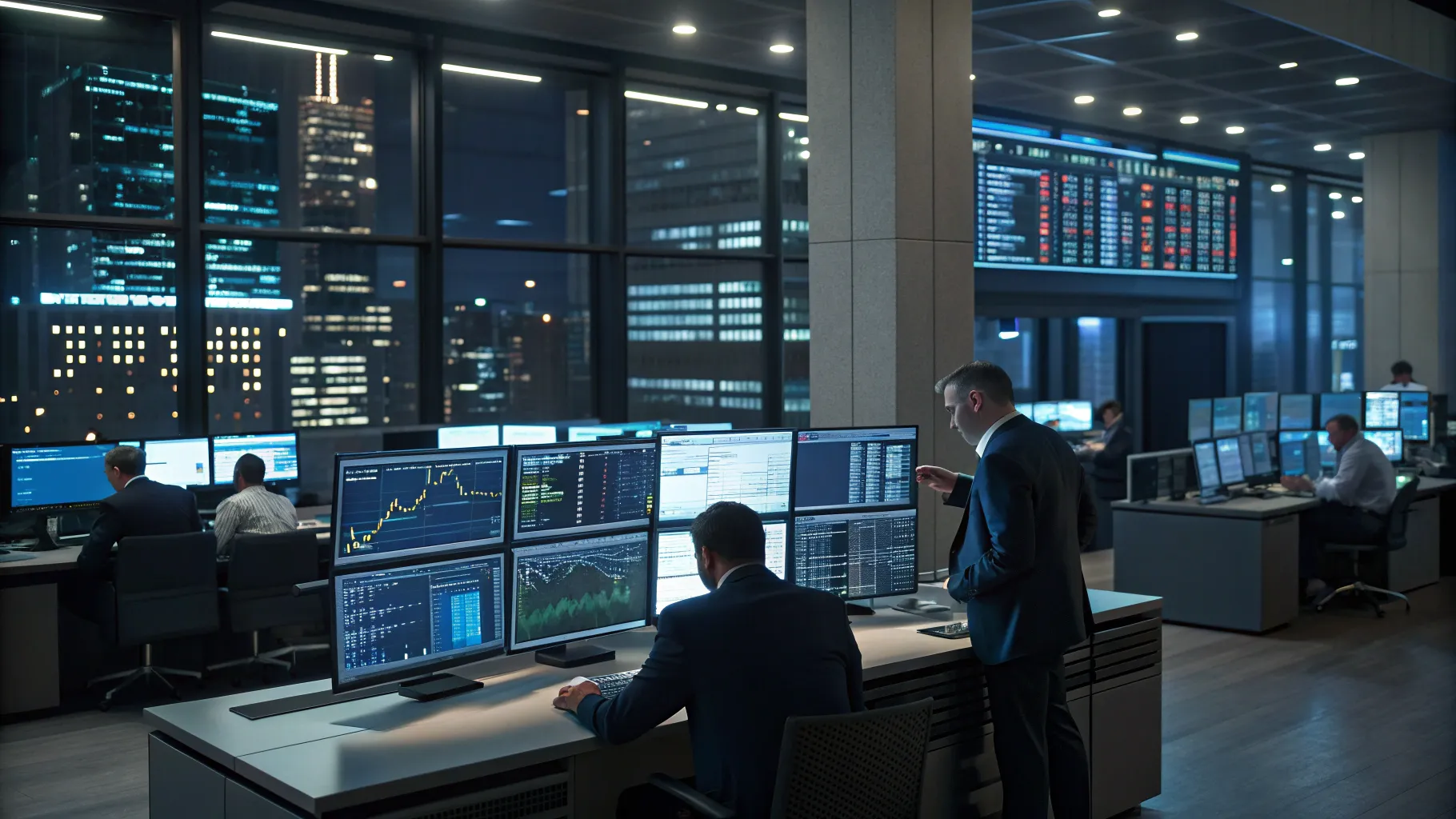
As exchanges and brokers weigh a move toward round-the-clock stock trading, a growing chorus warns that the cure may worsen the disease. The idea has gained momentum in New York and elsewhere this year, as platforms test extended sessions and pitch convenience for investors. But market veterans, academics, and some brokers argue that thin liquidity, wider spreads, and fragmented prices could intensify if trading never stops.
The debate comes as U.S. equity volumes remain concentrated during the regular session, while after-hours trading is still a niche used mainly for earnings and news. Crypto markets already trade nonstop, and futures trade nearly all day, raising pressure for stocks to follow. The push also coincides with ongoing reforms at the Securities and Exchange Commission that target payment for order flow, tick sizes, and best execution.
“Critics argue that formalizing nearly nonstop trading could worsen some of the very problems that plague the structure of equity markets today.”
Why 24/7 Is Back on the Table
Exchanges and brokers see demand from younger investors used to always-on apps. They also see a chance to win market share in off-peak hours. Several platforms have piloted longer evening windows and early morning access, citing customer interest and the success of crypto’s schedule.
Supporters say more hours would let investors react to global news in real time. They argue that earnings, policy moves, and geopolitical events often break outside the 9:30 a.m. to 4 p.m. Eastern window. Letting prices adjust sooner, they say, could reduce gaps at the open.
Liquidity, Spreads, and Price Discovery
Opponents worry that the plan could stretch limited liquidity across more hours. That can produce wider bid-ask spreads and sharper price swings. Market makers staff fewer traders overnight, and many institutional desks prefer to wait for the main session, when depth is greatest.
Thin markets can distort price discovery. A single large order can move a stock several percentage points when fewer quotes are active. That risk already exists after hours. Extending it across the clock could make reference prices less reliable for funds, issuers, and index providers.
- Liquidity tends to be deepest during the main session.
- Off-hours spreads are often wider, raising trading costs.
- Prices can gap on light volume, muddling benchmarks.
Fragmentation and the Role of Wholesalers
U.S. stocks already trade across dozens of venues, including exchanges, dark pools, and wholesalers. More hours could fracture the market further. Quotes might diverge between platforms if participation is uneven, creating more off-exchange fills with limited transparency.
Payment for order flow, a focus of regulators, could become even more important at night, when displayed liquidity is scarce. That could deepen a split between retail orders internalized by large wholesalers and institutional orders seeking lit markets. Some exchanges say they will add incentives to post quotes in extended hours, but it is unclear if that will draw enough depth.
Retail Investors and Execution Quality
Many retail investors trade after hours during earnings season, drawn by big moves. But price gaps and wider spreads can raise costs and slippage. If 24-hour access becomes the norm, brokers will need to strengthen risk checks, trade disclosures, and investor education.
Investor advocates want clearer warnings about off-hours risks and more data on execution quality outside the main session. They also want limits on leverage overnight, when news can trigger rapid moves and halts are less effective. Brokers counter that more access and competition can lower costs over time, if liquidity follows.
Technology, Market Safeguards, and Operations
Running equites nonstop would test the systems that handle clearing, settlement, and corporate actions. Today’s overnight batch jobs, reconciliations, and symbol changes rely on market downtime. Any shift would demand new schedules and backstops to prevent errors from compounding.
Exchanges would need clear rules for halts, auctions, and volatility controls in thin periods. Clearinghouses would face new risk models for margin and collateral when positions move at 3 a.m. instead of the opening bell.
What Regulators Are Weighing
Regulators are already revisiting core market rules, such as how quotes are displayed and how trades route. Extending hours raises fresh questions: How should best execution apply at 2 a.m.? What disclosures should brokers provide for off-hours fills? How will public data feeds reflect prices when lit quotes are sparse?
Some policy analysts suggest phasing the change with narrow pilot programs. They propose limiting 24-hour access to the largest, most liquid stocks at first, paired with detailed reporting on spreads, depth, and execution quality.
The push for nonstop trading is gaining momentum, but the trade-offs are clear. Extending hours could give investors more choice and faster reactions to news. It could also magnify the weak points of an already complex market, including thin liquidity and fragmented prices. Regulators, exchanges, and brokers will likely test gradual steps, paired with stronger safeguards and transparency. Investors should watch for pilot results on spreads, depth, and execution quality before treating 24/7 as the new normal.