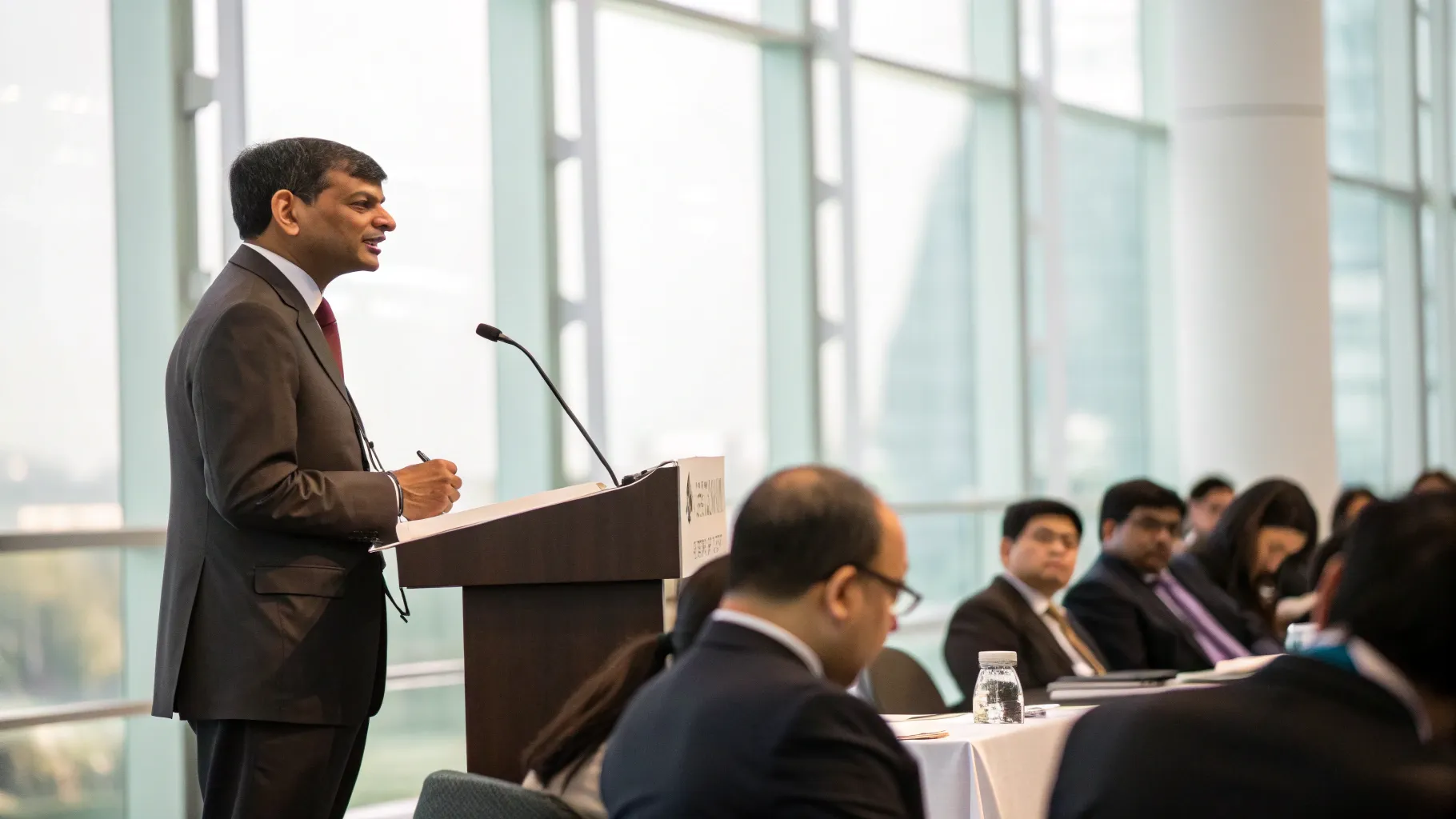
As New Delhi prepares its Union Budget for 2026, former Reserve Bank of India Governor Raghuram Rajan has called for steady long-term planning and a stronger push for self-reliance. He asked policymakers to focus on growth that strengthens India’s international ties while guarding against rising global risks. His remarks add urgency to a fiscal season shaped by slowing global trade, volatile energy prices, and rapid advances in artificial intelligence.
Rajan framed the moment as a chance to lock in credibility at home and trust abroad. He urged clear signals on fiscal discipline, investment quality, and skill-building. He also encouraged a careful, practical path on new technologies.
Background: A Voice for Stability
Raghuram Rajan led the RBI from 2013 to 2016, a period marked by high inflation, a weak rupee, and capital outflows. He helped launch the inflation-targeting framework and pushed for cleaner bank balance sheets. These steps aimed to build better anchors for the economy.
Budget seasons since then have often balanced growth spending with deficit reduction. Capital expenditure has risen in recent years, while the government has outlined a glide path to narrow the fiscal gap. Rajan’s message fits that track, but urges consistency and clarity to manage fresh shocks.
Stability and Self-Reliance
Rajan argued that long-term stability should sit at the center of the Budget. He called for policies that reduce exposure to external shocks while keeping supply chains open.
“Prioritise long-term economic stability and self-reliance.”
He suggested that self-reliance is not isolation. It means building resilience at home while keeping markets and investment channels active.
- Maintain a credible fiscal path to lower borrowing costs.
- Invest in logistics, energy, and digital public goods to raise productivity.
- Support domestic manufacturing without blunt protectionism.
Economists often note that steady fiscal consolidation can boost private investment by easing pressure on interest rates. Stronger public infrastructure also reduces costs for small firms and exporters.
Global Risks and India’s External Ties
Rajan warned that the world faces new and persistent threats. He pointed to tensions that can disrupt trade, finance, and energy supplies.
“Looming global threats” must shape policy choices, he said, urging a plan that “enhances India’s international relationships.”
For India, a cautious approach may include diversified energy sources, prudent foreign borrowing, and closer links with key trade partners. Stable diplomacy can help secure raw materials and export markets. It can also attract investment into manufacturing, green energy, and services.
Analysts say a clear external strategy reduces currency volatility and helps manage imported inflation. It also supports longer-term goals, like moving up the value chain in electronics and chemicals.
Artificial Intelligence: Promise With Guardrails
Rajan noted that artificial intelligence could lift productivity, expand services, and open new export opportunities. He called for practical safeguards and wide access to skills.
He recognized “the merits of artificial intelligence,” while stressing the need for balance and oversight.
Policy options include incentives for AI adoption by small businesses, funding for research, and rapid worker training. Data protection and transparency standards can keep trust intact. Public digital infrastructure can help firms integrate AI tools at lower cost.
Education will be key. Upskilling programs and industry partnerships can prepare workers for new roles in analytics, automation, and design.
What to Watch in Budget 2026
The Budget will signal how far the government will go on fiscal restraint and investment priorities. Markets will look for a realistic deficit target and details on capex quality. Small and medium enterprises will watch for credit access and tax clarity.
Policy watchers expect more steps on manufacturing and supply chain resilience. Any moves on trade facilitation, green energy, or technology adoption could shape growth over the next five years. Clarity on AI standards and skilling plans would set a steady course for digital transformation.
Rajan’s call is clear: keep a steady hand and build resilience without closing doors. He urged a plan that strengthens the economy at home and deepens trust abroad. If the Budget delivers on stability, credible consolidation, and targeted investment, India could secure growth while managing risk. The next signal will come with the deficit path, the mix of public spending, and the scope of AI-ready skill programs. Observers will be watching for actions that turn these goals into measurable progress.