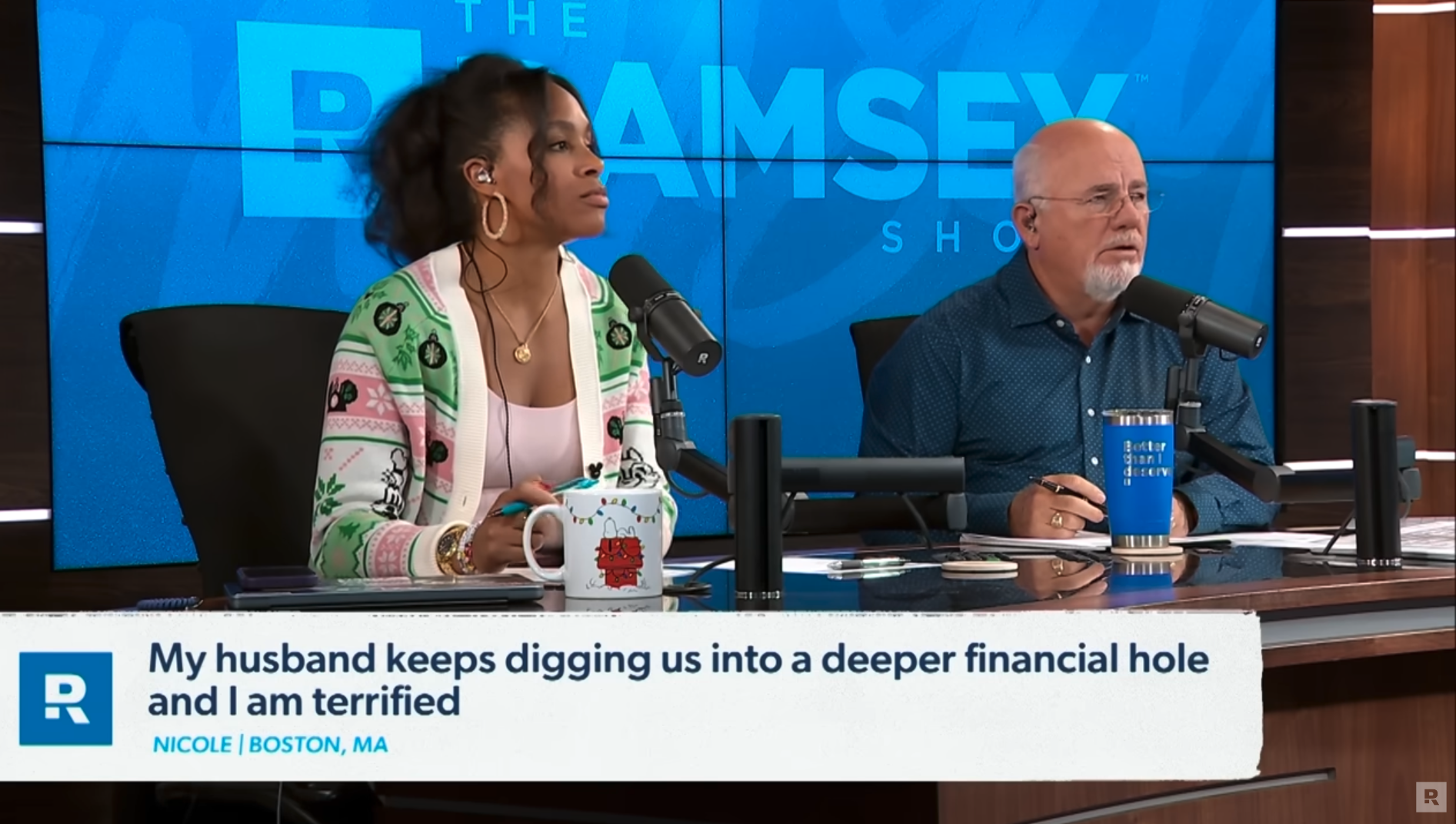
We like to dress up financial recklessness as loyalty. Some even call it marital respect. That’s a mistake. After listening to Joel Nowak walk through Dave Ramsey’s take on a caller’s crisis, my view is clear: spouses should not enable get-rich-quick schemes, especially when debt is piling up and reality is calling.
The call centered on a couple bleeding cash on a troubled apartment complex. The husband wants to stack more debt to “fix it.” The wife says no. She’s right. This isn’t about being risk-averse. It’s about refusing to fund wishful thinking.
The Line Between Respect and Enabling
Nowak echoed Ramsey’s tough-love view. Respect doesn’t mean silence in the face of bad decisions. You can love your spouse and still say, “Stop.” As Ramsey put it:
“You’re not called to respect your husband if every time he gets in a car, he drives it into a ditch… That’s not respect. That’s enabling.”
That line matters. Complimenting wise choices only means something when we do not also “respect” foolish ones. Real unity is built on truth, not quiet compliance.
Debt Isn’t a Strategy; It’s a Trap When the Math Fails
The numbers told a hard story. The couple owes about $6 million on a lower-income property that “always takes the cash flow” from their other ventures. It appraised near what they owe. Selling will take time. The husband wants to bridge the gap with maxed-out credit cards and a new loan.
Ramsey’s response was blunt and right: no more debt to prop up a sinkhole.
“No, I’m not doing that… That’s good money after bad.”
Two key moves emerged from the conversation:
- Verify whether the loan is truly non-recourse. An LLC does not guarantee protection if he signed a personal guarantee.
- If it is non-recourse and the property is not worth the debt, hand it back. If it’s recourse, sell fast, even at a discount; before pouring in more cash.
Both options beat gambling on a turnaround with borrowed money. Chasing a failing deal with fresh debt is how families lose everything they’ve built.
Agreement Is Not Optional on Big Decisions
Another point Nowak highlighted from Ramsey: major financial choices require full agreement from both spouses. Ramsey was direct:
“We don’t do big deals… without both being in agreement, period.”
This is not about control; it’s about shared risk. If one spouse says, “No more borrowing,” that’s the floor. Blow past that and you do not have a money problem; You have a marriage problem.
What This Call Teaches
Here’s the clear path forward, built on Ramsey’s principles and the facts from the call:
- Stop new borrowing immediately. No more credit cards. No “bridge” loans. Freeze the damage.
- Get the loan documents today. Confirm recourse versus non-recourse and any personal guarantees, in writing.
- Choose a clean exit. If non-recourse, return the keys and move on. If recourse, list the property now and price to move.
- Get on the same page. Set a rule: no large transactions without joint agreement.
- Seek help if needed. If he acts unilaterally, that points to deeper issues than dollars.
Some may argue that real estate “rewards the bold.” I’m not convinced when the numbers don’t work. Bold is not the same as reckless. Bold means owning the loss, protecting the family, and moving on with a smarter plan.
My Take
Calling more debt a solution here is wishful thinking. The right move is to stop the cash bleed, verify liability, and execute the fastest lawful exit. Then rebuild with clear rules: no big deals without unity, no “get rich quick,” and no respect for incompetence. Respect belongs to truth, discipline, and results.
If you’re in a similar spot, draw a firm line. Protect your home first. Sell the problem. Strengthen the marriage with agreements you both honor. That is real respect.
Frequently Asked Questions
Q: How do I know if our property loan is non-recourse?
Read the loan documents and look for any personal guarantees. If unclear, ask the lender in writing or consult a real estate attorney for a quick review.
Q: Should we invest more to get the building “ready to sell”?
Not if the project relies on new debt and the sale price won’t cover it. List it as-is and price it to move rather than chasing a perfect finish.
Q: What if my spouse wants to push ahead without my agreement?
Pause the deal. Seek counseling and set a rule for joint approval on large moves. Acting alone on big risks points to a relationship issue, not just money.
Q: How can we prevent this from happening again?
Create a written budget, set a cash reserve, and establish a “no large purchases without both yeses” rule. Stick to deals that work on paper without new loans.