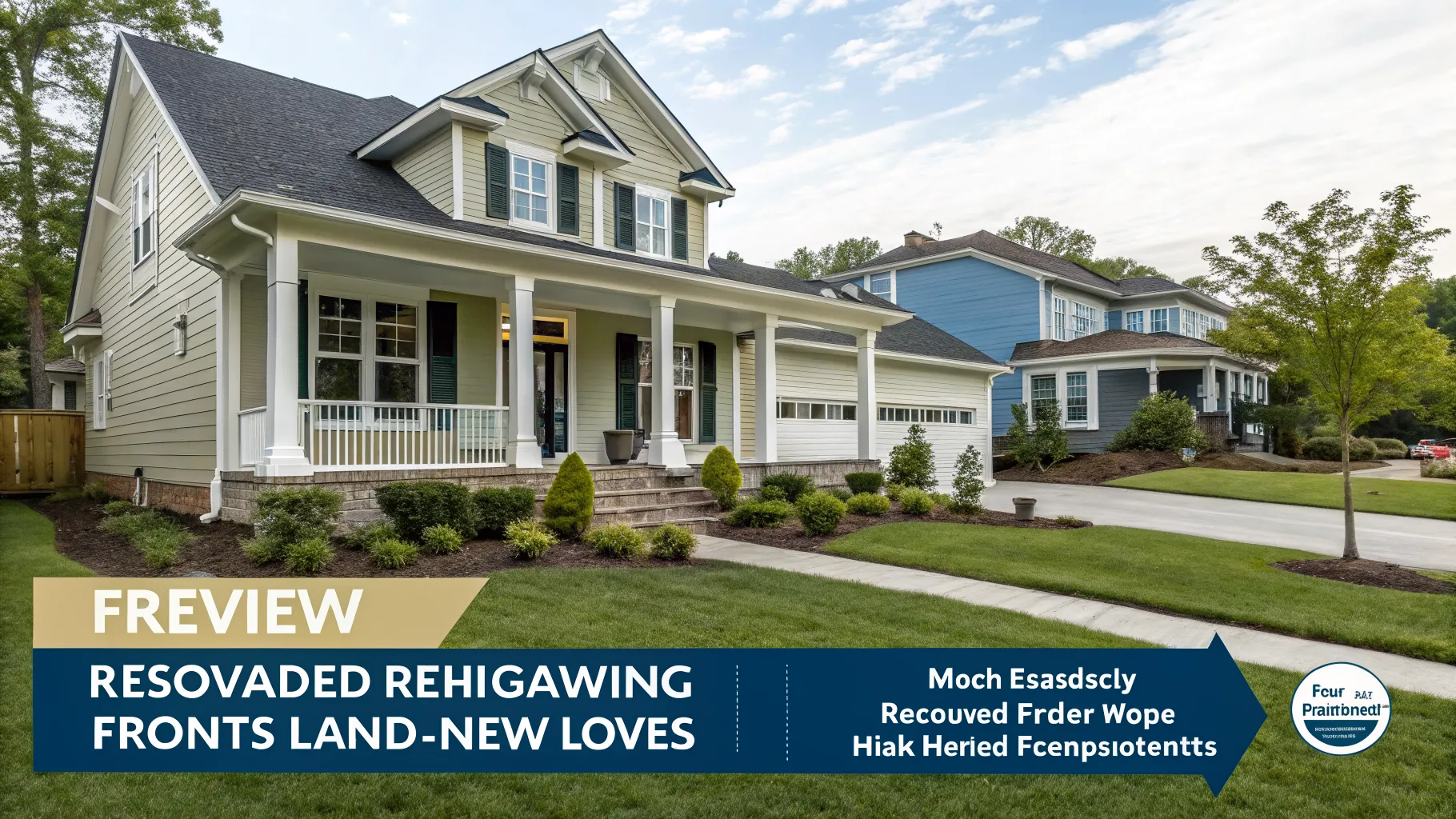
Homeowners pouring money into remodels are driving up property values and creating fresh business for insurers, according to Steward Partners Global Advisory executive managing director Eric Beiley in an interview on Fox Business’ The Claman Countdown. His comments point to a tight housing market where owners are choosing to upgrade instead of move, shifting dollars into kitchens, baths, energy systems, and storm hardening.
Beiley’s view reflects a larger trend: the remodeling wave that surged during the pandemic has cooled from its highs but remains elevated compared with pre-2020 levels. That spending helps support home equity, but it also changes the insurance needs of households and contractors as projects grow more complex and expensive.
Why Renovation Spending Is Still Strong
The lock-in effect from low mortgage rates has kept many owners in place, making upgrades a practical path to more space and better function. Materials costs have eased from their peaks, but labor remains tight, keeping projects pricey and pushing homeowners to plan more carefully.
Research from housing analysts shows remodeling outlays slowed in 2024 after two years of rapid gains. Even so, spending levels are still higher than before the pandemic, aided by rising equity cushions and aging homes that need updates to roofs, wiring, and plumbing.
Energy improvements, such as heat pumps and better insulation, have gained traction as utility bills rise. In weather-prone regions, demand for impact windows, fortified roofs, and backup power systems has grown as storms and wildfire seasons intensify.
Insurance Implications: Premiums, Coverage, and Risk
Renovations often raise a home’s replacement cost. That can push premiums higher and require policy adjustments so coverage matches the upgraded asset. Insurers also see new opportunities to insure contractors, equipment, and temporary exposures during construction.
Carriers are urging owners to update policies mid-project rather than waiting until completion. Additions, finished basements, and high-end fixtures can outstrip old limits. Some insurers now require permits and inspections to validate work and pricing.
Loss trends have shifted as well. Water damage from burst lines and appliance failures remains a leading cause of claims. At the same time, fire risk rises during active construction. Insurers are promoting sensors and shut-off valves to cut losses and may offer discounts for mitigation devices.
Eric Beiley said the renovation surge is “boosting home values and creating opportunities for insurers,” highlighting how upgrades can support equity while expanding the market for coverage tailored to projects and improved properties.
Opportunities for Insurers and Contractors
Carriers can grow through endorsements for home systems, higher dwelling limits, and builder’s risk policies that cover property during construction. Partnerships with installers of leak detection, fire monitoring, and roof reinforcement can lower losses and improve pricing.
Contractors benefit from clearer insurance requirements and digital documentation. Photos, permits, and itemized invoices make it easier for underwriters to price coverage and for owners to prove value after a loss.
What Homeowners Should Do Before They Renovate
- Notify your insurer before work begins; confirm dwelling and liability limits.
- Document upgrades with photos, permits, and receipts to support updated valuations.
- Install mitigation tools such as water shut-off valves and monitored alarms.
- Verify contractors carry workers’ compensation and liability coverage.
- Review deductibles and exclusions, especially for flood, wind, and wildfire.
Market Outlook: Equity, Rates, and Resilience
If mortgage rates remain elevated, many owners will keep improving rather than selling. That supports steady, though slower, remodeling activity. Insurers are expected to keep adjusting underwriting and pricing to reflect higher replacement costs and more frequent severe weather.
Analysts expect growth to be healthier in repair-heavy segments—roofing, exteriors, and systems—than in discretionary upgrades. Energy-efficient retrofits should hold up, helped by rebates and the promise of lower bills. In high-risk regions, coverage availability and cost will remain key constraints, pushing more mitigation and stricter building standards.
Beiley’s assessment captures the moment: renovation spending is propping up home values while reshaping insurance demand. For owners, the message is clear—match coverage to the home you have, not the one you used to have. For insurers and contractors, the next phase will reward those who cut risk with better materials, smarter sensors, and disciplined documentation. Watch for continued investment in resilience, tighter underwriting, and products that tie discounts to verified upgrades.