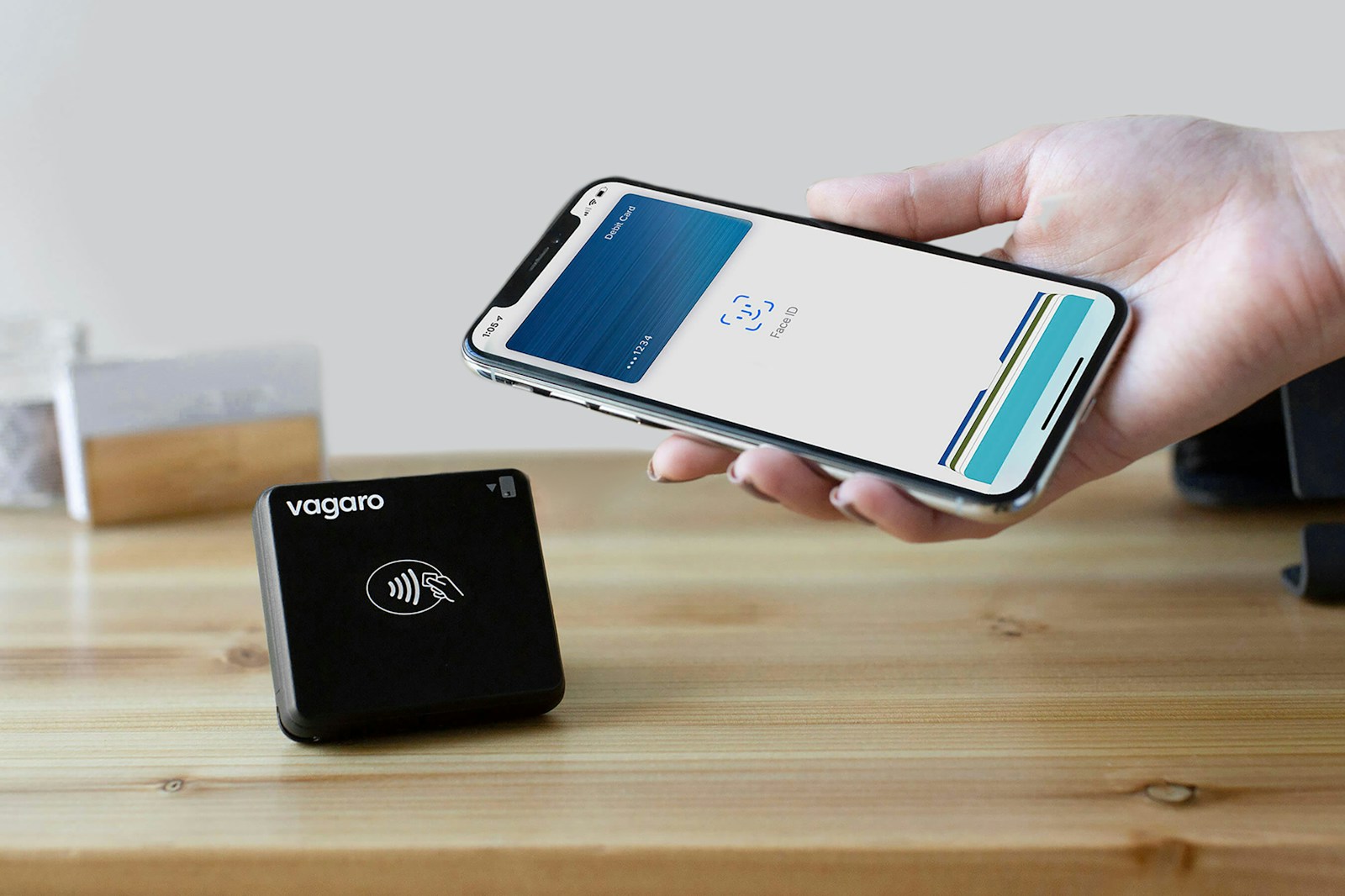
Spontaneous purchases could rise if the £100 limit on contactless card payments is removed, according to academics assessing consumer behavior and payment risks in the UK.
The warning comes as policymakers and banks debate whether to lift the cap introduced to balance convenience with security. The discussion has grown as contactless use has become routine on high streets and in transport, and as retailers press for faster checkouts. Researchers say dropping the ceiling would likely change how people spend, when they spend, and how much they spend.
“Spontaneous spending is likely to rise if the £100 limit on contactless cards is scrapped,” academics say.
How the Contactless Limit Evolved
Contactless payments began in the UK with a low cap designed to limit fraud losses if a card was lost or stolen. The limit moved from £30 to £45 in 2020, and then to £100 in 2021. The last increase aimed to support retail recovery and improve convenience as shoppers returned to stores.
The limit works alongside Strong Customer Authentication rules. Banks typically prompt a PIN after a number of taps or when a set cumulative spend is reached. That means the cap is not the only control, but it remains the most visible signal to consumers about risk and value at the till.
The Psychology of Tap-to-Pay
Behavioral economists note that tapping a card reduces the “pain of paying.” It makes spending feel quick and low effort. A higher or removed cap can amplify that effect, especially for mid-range purchases like clothing, electronics accessories, and meals for groups.
When a consumer does not pause to enter a PIN, they may feel less friction. That can nudge them to add items or upgrade to pricier options. Researchers say that effect is strongest for unplanned buys and for shoppers with weaker budgeting habits.
Retailers Welcome Speed, Consumers Split
Retailers have favored fewer interruptions at checkout. Faster payments reduce queues and can increase the number of transactions per hour. Many merchants argue their fraud exposure is limited because card issuers bear most card-present fraud losses.
Consumers are more divided. Frequent contactless users value the speed and the ability to leave wallets or cash at home. Budget-conscious shoppers worry a higher or no limit could erode self-control and make it harder to track spending across a month.
- Benefit: faster lines and fewer failed payments.
- Risk: more impulse buys and higher end-of-month bills.
- Trade-off: convenience versus guardrails on spending.
Fraud, Security, and Bank Controls
Banks say contactless fraud remains a small share of total card fraud, but they rely on multiple checks to keep it that way. Even with a higher cap, issuers can force PIN checks, block suspicious taps, and use location or device data to flag anomalies.
Scrapping the headline cap would shift more weight onto these invisible controls. That could work well for most customers but may confuse some when a terminal suddenly asks for a PIN at higher amounts. Consumer groups say clear messages at checkout and apps that show recent taps in real time would be essential.
Economic Signals and Household Budgets
The timing matters. Food and energy costs have put pressure on many households. Any policy change that smooths spending could raise short-term retail sales but also add to credit card balances for some groups.
Analysts expect small-ticket discretionary categories to see the first effects. Coffee chains, casual dining, and fast fashion could benefit from quicker approvals at higher amounts. Larger durable goods may see less change, since shoppers often compare prices and use credit options.
What a Change Would Require
If regulators and banks remove the cap, observers expect a staged rollout. Terminals would need updates. Issuers would adjust risk rules. Consumer communication would need to explain that taps may still trigger a PIN based on bank checks.
Merchants would also face staff training. Staff will need to explain why some taps fail and reassure customers that a PIN request does not mean a card problem.
Academics recommend testing in limited regions or sectors. A pilot could measure shifts in basket size, returns, and fraud before a wider launch.
For now, the message from researchers is clear. A world without the £100 limit would feel faster at the till. It would also change how people spend, with more impulse purchases likely. Banks and regulators will weigh those effects against security and household financial health before making a decision.
Shoppers should watch for announcements from their banks and card networks. If a change comes, using alerts, spending limits in apps, and weekly reviews can help keep budgets on track while keeping the speed that tap-to-pay offers.