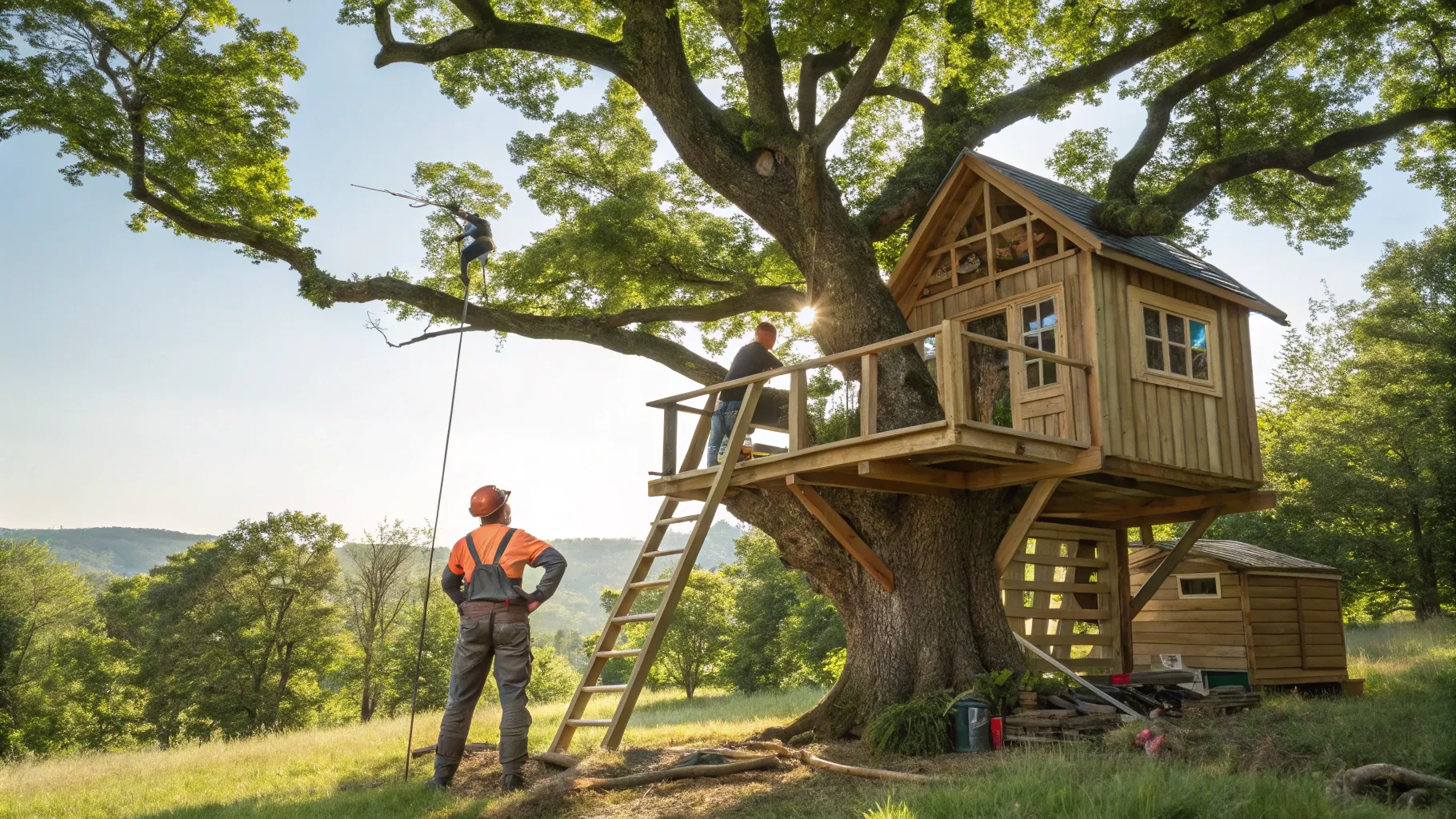
A small building crew led by Chris Broomfield finished a fully featured treehouse in just 13 weeks, a timeline that drew attention in their community. The project, completed this season at a private residence, became a case study in planning, coordination, and safe work at height. The builder credited a tight schedule and clear roles for the swift finish.
Treehouses have shifted from childhood play spaces to serious backyard projects. Homeowners now seek outdoor rooms for work, rest, and family gatherings. The project shows how a modest structure can be delivered quickly when design decisions and site conditions line up.
Project Overview
The team organized the build in phases: planning, site preparation, structural work, enclosure, and finishes. Broomfield led a small crew, balancing speed with safety standards. The group worked within a fixed schedule to meet seasonal weather windows.
“Chris Broomfield and his team built the treehouse in 13 weeks.”
That single line, shared by the builders, tells a story of disciplined scheduling. It also hints at clear design choices that avoided mid-project changes. The result was a structure that met the client’s needs and did not slip past the initial deadline.
Building Under a Tight Timeline
Finishing such a project in that period requires upfront planning. Crews often lose time on design changes, material delays, or weather. Broomfield’s team set a sequence that locked key decisions early.
- Design decisions settled before ordering materials.
- Site access planned to protect roots and soil.
- Material deliveries timed to match each phase.
- Daily safety checks before work at height.
The approach limited delays and reduced rework. It also kept the jobsite orderly, which matters in compact backyards.
Safety, Trees, and Structural Choices
Treehouses raise special safety concerns. Builders must protect both the tree and the people using the structure. Practice now favors supports that distribute loads and allow the tree to grow. Crews also use fall protection during framing and decking.
While the team did not release full plans, the 13-week schedule suggests a simple and strong design. That often means a limited footprint, careful hardware selection, and weather-resistant materials. It also suggests inspection points for fasteners and supports before closing up walls.
Community Interest and Market Context
Interest in backyard projects remains steady. People seek private spaces for reading, remote work, and play. A well-built treehouse addresses those needs without a full addition. For many homeowners, the question is cost, timeline, and maintenance.
Fast delivery can reduce disruption and labor costs. It may also help families plan around school breaks or holidays. Broomfield’s 13-week finish offers a reference point for similar small builds that aim to be ready within a season.
Balancing Speed and Quality
Speed can lead to mistakes if crews rush details. The project’s reported timeline suggests the team used checklists and staged inspections. That helps catch issues before they spread.
Quality also depends on sealing, drainage, and ventilation. These details protect wood from moisture and extend service life. Proper anchors and flashing protect the tree and the structure.
What Homeowners Should Watch
Treehouses can be subject to local rules. Homeowners should check permits, height limits, and setbacks. Insurers may also ask about anchors, railings, and access ladders.
Maintenance plans matter. A simple annual check of fasteners, sealants, and railings keeps users safe. Careful pruning by a certified arborist can also protect the tree.
Lessons From the Build
The project highlights a few practical lessons for small teams:
- Fix the design early to avoid change orders.
- Schedule around weather and lead times.
- Use safety gear for every elevated task.
- Protect tree health during and after construction.
Broomfield’s team showed that a focused schedule can deliver a backyard structure within one season. The result supports family use without a long disruption. It also suggests that careful planning is the best tool for small crews working aloft.
As more homeowners consider outdoor rooms, the project offers a clear benchmark. Watch for teams that publish schedules, use tree-safe hardware, and build with maintenance in mind. Those choices can make a 13-week promise achievable, safe, and durable.