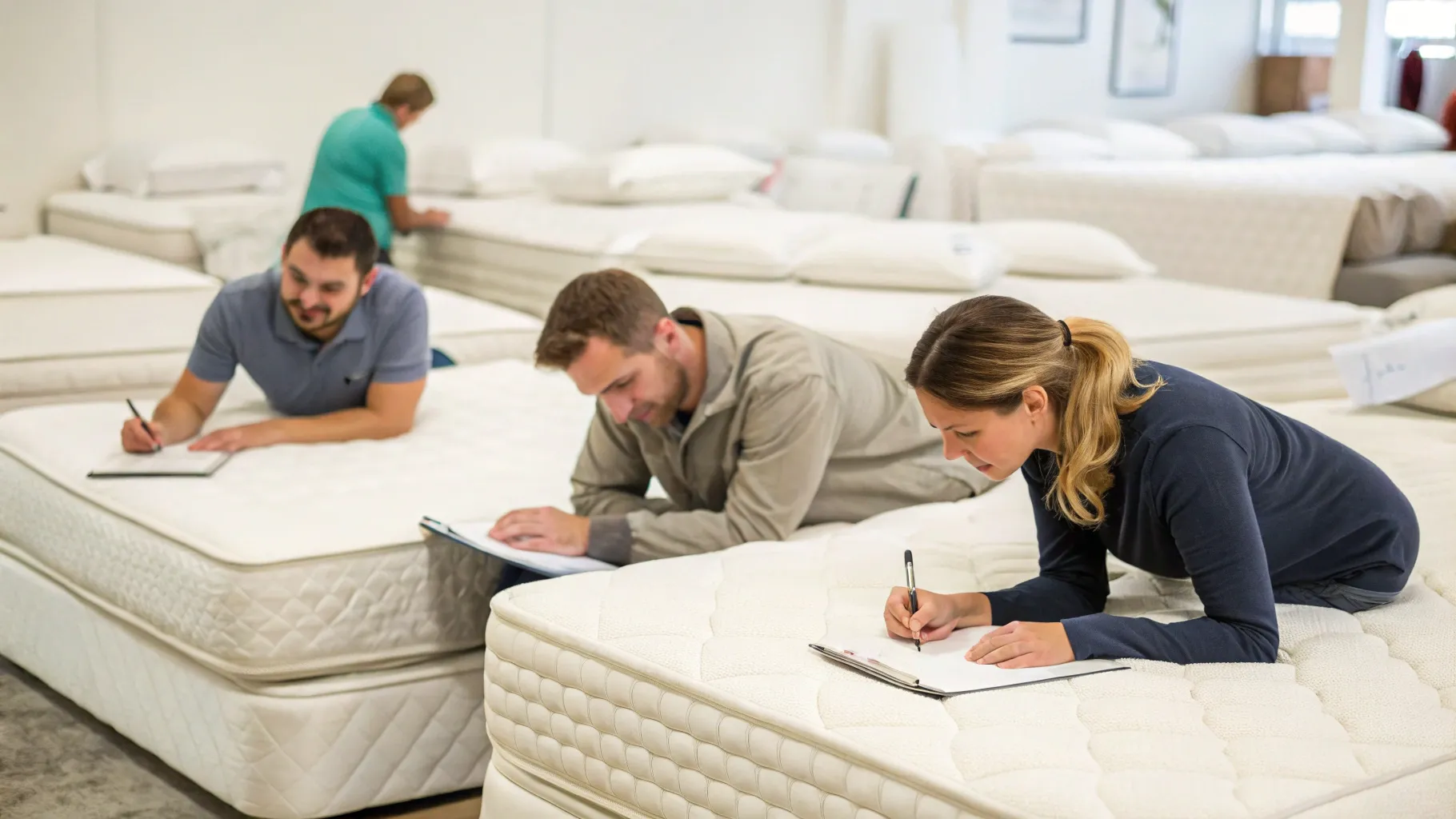
A product testing team has completed an in-depth assessment of Birch mattresses, examining comfort, pressure relief, cooling, and other performance factors to guide shoppers. The review, conducted over a dedicated testing period, aims to help buyers understand how the beds perform in real-world use and under comparable conditions.
The effort comes as mattress buyers weigh feel, support, and temperature control alongside price and sustainability claims. Birch, known for natural materials and a direct-to-consumer model, faces a crowded field of foam, latex, and hybrid competitors. Independent testing offers a clearer view of how these beds stack up for different sleepers.
What the Team Assessed
Our team tested Birch mattresses for comfort, pressure relief, cooling and more in our in-depth Birch mattress review.
Comfort testing looks at how a mattress feels during short and long sleep sessions. Testers commonly observe surface softness, lumbar support, and overall ease of movement. Pressure relief checks for tension at the shoulders, hips, and lower back, with attention to side sleepers who often need more cushion at contact points. Cooling reviews whether the bed traps body heat during the night, which can affect sleep quality.
While full results are pending publication, the team’s focus suggests attention to key shopper concerns:
- Comfort across sleep positions
- Pressure relief at common pain points
- Cooling performance during extended use
- Other factors that influence nightly support
Why These Factors Matter
Pressure buildup can lead to numbness and morning aches. Better pressure relief may help side sleepers and people with joint sensitivity. Comfort is broader. It covers firmness feel, support under the lower back, and how the mattress responds when a sleeper shifts positions.
Cooling has grown more important as many foam-heavy beds tend to retain heat. For hot sleepers and those in warmer climates, a cooler sleep surface can improve rest and reduce waking during the night. Balanced performance in these areas can also extend mattress satisfaction over several years.
Context in a Crowded Market
Mattress shopping has shifted online, bringing more models with trial periods and home delivery. That shift makes independent testing useful because product pages often emphasize similar benefits. Shoppers now compare hybrid builds, latex layers, and foam densities, each with trade-offs for support, motion isolation, and breathability.
Birch has built recognition for using natural and recycled materials. Buyers who prioritize materials still need to weigh how the bed performs. For example, latex hybrids often sleep cooler than all-foam beds but may feel springier. Foam-forward designs can contour well but may run warmer. Objective testing helps clarify these differences without marketing spin.
What Shoppers Should Watch For
When the full results arrive, readers may want to look for plain-language takeaways. Details that often help include firmness ratings on a simple scale, notes on performance for side, back, and stomach sleepers, and any observed temperature trends overnight. Observations on edge support and motion transfer can also guide couples and those who sit at the side of the bed.
Clear pros and cons help match sleepers to the right model. A mattress that excels at cooling may feel firmer. A model with deeper contouring may suit lighter side sleepers but not heavy stomach sleepers. Fit matters more than broad claims.
What Comes Next
The team is expected to publish findings that break down performance by category, with practical advice on who each model might suit best. That guidance can narrow choices for shoppers who have delayed buying due to confusing claims or too many options.
As more brands promote natural materials and advanced cooling features, independent testing will remain important. Buyers increasingly want proof that a mattress can keep them comfortable, reduce pressure, and stay cool through the night. Detailed data and clear guidance can make that decision easier.
The upcoming review should add needed clarity. It will show how Birch performs on the factors many people care about most, helping shoppers pick a bed that fits their sleep, not just the label.