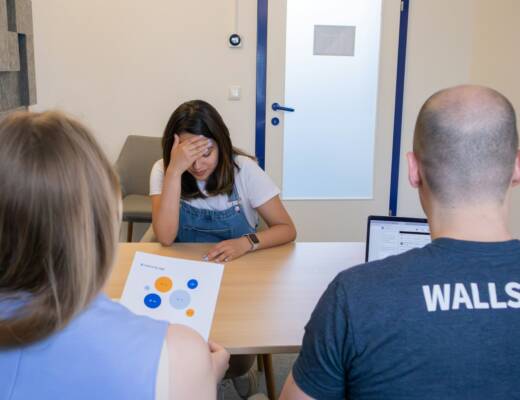
By the time most people start their second coffee, you have already made more decisions than they will all day. Pricing tweaks. Hiring calls. Feature tradeoffs. Investor emails you keep rewriting. The problem is not that you are bad at deciding. It is that the volume never stops. Over time, even strong founders start defaulting to the safest option or procrastinating entirely, not because they are lazy but because their mental bandwidth is gone.
Decision fatigue is one of the quiet killers of early stage momentum. I have seen founders with great products stall simply because every choice felt heavy. Sam Altman has talked publicly about how simplifying decisions early in the day protects energy for what actually matters. Sara Blakely built routines specifically to reduce daily cognitive load while scaling Spanx. This playbook is about how founders actually do that in the wild, not theory, not hustle porn, but practical ways to protect your judgment when everything depends on it.
1. You Ruthlessly Reduce Low Leverage Decisions
The strongest founders I know obsess over which decisions deserve their energy. They do not waste mental cycles on Slack notification settings or what tool to test next if the upside is marginal. Instead, they standardize aggressively. Same breakfast. Same meeting cadence. Same criteria for saying no. This is not about being boring. It is about protecting your best thinking for decisions that move revenue, retention, or runway. When everything feels urgent, this discipline quietly separates operators from overwhelmed dreamers.
2. You Decide Once, Then Systematize
Early on, everything feels custom. But founders who avoid burnout treat decisions as assets. Once they choose a hiring bar, a pricing philosophy, or a customer segment, they document it and reuse it. Brian Chesky has shared how Airbnb codified principles so teams could decide without him. This matters because re deciding drains confidence. When you trust your past thinking, you free yourself to focus forward instead of second guessing yesterday.
3. You Build Constraints That Force Clarity
Unlimited options feel empowering until they paralyze you. Strong founders intentionally limit choice. They set decision windows. They cap tool evaluations at three options. They time box debates. A YC partner once told a batch that most startup decisions are reversible within 90 days. Treating them that way speeds everything up. Constraints reduce anxiety because they turn vague stress into a clear next move, even if it is imperfect.
4. You Separate Thinking Time From Execution Time
One pattern I see repeatedly is founders trying to decide while in the middle of reacting. That never ends well. High performing founders block quiet time to think when no one is asking them questions. That might be a weekly walk, a founder only morning, or an offline planning block. Jeff Bezos famously scheduled time to think deeply before major bets. The lesson is simple. Decisions made in reactive mode are usually conservative and short sighted.
5. You Use Default Decisions for the Obvious Stuff
Not everything needs debate. Should you reply to every inbound partnership email? No. Should you take meetings without a clear agenda? Probably not. Founders who scale build defaults. Default no to distractions. Default yes to customer conversations. Default to shipping over polishing. One SaaS founder I worked with cut weekly meetings from 14 to 6 by applying defaults and reclaimed nearly 8 hours a week. That reclaimed energy showed up directly in product velocity.
6. You Accept That Some Decisions Will Be Wrong
Decision fatigue gets worse when you expect perfection. Founders who last understand that mistakes are part of the job, not a personal failure. They make the best call with the information they have, then move. Reid Hoffman often says that if you are not embarrassed by your first product, you shipped too late. The same logic applies to decisions. Speed plus learning beats endless optimization, especially when runway is finite.
7. You Protect Your Energy Like a Strategic Resource
This is the least tactical and most important habit. Decision quality tracks directly with sleep, stress, and emotional regulation. Founders who treat themselves like machines burn out fast. The ones who endure treat energy like capital. They schedule workouts. They say no to late night Slack wars. They recognize when they are depleted and delay non urgent decisions. This is not self care fluff. It is operational discipline when your brain is the bottleneck.
Closing
Decision fatigue is not a personal weakness. It is a predictable side effect of building something from nothing. The founders who win long term are not superhuman. They are intentional about where their judgment goes. If you take one step this week, remove a single low leverage decision from your plate and notice the relief. Clarity compounds faster than hustle ever will.