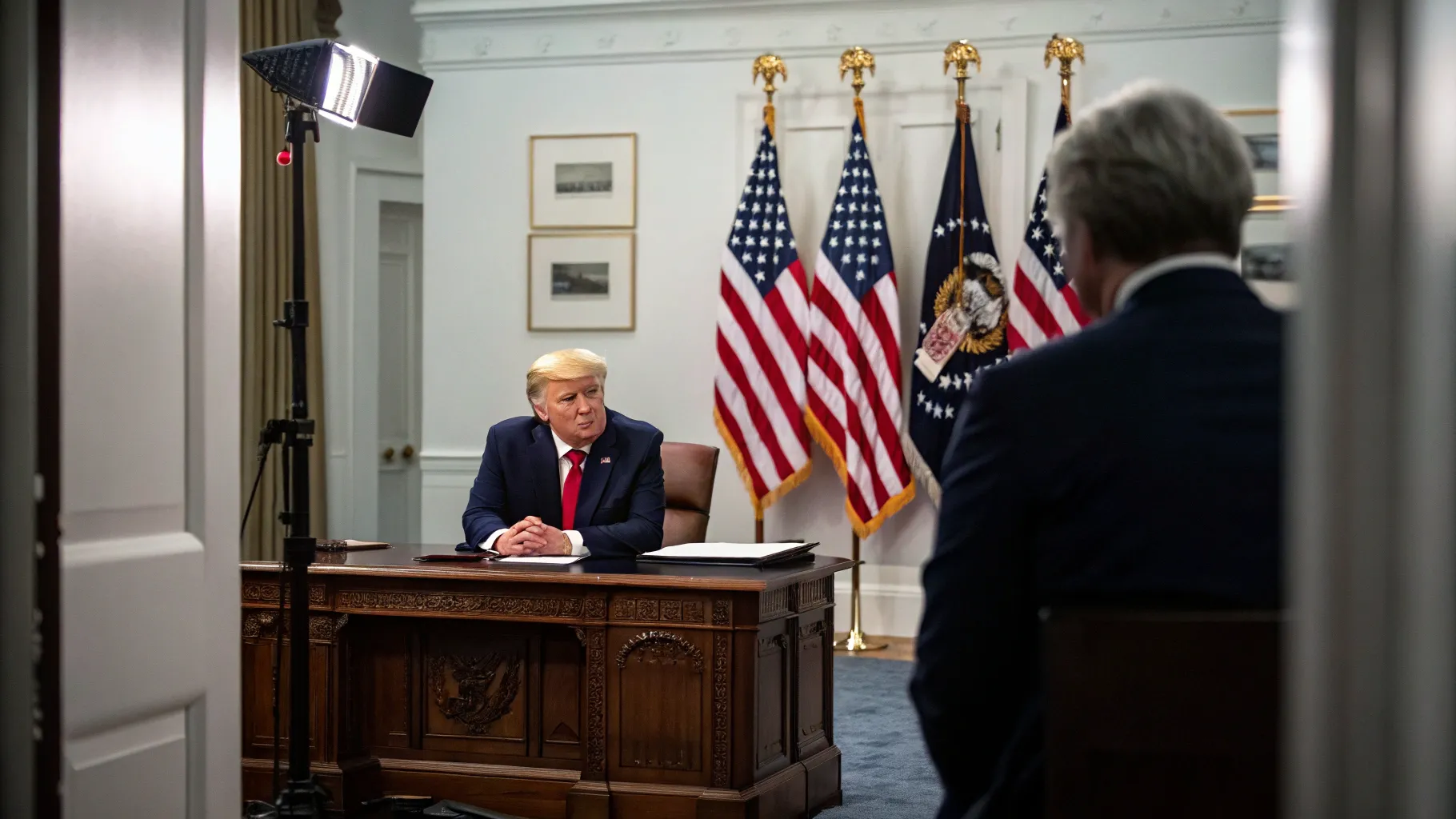
President Donald Trump is starting the final round of interviews for the next Federal Reserve chair this week, reviving a process that began in the summer. The move signals that the White House is close to naming the person who will steer U.S. interest rates and oversee the central bank’s response to growth and inflation. The decision, expected soon, will shape borrowing costs, job growth, and financial markets for years.
“President Donald Trump will begin the final interviews of candidates for the Federal Reserve chair this week, putting back on track the formal selection process that began this summer.”
Why the Decision Matters
The chair of the Federal Reserve serves a four-year term and is the public face of U.S. monetary policy. The chair leads the Federal Open Market Committee, which sets short-term interest rates and guides expectations through policy statements and press briefings. A change in leadership can influence mortgage rates, business investment, and the dollar.
Markets often react to hints about the next chair because each candidate may have different views on inflation, employment, and financial regulation. Investors tend to look for clues in past speeches, voting records, and policy papers. Even small shifts in tone can move bond yields and stock prices.
Background: A Process Months in the Making
White House vetting began earlier in the summer as aides gathered resumes, conducted background checks, and consulted lawmakers and economists. Final interviews mark the last step before the President makes a choice and sends a nomination to the Senate. The Senate then holds hearings and votes on confirmation.
In past transitions, candidates have included former Fed governors, sitting governors, and senior economic officials. Presidents often balance continuity with their own policy priorities, weighing the need for steady inflation control against goals for growth and employment.
The Shortlist and What the President May Weigh
While the White House has not released an official list, prior searches have focused on candidates with deep central banking experience and strong market credibility. The selection often turns on a few core factors:
- Experience: Time served at the Fed or in top economic policy roles.
- Policy Signals: Views on inflation, rate hikes, and balance sheet decisions.
- Regulation: Approach to bank oversight and post-crisis rules.
- Communication: Ability to explain complex policy in plain terms.
A choice seen as favoring faster rate increases could tighten financial conditions, while a continuity pick might keep gradual moves in place. A chair who supports lighter regulation could be welcomed by banks but draw scrutiny from consumer advocates.
What It Means for Households and Businesses
The Fed’s rate path affects daily life. Higher rates can increase credit card and auto loan costs. They can also cool housing demand by lifting mortgage rates. For businesses, borrowing becomes more expensive, which can slow expansion and hiring.
On the other hand, keeping rates lower for longer can support job growth and keep financing costs down. But it risks allowing inflation to rise if the economy overheats. The next chair will need to balance these trade-offs with clear, steady guidance.
Signals to Watch
Investors will track any comments from the White House about timing and direction. They will also look for consistency with recent Fed statements on inflation and employment. A candidate with a record of favoring data-driven policy may reassure markets that sudden policy shifts are unlikely.
Historically, continuity has helped stabilize expectations. Even when chairs change, the institution relies on the staff’s research and committee voting to maintain a steady path. That institutional design reduces the risk of sharp swings in policy.
The Road to Confirmation
Once a nominee is announced, the Senate Banking Committee typically holds hearings that cover monetary policy, regulation, and crisis readiness. Senators will likely press the nominee on inflation risks, wage growth, and the Fed’s balance sheet. A successful confirmation would allow a smooth handoff before key policy meetings.
Any delay could add uncertainty and complicate planning for businesses and households. That is why restarting final interviews is seen as an important step toward a timely decision.
The White House move signals that a choice is near. Markets will parse every detail for clues about future policy. The next chair will inherit a demanding job: keep inflation in check, support stable growth, and communicate with clarity. Watch for a nomination soon and for confirmation hearings that lay out the policy path for the year ahead.