President Donald Trump’s nominee to lead the Federal Reserve is signaling a sharp break from Chairman Jerome Powell on the risk of inflation, raising the prospect of a policy shift at the nation’s most powerful economic institution. The divergence, discussed in Washington as the next leadership choice comes into focus, could shape interest rates, jobs, and borrowing costs for years.
The core issue is how soon and how forcefully the central bank should act if inflation cools or re-accelerates. With growth, jobs, and financial stability on the line, the stakes are significant for households and markets alike.
Why Inflation Views Matter Right Now
The Federal Reserve’s mandate is to achieve maximum employment and stable prices. That balance depends on how policymakers judge inflation risks. If they see prices rising too fast, they raise rates to slow demand. If they see inflation fading, they may cut rates to support growth.
Under Jerome Powell, the Fed moved quickly in 2022 and 2023 to counter the sharpest price spikes in four decades. That campaign cooled inflation from its peak, though price growth at times remained above the central bank’s 2 percent goal. Since then, officials have weighed how long to keep policy tight to avoid a resurgence.
A new leader who reads those risks differently could change the path of rates, the pace of balance sheet runoff, and how the Fed communicates its tolerance for inflation overshoots or undershoots.
A Clear Break From Powell
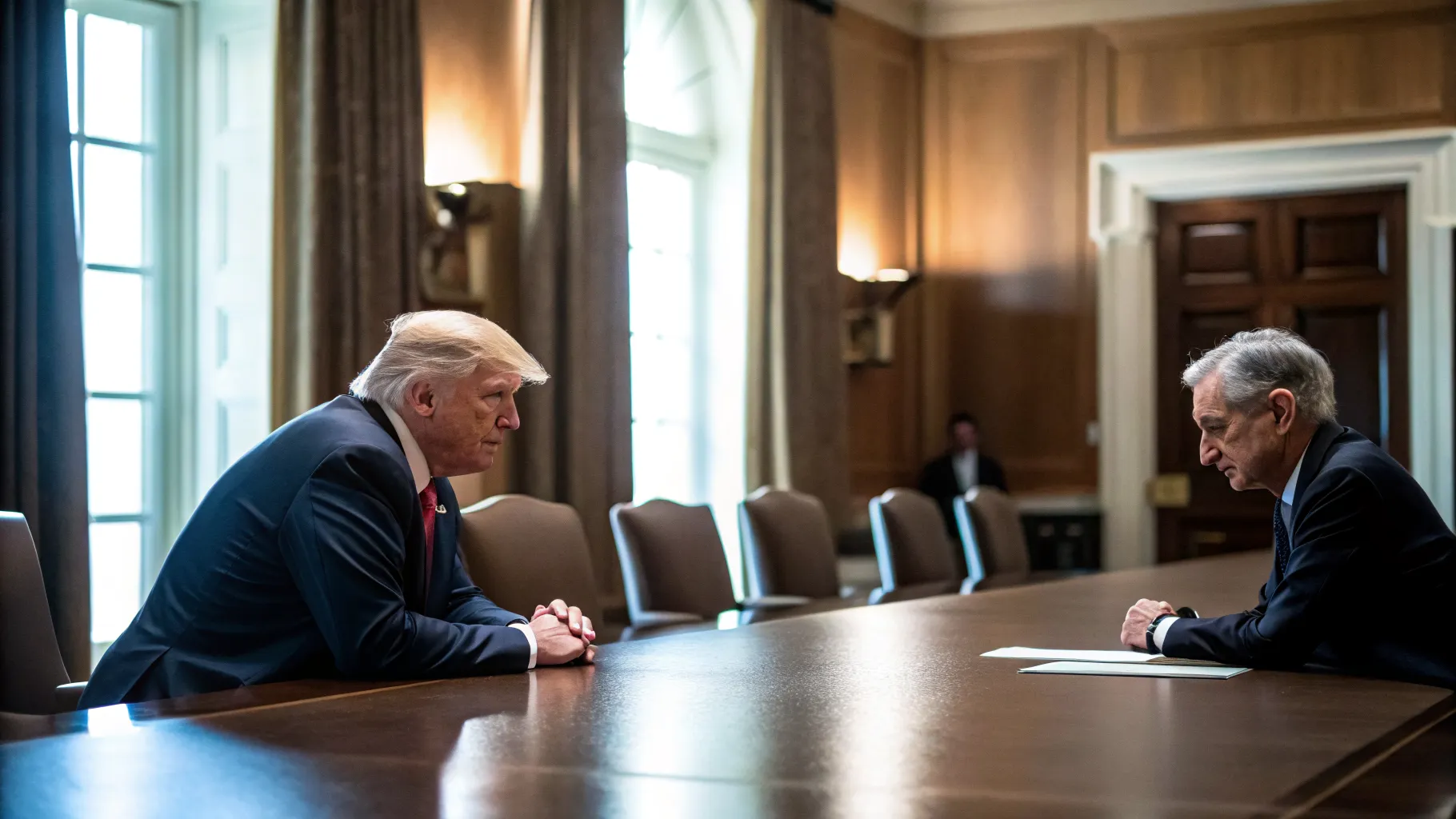
“President Donald Trump’s choice to lead the Federal Reserve sees inflation risk very differently than Chairman Jerome Powell.”
That contrast suggests the nominee may favor a different mix of policies. The specific approach remains unclear, but two broad possibilities stand out. A leader more worried about renewed price pressures could keep rates higher for longer. A leader more worried about weak demand could support earlier cuts to avoid a growth slump.
What A Shift Could Mean For Households And Markets
Interest rate policy feeds directly into daily life. Mortgages, auto loans, and credit card rates move with Fed decisions. Corporate borrowing costs do, too. A tougher stance on inflation could slow price growth faster, but at the risk of cooler hiring and slower wage gains. A looser stance could support jobs and investment, but with the risk that inflation lingers.
- Higher-for-longer rates often weigh on home sales and business investment.
- Earlier cuts can lift markets and credit-sensitive sectors but may test price stability.
- Clear guidance reduces volatility; surprises can spark sharp market moves.
Reading The Playbook: Policy Tools And Signals
The next chair will guide rate decisions and the size of the Fed’s balance sheet. How they frame risks in press conferences, policy statements, and forecasts will matter. Observers will watch for clues in:
- The Summary of Economic Projections and rate “dot plot.”
- Comments on wage growth, housing costs, and services inflation.
- Views on financial stability and bank funding conditions.
History shows how chair priorities can reshape policy. Paul Volcker fought entrenched inflation in the early 1980s with steep hikes. Ben Bernanke and Janet Yellen focused on recovery and gradualism after the financial crisis. Powell front-loaded increases to address the post-pandemic surge, then shifted to data dependence. A new chair’s framework could again recalibrate the balance.
Competing Views On Risk
Supporters of a tighter stance argue that easing too soon can let price pressures flare again, forcing harsher action later. They point to periods when inflation expectations drifted higher and became harder to anchor. Others warn that keeping policy too tight risks a sharper slowdown, with job losses that hit lower-income workers first.
Both camps agree on one point: credibility matters. If the public trusts the Fed to keep prices stable, inflation is easier to control, and the economy can run stronger for longer.
The choice of a new Fed chair comes at a delicate moment, with inflation improved from its peak but not guaranteed to stay low. The nominee’s different reading of risk signals a possible turn in policy tone and tools. Hearings and early speeches will offer the first real test of how that view translates into decisions. Investors, employers, and households should watch the data on prices and jobs, and listen closely for how the next leader weighs those signals. The path of rates—and the strength of the recovery—may hinge on that judgment.