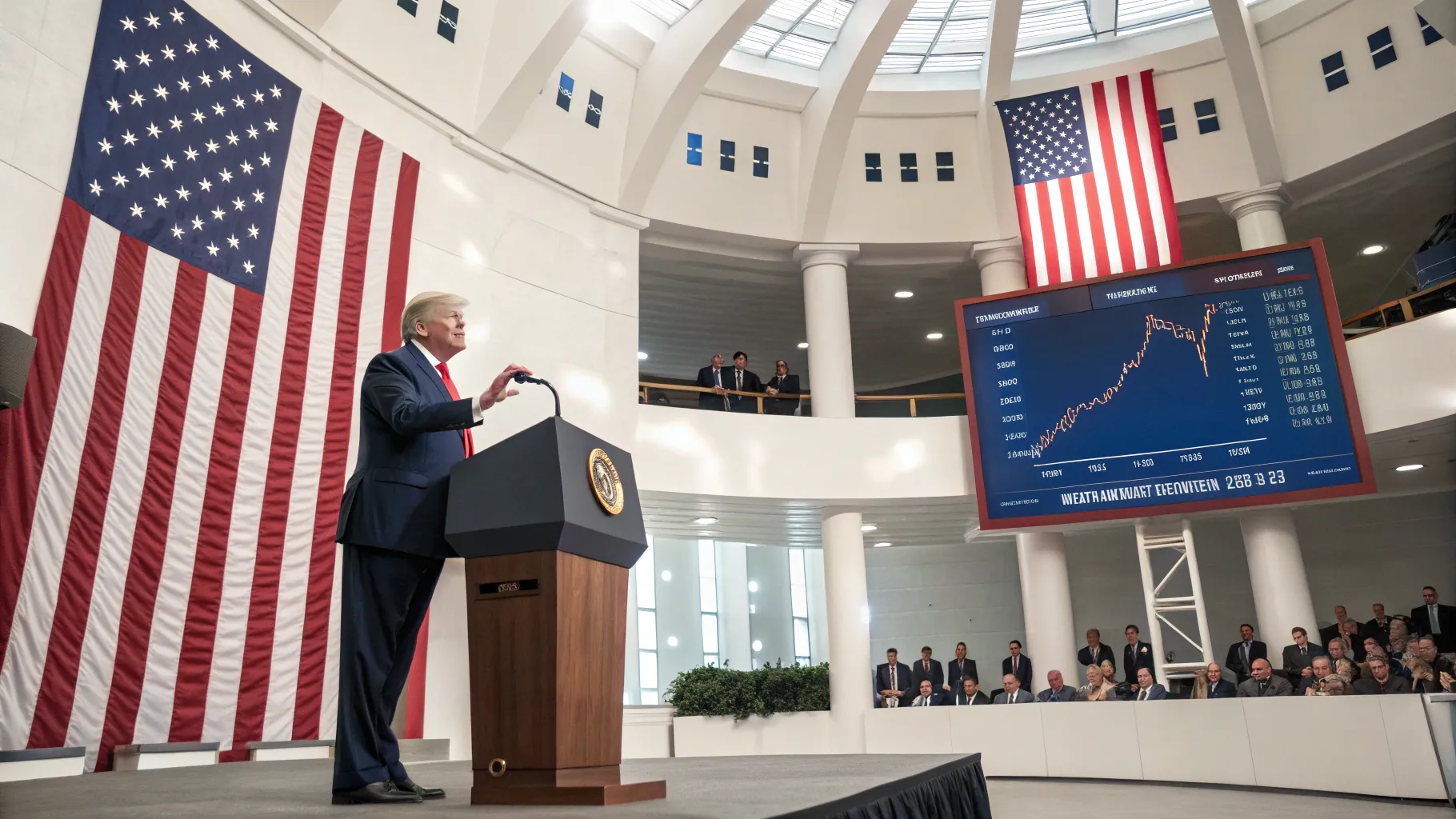
Political crosswinds are intensifying as a string of White House setbacks competes with a renewed push by Donald Trump to center the race on pocketbook issues. In recent appearances, he has highlighted a drug-pricing initiative, stock market gains, and easing inflation as proof points for his case to voters. The contrast sets up a sharp fight over which story line will define the final stretch of the campaign.
“A series of setbacks for the White House is drawing focus even as Trump touts a drug-pricing initiative, stock market gains, lower inflation as political wins.”
Competing Narratives Take Shape
The contest now turns on which narrative resonates. One track spotlights stumbles for the White House, fueling questions about policy execution and communication. The other centers on the economy, where Trump argues his approach would keep markets strong and costs in check. Both themes appeal to core voter concerns: competence and cost of living.
Republicans see an opening to press the advantage on inflation, even as headline figures have eased from earlier peaks. They argue that prices remain high compared to a few years ago and that households still feel squeezed. Democrats point to signs of cooling inflation and steady hiring as proof that conditions are improving, though they concede that progress can feel slow.
Drug Prices Move to the Fore
By pushing a drug-pricing initiative, Trump is tapping into broad support for lower prescription costs. While details are limited, the focus signals an attempt to claim ground on a pocketbook issue that cuts across party lines. Voters rank drug costs among their top health concerns, and prior efforts in Washington have targeted negotiations, rebates, and caps on out-of-pocket expenses.
Policy experts caution that the design of any plan matters as much as the headline. They say savings can depend on which drugs are included, how prices are set, and whether insurers pass savings on to patients. The politics are straightforward; the policy is not. But even a modest plan can carry weight if it offers near-term relief for common medications.
- Trump’s message centers on lower prescription costs.
- He links market gains to confidence in management of the economy.
- He frames easing inflation as proof of momentum.
Economic Messaging Meets Voter Reality
Market gains and inflation trends give campaigns talking points, but voters judge the economy by rent, groceries, and gas. Some independent voters may credit falling inflation rates, while others remain focused on high cumulative price increases. That split gives both parties reasons for optimism and concern.
Strategists in both camps say the risk is overpromising. If markets dip or inflation flares again, messages tied tightly to those indicators can backfire. The safer bet, they argue, is to pair optimism with practical steps, such as targeted relief on drug costs and clear plans for energy, housing, and supply chains.
White House Headwinds and the Optics Battle
Setbacks at the White House can dominate news cycles even when economic data improve. Missed deadlines, policy reversals, or unexpected crises can crowd out other achievements. Republicans seize those moments to question management. Democrats respond by stressing progress and urging patience.
The optics matter. Sustained headlines about stumbles can harden voter views. To counter that, officials often try to center tangible wins, such as lower prices at the pharmacy or signs of easing inflation. The tug-of-war over attention is as important as the policies themselves.
What to Watch Next
Several tests lie ahead. The drug-pricing push will face scrutiny on scope, timing, and who benefits first. Economic data releases will shape the argument over costs and wages. Market swings could either reinforce Trump’s message or weaken it, depending on direction and scale. And the White House will try to steady the narrative with visible policy follow-through.
If the economy keeps cooling without a sharp slowdown, both sides will claim credit. If prices or markets turn, the message may shift to resilience and risk management. Either way, voters will look for concrete proof in their monthly bills.
The campaign now hinges on execution. Trump is betting that a clear economic pitch and a push on drug prices can cut through. The White House must show steadiness and deliver near-term gains that people can feel. The outcome may rest on which side turns its case into results that reach kitchen tables before ballots are cast.