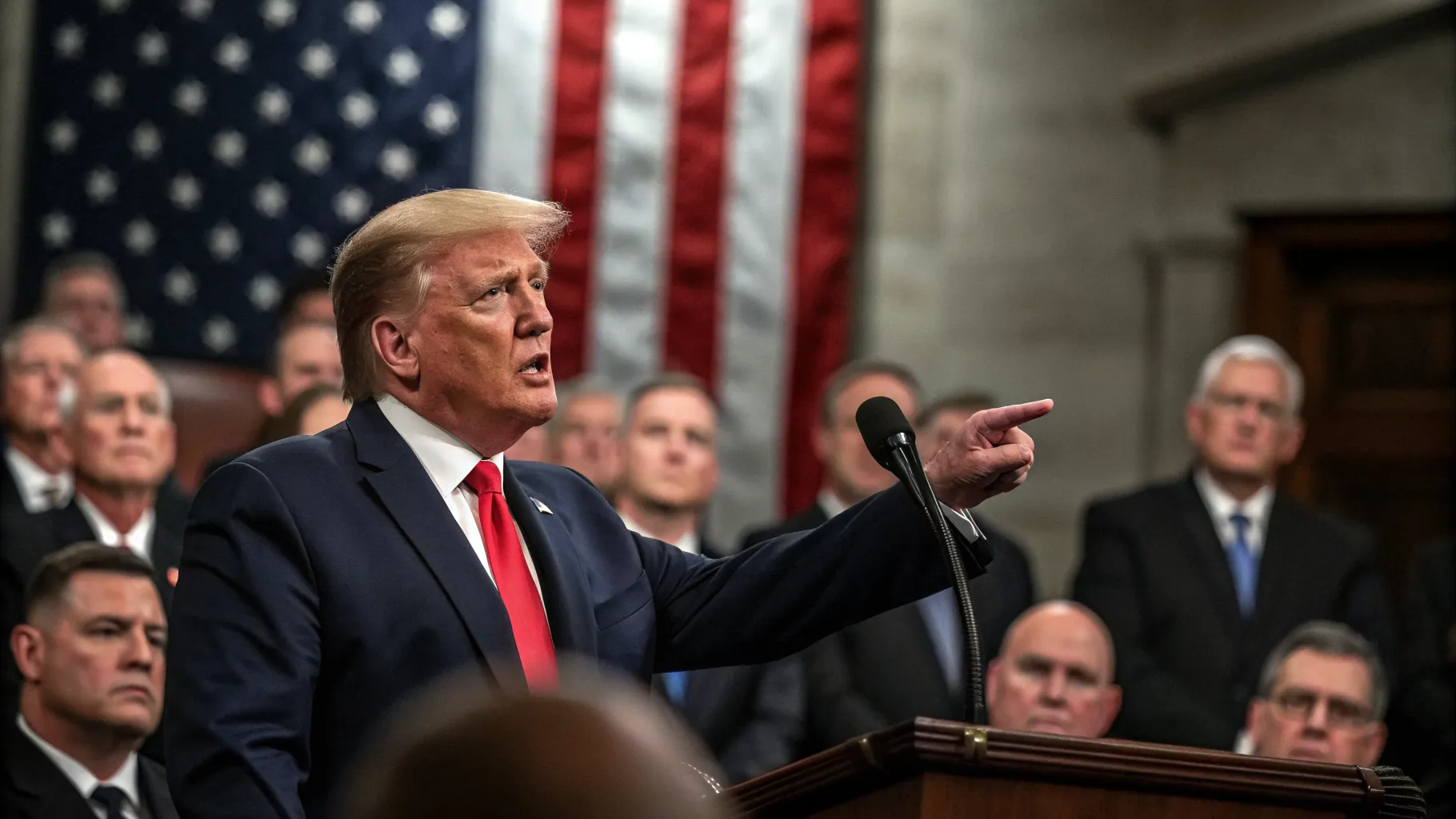
President Donald Trump issued a sharp warning to Iran, saying any attack from Tehran would draw a response “far worse” than last June’s U.S. airstrikes on nuclear sites.
The comments signal a new round of tension between Washington and Tehran.
They raise questions about military planning, diplomatic options, and how regional allies might be drawn in.
“Far worse” than the U.S. airstrikes that targeted Iran’s nuclear facilities last June.
Background On A Long-Running Standoff
Relations between the United States and Iran have swung between confrontation and cautious contact for decades.
The 2015 nuclear deal, known as the JCPOA, set limits on Iran’s nuclear program in exchange for sanctions relief.
The United States exited the deal in 2018 under President Trump and reimposed sanctions.
Since then, Iran has expanded its nuclear activities and moved away from many deal limits.
International inspectors have reported enrichment levels up to 60 percent, far above the 3.67 percent cap set by the agreement.
Diplomacy has stalled, while incidents at sea, drone strikes, and cyber operations have become more frequent.
Against this backdrop, last June’s strikes marked a new phase, targeting nuclear-linked facilities rather than proxy forces.
What The Warning Signals
Trump’s warning suggests the United States is prepared to escalate if it detects a direct attack from Iran.
Such statements are meant to deter adversaries.
They also carry risk if misread by the other side.
Military planners often balance punishment with control of collateral damage and escalation.
Any larger campaign could aim at command-and-control nodes, air defenses, missile units, and additional nuclear infrastructure.
It could also involve cyber operations and maritime interdictions.
Analysts caution that broader action might invite retaliation across the region.
Regional Stakes And Possible Responses
U.S. allies in the Gulf and Israel view Iran’s missile and drone programs as the top threat.
They may back tougher action if they believe it reduces risk to their cities and energy assets.
They also fear wider war that disrupts shipping in the Strait of Hormuz.
Iran has shown it can respond through proxies and with precision strikes of its own.
Targets could include U.S. forces in the region, commercial shipping, and energy facilities.
Any exchange would drive up oil prices and rattle global markets.
- Gulf shipping lanes carry a large share of global oil exports.
- Energy price spikes can raise inflation and slow growth worldwide.
Domestic Pressures On Both Sides
U.S. leaders face pressure to show strength while avoiding a drawn-out conflict.
Congressional reactions often divide along party lines on sanctions, diplomacy, and use of force.
Iran’s leadership also weighs domestic politics.
Hard-liners argue that resistance yields leverage.
Economic pain from sanctions, however, has fueled public frustration.
These pressures narrow room for compromise.
Nuclear Program And Red Lines
Washington has long stated it will not allow Iran to develop a nuclear weapon.
Tehran says its program is for peaceful purposes.
The gap has widened as enrichment rose and oversight declined.
Talks over a “less-for-less” arrangement have stumbled.
Without inspections at past levels, suspicion grows on both sides.
A heavier military strike, if it comes, may aim to degrade capabilities and reset deterrence.
What Analysts Are Watching Next
Experts are tracking signals that might show a near-term shift.
- Changes in force posture by U.S. naval and air assets.
- Iranian proxy activity in Iraq, Syria, Lebanon, and Yemen.
- Satellite imagery of nuclear and missile sites.
- Oil prices and insurance rates for tankers in the Gulf.
- Diplomatic contacts through European or regional intermediaries.
A path to de-escalation would likely require quiet channels and clear limits on both sides.
Confidence-building steps could include restraint on proxy attacks and greater access for inspectors.
Trump’s warning raises the stakes and sets a hard line.
It may deter action by Tehran, or it could spark a cycle of move and counter-move.
The coming weeks will test whether signals of strength lead to talks or to another round of strikes.
Markets, militaries, and civilians across the region will be watching for the next clue.