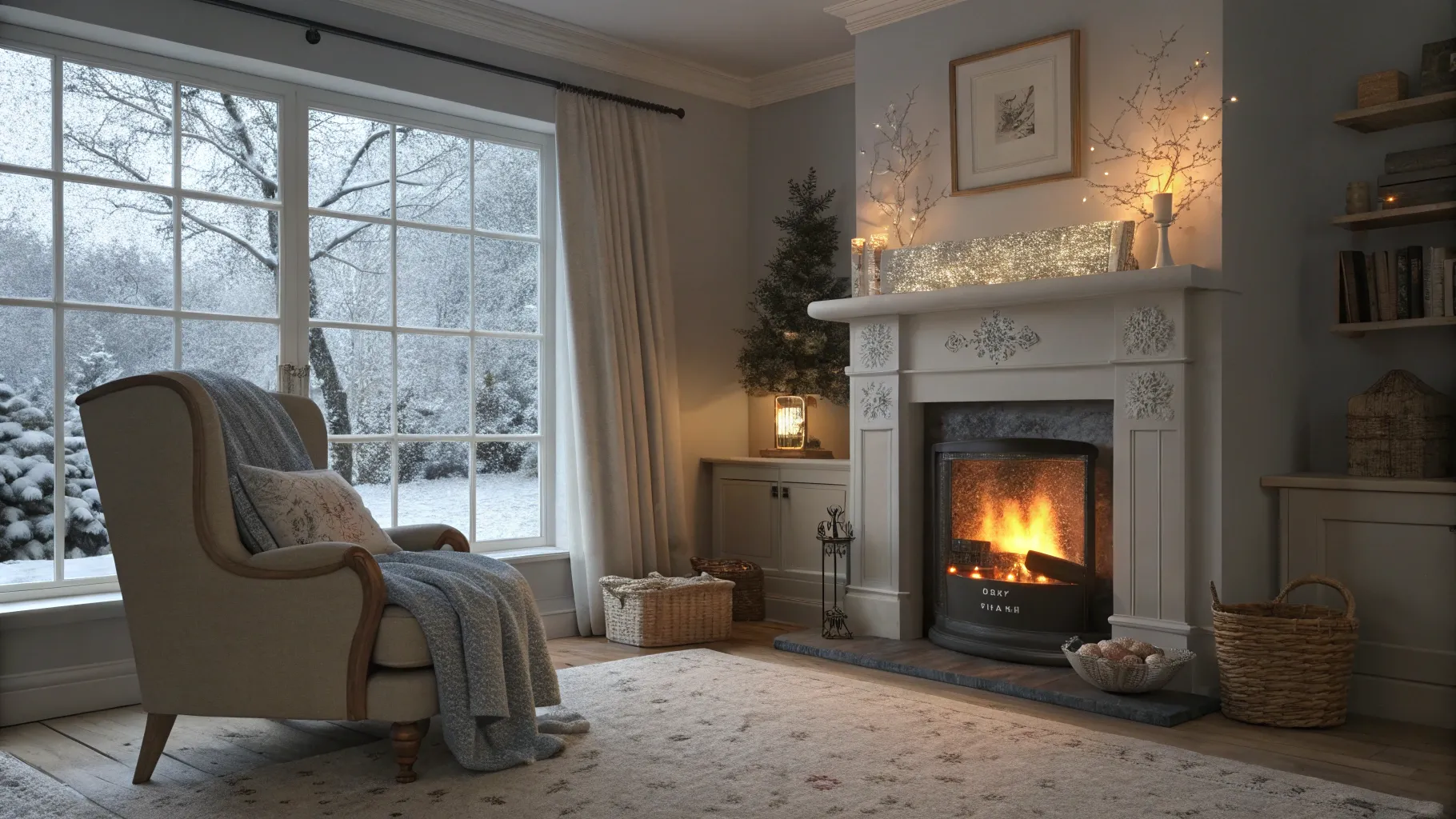
As a cold snap spreads across the UK, health officials and energy advisers are urging households to heat homes safely and steadily to avoid illness and accidents. The focus is on simple steps that protect older people, young children, and those with long-term conditions, while keeping bills under control.
Public health guidance in Britain advises keeping living spaces warm, dressing in layers, and checking on neighbours who may be at risk. Fire services and gas engineers caution against risky shortcuts, such as using outdoor heaters or ovens to warm rooms.
Why Cold Weather Poses Health Risks
Cold indoor temperatures increase the risk of heart attacks, strokes, and respiratory infections. People with asthma or COPD can find symptoms worsen. Older adults lose body heat faster and may not feel cold until their temperature drops too low.
Health agencies say a steady indoor temperature helps the body cope with low outdoor temperatures. Warmth reduces strain on the heart and lungs and lowers the risk of hypothermia. The advice is simple: heat the rooms you use most and keep indoor air dry and clean.
Key Question On Many Minds
“As temperatures fall across much of the UK, how should you heat your home and keep yourself safe?”
Experts point to a mix of basic heating, good ventilation, and safe use of equipment. They also recommend planning ahead for power cuts and checking eligibility for support schemes.
Heating Strategies That Balance Comfort and Cost
Health bodies in the UK advise keeping the living room or main room warm during the day, and bedrooms comfortable at night. If full-home heating is not possible, focus on the rooms used most, and close doors to keep heat in.
- Set the thermostat to a steady, moderate level rather than short bursts of high heat.
- Use draft excluders and thick curtains to reduce heat loss.
- Dress in layers, including thermal socks and a hat if needed.
- Keep active indoors to generate body heat, if health allows.
Condensation can cause damp and mold, which irritate airways. Short, regular ventilation helps. Open trickle vents or crack a window for a few minutes after showers or cooking. Keep bathroom and kitchen doors closed during these times.
Safety First: Boilers, Heaters, and Alarms
Fire and rescue services warn that heaters and open flames can lead to fires or carbon monoxide poisoning if misused. They stress routine checks and safe placement of devices.
- Test smoke and carbon monoxide alarms. Replace batteries if needed.
- Keep anything that can burn at least one meter from heaters.
- Do not use ovens or barbecues to heat rooms.
- If using electric blankets, follow the manual and do not run other heaters on top.
- Have boilers and flues serviced by a qualified engineer.
If you smell gas or feel dizzy, nauseous, or have headaches near fuel-burning appliances, move to fresh air and seek help. Carbon monoxide is invisible and has no smell. Alarms are the best early warning.
Support Available For Those Struggling
Charities and advice services say many households are still worried about costs. Some residents may qualify for bill support or one-off discounts during cold periods. Pensioners and low-income households may have access to winter schemes and targeted help.
Citizens advice groups recommend checking eligibility for energy rebates, winter benefits, and local council hardship funds. Energy suppliers may offer payment plans or grants. Insulation upgrades and draft proofing can also cut bills and improve comfort.
Preparing For A Prolonged Cold Spell
Simple checks can prevent disruption. Lag outdoor pipes to avoid bursts. Know where the stopcock is and how to turn off water. Keep a small emergency kit at home with blankets, a torch, spare batteries, and necessary medicines.
Community groups encourage neighbours to check on people living alone. A quick call or visit can help spot heating failures, illness, or a lack of supplies.
What To Watch In The Days Ahead
Forecasters will update warnings as the cold snap develops. Health services may issue alerts when temperatures fall for several days. Local councils often open warm spaces during severe weather.
Households are watching energy use, and policymakers are monitoring demand on the grid. Advice may shift if outages occur or if snow disrupts transport and deliveries.
The message is steady and practical: keep main rooms warm, use heaters safely, and seek help if you are struggling. Basic steps can reduce illness, lower accident risks, and protect those most at risk during a UK cold spell. In the coming days, check weather alerts, review your heating plan, and support neighbours who may need extra help.