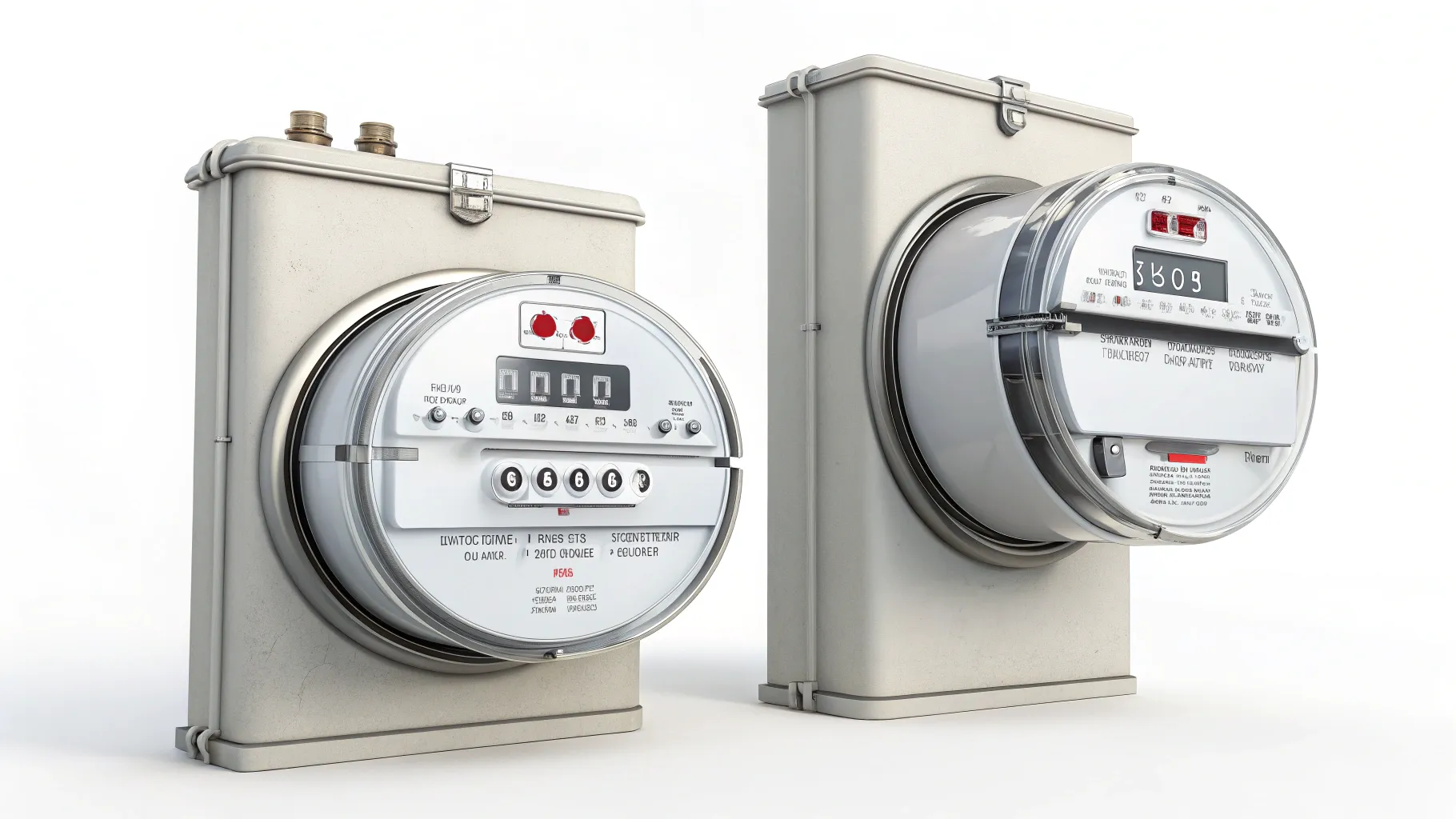
Typical household gas and electricity bills are set to edge higher in October as a new energy price cap takes effect across Great Britain.
The cap, set by regulator Ofgem, limits the unit price suppliers can charge for standard variable tariffs. It resets every three months. The October change reflects wholesale energy costs seen over the summer and early autumn.
Typical gas and electricity bills will rise slightly in October when a new energy price cap begins.
The adjustment matters for millions of households on default tariffs. It will not affect those on fixed-rate deals until those contracts end.
What Is Changing and Why It Matters
The energy price cap acts as a ceiling on the price per unit of gas and electricity, plus standing charges. It does not cap the total bill. Households pay for what they use.
When the cap goes up, monthly costs rise for those on standard variable tariffs. When it falls, bills ease. The October increase signals modest upward pressure from wholesale markets.
Analysts link the movement to gas price volatility in Europe, maintenance outages, and storage dynamics. Seasonal demand patterns also play a role as the heating season approaches.
Recent History and Market Context
The cap has moved frequently since the energy shock of 2021–2022. Bills surged after Russia’s invasion of Ukraine tightened global gas supply. The government then introduced temporary support to blunt the impact.
Wholesale prices cooled through parts of 2023 and early 2024, bringing the cap down from its peak. But prices remain higher than pre-2021 levels, leaving household budgets under strain.
Forecasts earlier this year pointed to a small rise in October after a fall in the summer quarter. The new cap aligns with those expectations, signaling cautious market conditions rather than a sharp spike.
Who Will Feel the Impact
Households on standard variable tariffs will see the change first. Prepayment customers are typically covered by the cap too, though their usage patterns differ.
Fixed-rate customers are shielded until their deals end. Many fixed offers still track market movements, so new fixes may reflect the latest cap levels.
- Standard variable tariffs: Bills adjust automatically in October.
- Fixed deals: No change until contracts expire.
- Usage: Higher consumption leads to higher total costs.
Consumer Advice and Support
Consumer groups advise checking eligibility for help such as the Warm Home Discount and Winter Fuel Payment. Local councils may offer hardship funds for those struggling.
Practical steps can trim usage without major expense. Small changes add up over a winter season.
- Turn down the boiler flow temperature for gas combi boilers.
- Use a timer and thermostatic radiator valves to heat only occupied rooms.
- Seal drafts and improve insulation where possible.
- Compare fixed tariffs to see if a switch makes sense.
Industry Outlook and Risks
Suppliers face continued uncertainty from wholesale costs and network charges. They argue that predictable regulation helps manage risk and stabilize pricing.
Market watchers warn that winter weather, global LNG supply, and geopolitical tensions could sway prices. Gas storage levels in Europe are healthy, but not a guarantee against shocks.
More domestic renewable generation and flexible demand may help moderate future volatility. However, investment timelines are long, and near-term bills remain tied to gas markets.
What Happens Next
The cap will be reviewed again for the January to March period. That update will reflect market data from the autumn, including winter demand signals.
Households should plan for seasonal usage increases even with a “slight” cap change. Monitoring consumption and budgeting for colder months can ease pressure.
Policy debates over standing charges, debt costs, and targeted support are likely to continue. Any reforms could affect how the cap is calculated and how costs are shared.
The October adjustment marks a modest turn after a period of easing bills. The next few months will test whether market stability holds through winter. Households, suppliers, and policymakers will watch wholesale prices, weather trends, and the next cap decision to gauge what comes after January.