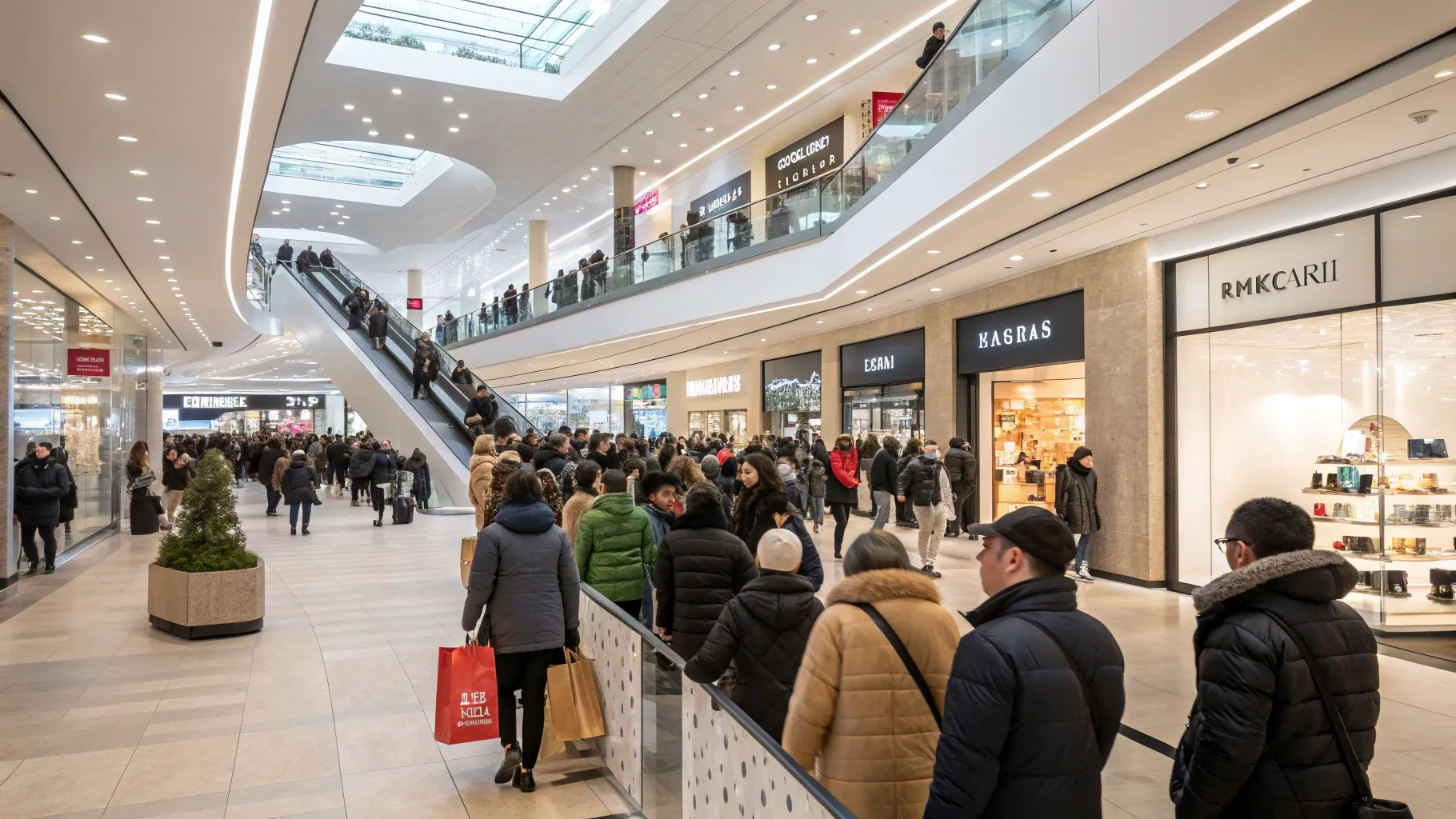
Black Friday has cooled from its peak frenzy, but it remains the biggest single shopping day in the United States. This year’s event again pulled crowds to stores and pushed heavy traffic online, showing that the tradition is evolving rather than fading.
The core story is familiar. Retailers spread discounts across November. Shoppers weigh inflation and household budgets but still hunt for deals. And by Friday evening, sales tallies point to another top-grossing day for U.S. retail.
Black Friday may no longer be the retail bacchanalia of years past, but the event still has enough enthusiasts to make it the biggest single shopping day in the U.S.
How Black Friday Changed
Once defined by doorbusters at dawn and long lines, Black Friday now looks different. Major chains moved away from overnight openings and Thanksgiving hours. Many stores closed on the holiday in recent years, steering buyers to online carts until Friday morning.
Discounts no longer land on one day. Promotions begin in early November and run through Cyber Monday. That shift spreads demand, cuts crowding, and makes inventory planning easier.
Despite the changes, the day still concentrates spending. Adobe Analytics estimated U.S. online sales on Black Friday 2023 at about $9.8 billion. The National Retail Federation said more than 200 million consumers shopped over the five-day holiday period last year, a record that set a high bar for 2024.
Online Spending Redraws the Map
E-commerce now drives much of the growth. Phones and free shipping push shoppers to buy from home. Curbside pickup blends online convenience with same-day speed.
Retailers lean on flexible fulfillment and targeted ads. Real-time inventory and price-matching tools help keep carts from being abandoned. Social media and email alerts push time-limited deals into feeds where shoppers already spend their time.
In-store traffic remains important for certain categories. Big TVs, gaming consoles, and appliances still draw shoppers who want to see products in person or secure same-day pickup.
Prices, Budgets, and Timing
Inflation in recent years made shoppers more selective. Many wait for “lowest of the season” promises, then compare across several sites. Buy now, pay later plans continue to gain users, especially on high-ticket items.
Experts say the bargain calculus has changed. In many categories, the best prices arrive earlier than they used to. That encourages shoppers to complete lists before December, smoothing out demand for retailers that once relied on a late-season rush.
- Deepest discounts often hit electronics, toys, and small appliances.
- Apparel deals are broader but vary by brand and inventory.
- Shipping cutoffs and return windows influence final-week spending.
Retail Strategies and Storefront Reality
Large chains spread deals across weeks to avoid bottlenecks. They emphasize exclusive bundles, extended return policies, and loyalty rewards. Those perks help defend margins when headline discounts look steep.
Smaller retailers face pressure to match prices while protecting profit. Many counter with curated selections, local events, and service guarantees. Gift guides and shop-local campaigns help them reach buyers who are tired of scrolling through thousands of SKUs.
Inventory planning is tighter after the pandemic whiplash. Retailers try to balance demand for must-have items with the risk of excess stock that forces heavy markdowns in December.
What to Watch Next
The key question is whether the weekend’s strength carries into December. Last year, Cyber Monday set another record for online sales, showing that demand can hold for several days. If shipping cutoffs arrive earlier due to logistics constraints, shoppers may move even more spending into late November.
Credit card balances and savings rates also matter. If consumers feel stretched, average order values could slip, even if traffic remains high. In that case, retailers will lean harder on add-on items and loyalty incentives to lift totals.
Black Friday is no longer defined by midnight stampedes, but its pull endures. Shoppers are more methodical, promotions are longer, and phones are now the main checkout lane. The day still sets the tone for the holiday season. Watch for final tallies from major trackers, the pace of returns, and whether retailers hold or deepen discounts in December. Those signals will show if the strong start turns into a strong finish for the year.