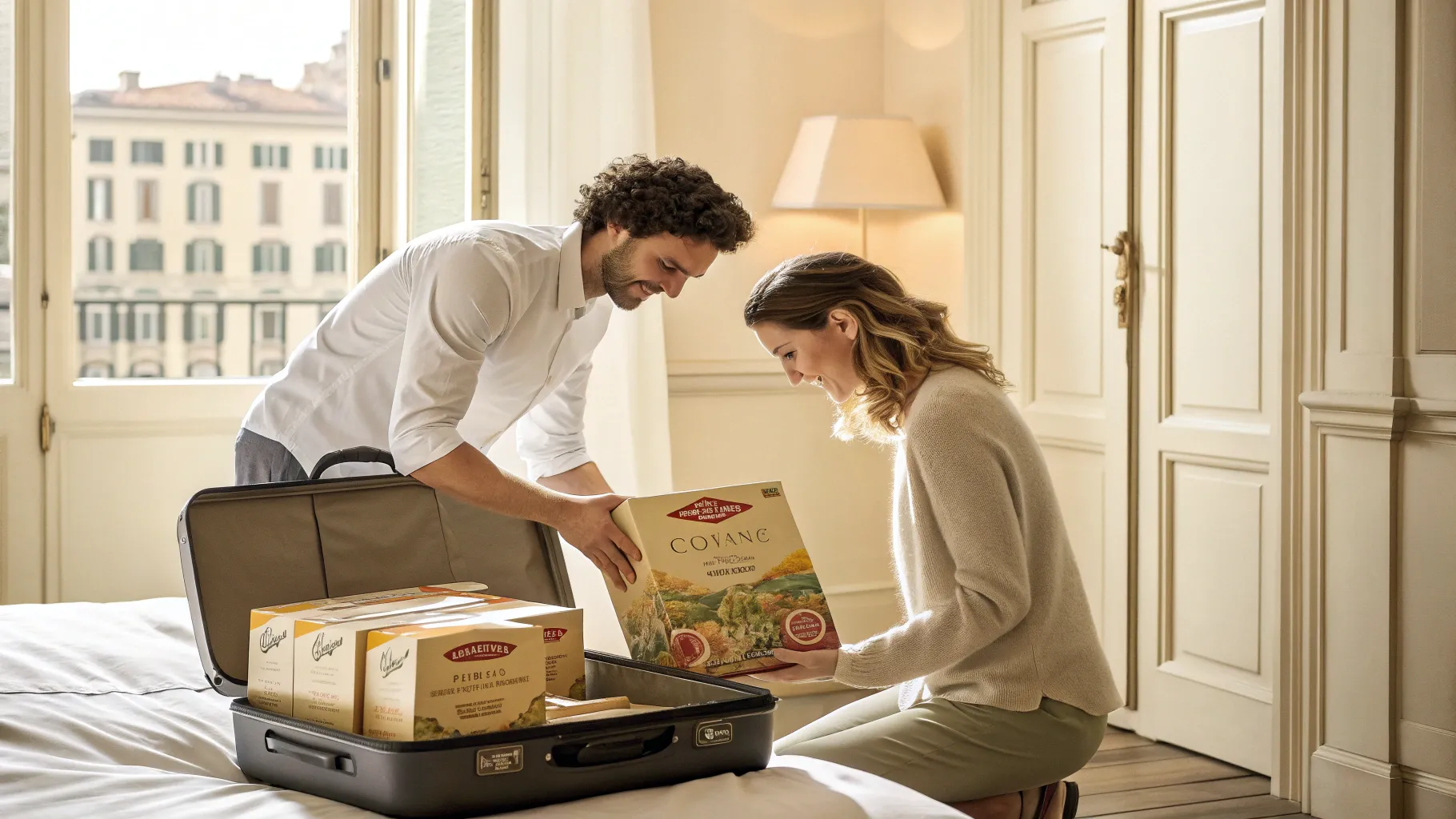
On a honeymoon in Florence in 2002, Los Angeles investor Greg Bettinelli found a pasta he could not stop thinking about. The brand, Pasta Rummo, was almost impossible to buy in the United States at the time. He and his wife packed their suitcases with boxes to bring home, a snapshot of how devoted travelers built demand for specialty foods long before social media trends and instant delivery.
The story captures a shift in American food shopping over the past two decades. Shoppers now expect high-quality imported staples that once required a trip overseas. Bettinelli’s memory raises a broader question: how do small European pantry brands move from cult status to the American shelf, and what does that say about how people buy food today?
The Appeal Of A Hard-To-Find Brand
Consumers often attach strong feelings to products found on the road. The taste and texture of a favorite pasta can become a marker of a place and a moment. When those products are scarce at home, they gain even more value. Travelers turn into champions for a label, urging friends and local shops to carry it.
In the early 2000s, imported pasta selection in many U.S. cities was limited. Specialty stores carried a few names, often at a premium price. Mainstream grocers stocked standard options. That gap left room for passionate shoppers to seek out brands like the one Bettinelli found, carrying them home in their luggage.
Import Hurdles And Niche Distribution
Getting a European grocery brand into the U.S. market can be slow and expensive. Importers juggle shipping costs, shelf-life timing, and labeling rules. Smaller producers may lack the scale to fill large orders or maintain steady supply.
As a result, many imports start in independent shops and regional chains. Chefs and boutique retailers often act as early gatekeepers. If demand spreads, national distribution follows. That path can take years, even when the product has a loyal fan base.
Word Of Mouth From Early Adopters
Bettinelli’s recollection shows how scarcity fuels enthusiasm. The act of carrying food home is a signal of quality and commitment, one suitcase at a time.
“Greg Bettinelli discovered Pasta Rummo on his honeymoon in Florence in 2002, at a time when the brand was nearly impossible to find in the United States. He and his wife stuffed their suitcases with as much of it as they could carry.”
Before the rise of online marketplaces, this type of personal importing was common among frequent travelers. A few boxes would circulate among friends. A local deli might bring in a case. Over time, those small steps built a following that distributors could measure.
What It Says About U.S. Specialty Foods
American shoppers now show more interest in source, texture, and method. Dry pasta is a good example. Many buyers look for consistent bite and sauce cling. Labels that signal tradition or careful production get attention, especially when friends recommend them.
- Travelers often discover brands first and share them at home.
- Independent retailers test demand before national rollouts.
- Online forums and cooking media amplify loyal communities.
As premium products move into bigger stores, pricing and placement matter. If a brand grows too fast, quality can slip. If prices jump, loyal buyers may switch. The balance between scale and authenticity remains a key test for any import.
A Market Still Shaped By Taste And Story
Many specialty successes marry performance in the kitchen with a clear origin story. Bettinelli’s memory helps explain why. A personal moment turns into a lasting habit. When enough people share that experience, a niche product can reach steady sales. Retailers read those signals and expand shelf space, and importers respond with more regular shipments.
The cycle is fragile. Supply disruptions or higher freight costs can break momentum. Yet the demand for well-made pantry staples has held, supported by home cooks who care about results.
Bettinelli’s suitcases speak to a larger shift in how Americans discover and adopt food brands. What began as a rare find for travelers has grown into a steady appetite for quality imports. The next phase will depend on reliable supply, clear pricing, and honest marketing. Watch for continued testing in specialty stores, closer ties with chefs and cooking educators, and careful expansion into national chains. For shoppers, the takeaway is simple: taste still leads, and the stories we carry home can change what ends up on the shelf.