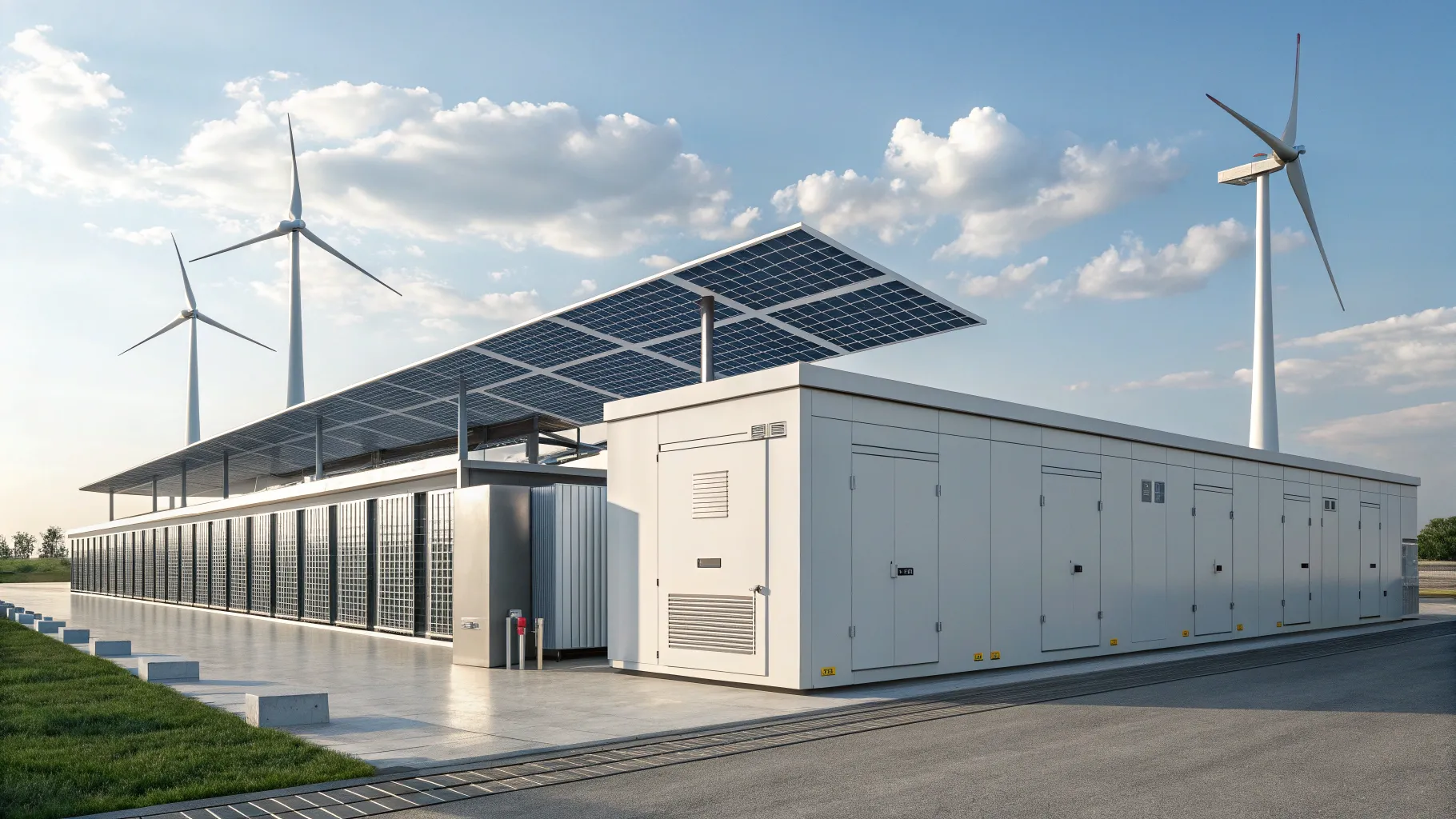
Data centers designed to supply their own electricity during heatwaves and emergencies can launch operations faster than facilities tied only to the traditional grid, a new study finds. The analysis points to power independence as a strategic advantage for operators facing extreme weather and grid constraints. It signals a shift in how large computing sites plan, build, and come online amid rising demand for digital services.
The report arrives as developers race to add capacity for cloud computing, AI training, and streaming. Many projects face long waits for utility interconnections. Facilities with on-site generation or backup systems appear to reduce those delays, improving speed to market and resilience in crisis conditions.
Why Power Independence Matters
Power is the critical path for data center construction. Even completed buildings cannot open without reliable electricity. On-site systems—such as generators, battery storage, or dedicated microgrids—give operators more control over commissioning schedules and emergency readiness.
“Big data centers equipped to supply their own power during heatwaves and other emergencies can begin operations much more quickly than those reliant solely on traditional utility hookups,” according to a new study.
That finding highlights a balancing act. Operators must meet rising computing needs while managing cost, emissions, and reliability. Speed to service start matters for customers who depend on uptime, from banks and hospitals to media platforms and AI developers.
Heatwaves, Reliability, and the Grid
Extreme heat strains the grid and raises the risk of outages. It also increases cooling loads for data halls. Sites that can self-supply during peak stress periods may avoid interruptions. They can also stage equipment tests and phased cutovers without waiting for full utility capacity.
Grid interconnection can require lengthy studies and upgrades. During those waits, on-site power can bridge gaps. It is not a simple fix, but it can reduce timing risks for launch dates and early operations.
Industry Response and Investment
Operators weigh several options to achieve power flexibility. The choice depends on site size, customer needs, local rules, and fuel access.
- Temporary or permanent generators for commissioning and backup.
- Battery systems to handle short peaks and smooth transitions.
- On-site microgrids designed to operate with or without the main grid.
Some developers prioritize speed, using on-site generation to meet early demand and then migrating to a full utility feed when available. Others design for long-term dual capability, maintaining both grid and on-site resources for redundancy.
Costs, Trade-Offs, and Community Impact
Self-supply comes with trade-offs. Generators and batteries add capital costs and require maintenance. Fuel planning and emissions rules factor into design choices. Communities often ask how local air quality and noise will be managed if on-site systems run during heatwaves.
Data center operators counter that resilient power protects critical services during emergencies. Hospitals, emergency centers, and citizens depend on digital infrastructure. Faster commissioning can expand capacity before the next peak season, reducing pressure when demand spikes.
What Faster Starts Could Mean
Quicker launches can change market dynamics. Shorter timelines help meet contract deadlines and secure customers that prize reliability. They can also shift where new builds occur, favoring regions that permit on-site generation or microgrids.
The study’s finding suggests more projects may include dual-power strategies from day one. That could include staged construction, early energization with on-site systems, and later integration with utility upgrades.
Outlook
As heatwaves grow more frequent and power networks face higher loads, data centers with flexible power strategies may have an edge. For operators, the question is not only how to keep servers running, but how fast they can begin serving customers.
The latest research points to a clear takeaway: power independence speeds deployment. The next test will be how operators balance cost, reliability, and environmental goals while scaling. Watch for more projects to blend grid connections with on-site systems, aiming to go live sooner and stay online when conditions are toughest.