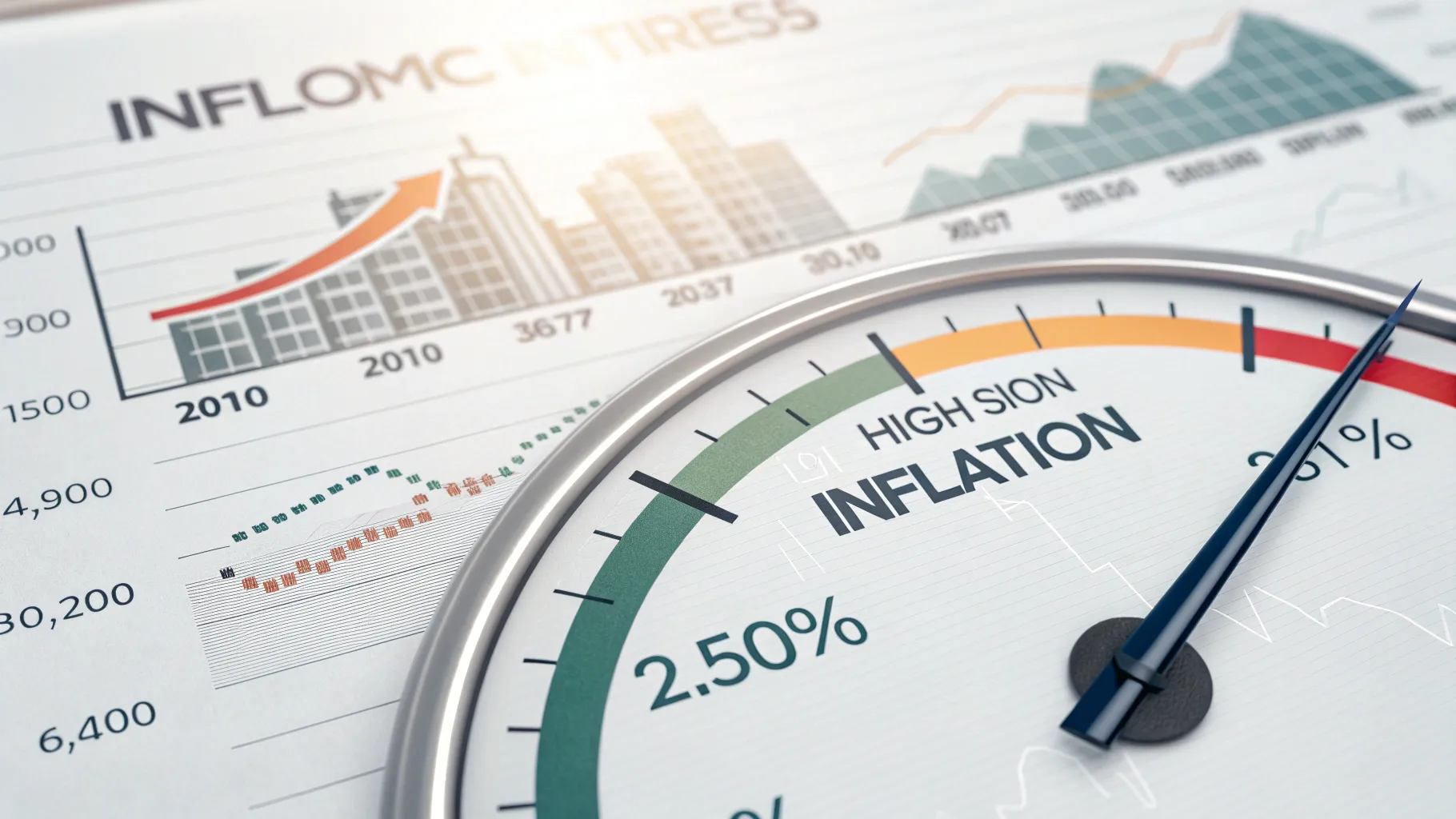
America’s key inflation gauge likely stayed warm in September, keeping pressure on the Federal Reserve as it weighs how long to keep interest rates high. The measure in focus is the Personal Consumption Expenditures price index, released by the Commerce Department. It guides the Fed’s policy decisions and shapes borrowing costs for households and businesses nationwide.
Investors are watching for signs that price growth is easing toward the Fed’s 2% goal. A hot result could delay rate cuts. A cooler reading could open the door to an easier policy stance in the months ahead.
Why the PCE Measure Matters
The PCE price index is the Fed’s preferred gauge because it captures a broad mix of what people actually buy. It also adjusts for changes in consumer behavior, such as trading down to cheaper goods. The core version, which strips out food and energy, is considered a better signal of underlying inflation trends.
Inflation has eased from its peak, but progress has been uneven. Services remain sticky, reflecting wage and shelter pressures. Goods prices have cooled as supply chains improved, but energy swings can still sway the headline number from month to month.
September’s Signal
“The Fed’s preferred measure of inflation likely kept sizzling in September.”
That assessment captures the tension facing policymakers. If core PCE stays firm, it suggests price pressures are not fading quickly enough. Economists point to steady demand for travel, dining, and healthcare as possible drivers. Rising insurance and shelter costs may also add heat.
At the same time, discounting from retailers and softer used-car prices could offset some of the pressure. The balance between goods and services is key. The Fed has said it wants more evidence that inflation is heading down in a sustained way before changing course on rates.
Implications for Rates and Markets
A hot PCE print would strengthen the case for holding policy steady at restrictive levels. That would keep mortgage, auto, and credit card rates elevated for longer. Companies facing higher financing costs could slow hiring and investment. Households may pull back on discretionary spending, cooling growth.
A softer reading would support hopes for relief next year. Market pricing has shifted often as each data point lands. The Fed has signaled it will remain data-dependent, weighing inflation against the job market. Officials want to avoid easing too soon and risk a rebound in prices.
What to Watch in the Report
- Core PCE vs. headline: Core provides the cleaner trend.
- Services inflation: Especially shelter, insurance, and healthcare.
- Goods prices: Discounts and supply-chain effects.
- Consumer spending: Real spending shows demand strength.
- Revisions: Past months can shift the trend.
Broader Economic Context
Wage growth has cooled from earlier highs, but labor costs remain firm in many service industries. That can slow the retreat in inflation. Energy prices are volatile and can filter into transportation and production costs. Housing has shown mixed signals, with rents easing in some areas but still high in others.
Global factors could also matter. Shipping routes, commodity markets, and currency moves can influence import prices. If growth abroad slows, U.S. goods inflation could cool further. If supply constraints return, the opposite could happen.
Outlook
Another firm PCE reading would suggest the last mile to 2% will be bumpy. That could keep the Fed cautious. A clear and broad-based slowdown in services prices would be a welcome shift and strengthen the case for easing policy in 2025.
The next few releases—monthly inflation, jobs data, and spending—will shape the path for rates. For households and businesses, the message is the same: watch core PCE, watch services, and watch momentum. The trend, not a single month, will determine the next move.