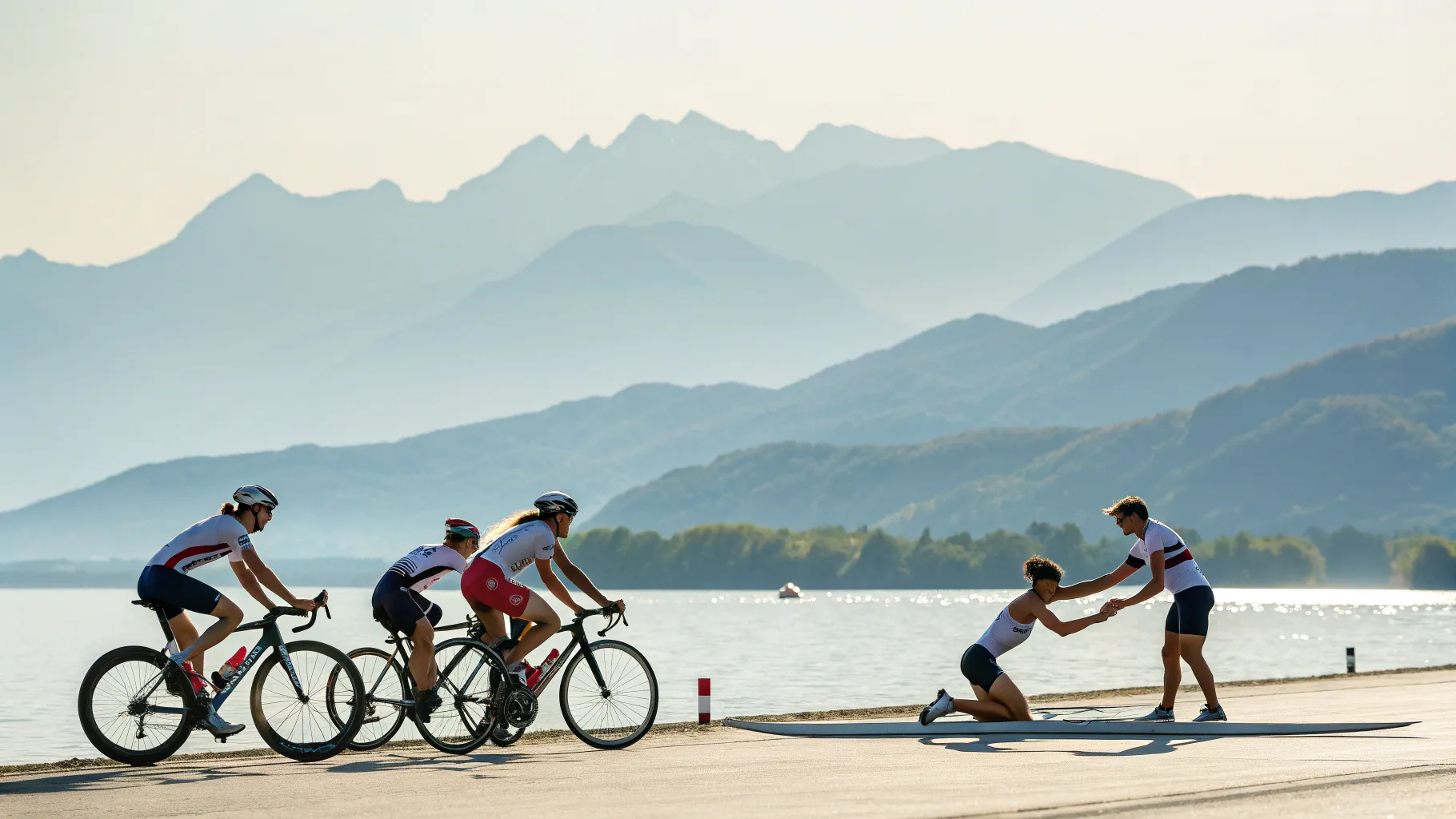
Less than a year after a coalition of U.S. sports nonprofits came together to court sponsors, the group has secured a first partner in Range. The alliance, which includes cycling, fencing, rowing, sailing, and squash, formed to present a unified offer to brands and boost visibility for sports that often struggle for shared marketing resources.
The agreement signals early traction for a joint approach that aims to pool audiences, events, and community reach. While terms were not disclosed, the partnership gives the group a practical example to pitch to other companies in the months ahead.
Why These Sports Joined Forces
Individually, smaller national sports bodies face high costs to market their events and reach new fans. Sponsors, meanwhile, often seek scale and a clear return on investment. By banding together, the five organizations can package their calendars, athlete stories, and youth programs in a single proposal, making it easier for brands to engage.
- Cycling
- Fencing
- Rowing
- Sailing
- Squash
The alliance also taps into a shared identity. Each sport blends participation and spectator appeal, has strong youth and collegiate pathways, and features international competition cycles that peak in major global events. Taken together, the coalition offers a year-round set of touchpoints for outreach and activation.
A First Test With Range
Members framed the new deal as proof that their model works. In a statement, the group said:
Less than a year after the nonprofits overseeing cycling, fencing, rowing, sailing and squash in the U.S. joined forces to attract new partners, they have a proof of concept with Range.
The choice of a single partner to validate the approach is strategic. A measured start allows the coalition to test shared programs, refine messaging, and coordinate events across five separate calendars. It also helps establish clear roles for content, community engagement, and measurement.
Early wins often matter in sponsorship sales. A live case can show how athlete appearances, clinics, or digital campaigns perform in practice. If outcomes are strong, that can shorten future sales cycles.
What The Partnership Could Mean
For the sports, a partner like Range could support youth initiatives, event experiences, and media content that amplifies athletes. The coalition can centralize creative assets, streamline approvals, and share best practices across organizations.
For the sponsor, the package delivers reach into active, health-focused communities. It also offers varied venues—water, road, indoor, and outdoor—where brand placements and on-site experiences can stand out. A unified data approach could help track attendance, digital engagement, and community impact across the five sports.
Industry observers often note that bundling rights can lower costs and increase consistency for brands. It can also help smaller sports avoid competing against each other for the same limited pool of marketing dollars.
Open Questions And Next Steps
The coalition still faces practical challenges. Joint sales require clear governance and transparent revenue sharing. Coordinating across distinct seasons and venues takes planning. Measuring performance in a way that satisfies all members and partners will be key.
Stakeholders will watch how the Range agreement is activated. Success will hinge on execution details such as content cadence, athlete availability, grassroots programming, and local club engagement. The first year will likely set baselines for what works and what does not.
If the pilot delivers results, the coalition may expand its offer with tiered partnerships, regional packages, or cause-focused campaigns around access and safety. It could also explore media collaborations to grow coverage for championship events and national team stories.
What To Watch
Several markers will show whether the model is gaining steam:
- Additional partners signing on within the next year
- Growth in event attendance and digital reach
- New youth programs or community clinics funded by sponsorship
- Shared metrics that track outcomes across all five sports
The Range partnership gives the alliance a working example to point to as it seeks more deals. The coming months will test whether a unified pitch can deliver stable funding and broader visibility for cycling, fencing, rowing, sailing, and squash. If the approach scales, it could offer a model for other sports looking to team up and strengthen their position with sponsors.