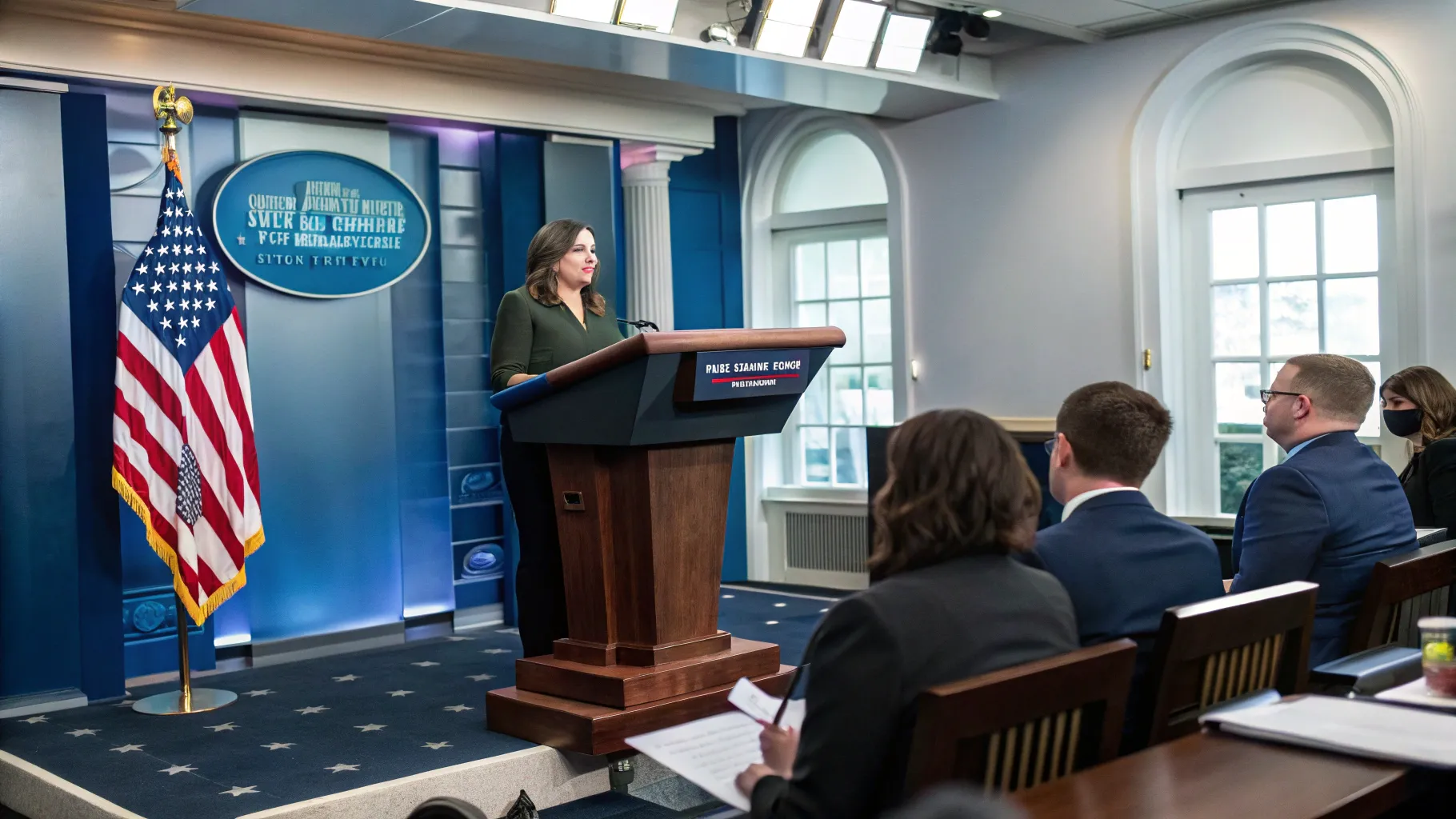
White House Press Secretary Karoline Leavitt briefed reporters on December 11, 2025, addressing current events and the administration’s priorities as the year nears its end. The session took place in Washington, offering the press a chance to seek clarity on policy and recent developments.
The briefing came at a time when year-end decisions often shape the agenda for the months ahead. It provided a forum for questions on government actions, public concerns, and the outlook for early 2026.
Background on the Briefing and Its Role
Regular White House briefings have long served as a window into federal policy and the executive branch’s decision-making. They are a staple of U.S. government communication, allowing reporters to question officials in real time.
Leavitt’s role as press secretary is to translate policy for the public and to respond to media inquiries. The position often reflects the administration’s approach to transparency, access, and message discipline.
Briefings at this point in the calendar tend to touch on budget matters, national security updates, and regulatory actions that may take effect in the new year. They also address public services and seasonal concerns such as travel, weather preparedness, and health guidance.
What Briefings Typically Cover at Year-End
While each session is driven by the news of the day, late-year briefings often include updates that affect households and businesses. Common areas of focus include:
- Economic indicators and labor market trends.
- Funding deadlines and federal program timelines.
- Foreign policy developments and security assessments.
- Public health and emergency readiness.
Such topics help set expectations for the first quarter, guiding stakeholders on timing and compliance. They also shape market sentiment and community planning.
Transparency, Access, and Press Relations
Press briefings serve two audiences at once: the reporters in the room and the public watching at home. The exchange informs headlines and frames the national conversation.
Access matters as much as content. Reporters evaluate how questions are handled, the detail offered, and whether follow-ups are allowed. These signals help them judge the administration’s commitment to openness.
Briefings also influence how agencies coordinate. When messages are clear, departments can align guidance for state and local partners. When they are not, confusion can slow implementation and reduce trust.
Policy Impact and Public Understanding
Statements from the podium often carry immediate policy effects. Investors, governors, and mayors watch for hints of timing and scope on regulations and funding. Community groups track changes that affect services and eligibility.
Clarity is especially important for rules that trigger compliance deadlines. Clear explanations reduce costs for businesses and help families plan. Vague language, by contrast, can prompt delays or legal disputes.
The press plays a central role by pressing for specifics and testing claims. Detailed answers improve public understanding and help prevent misinformation.
Looking Ahead to Early 2026
With the new year approaching, attention turns to implementation schedules, congressional calendars, and agency priorities. The first quarter often features rulemaking, budget negotiations, and international meetings.
Regular briefings will shape how these developments are understood. They will also set expectations for timelines and measurable outcomes. Consistent updates can reduce uncertainty for households and markets.
The December 11 session fit into this arc by maintaining a forum for questions and updates as decisions come due.
The main takeaway is straightforward. Routine briefings help the public follow federal action and prepare for change. As 2026 approaches, watch for signals on timing, funding, and enforcement. Clear messages from the podium can improve planning for state leaders, businesses, and families alike.