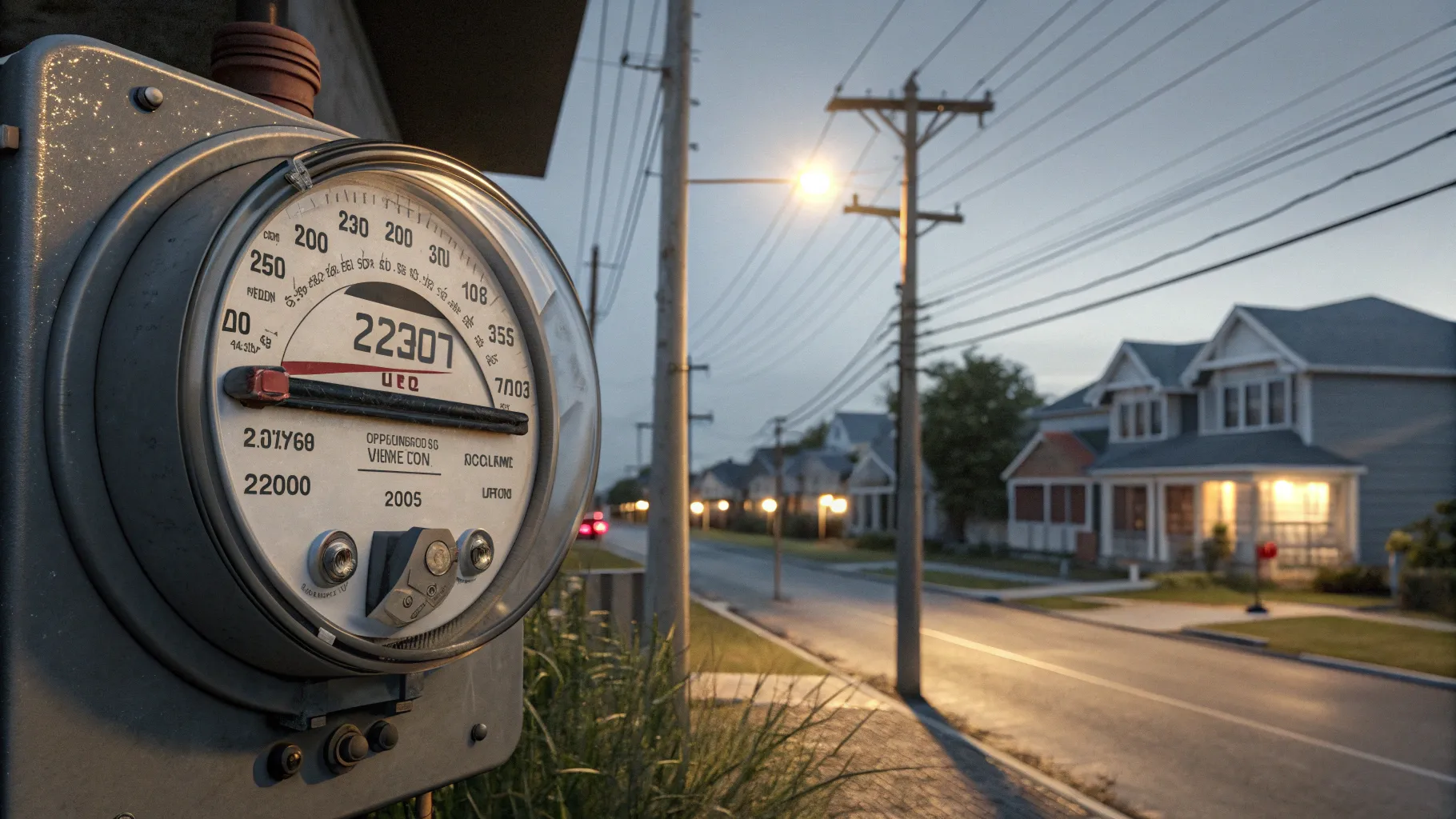
Electricity bills are poised to rise in 2025 as utilities confront aging equipment and higher demand across the country. Households and businesses face higher monthly costs as grid upgrades and peak usage strain existing systems. Utilities and regulators say the price pressures are building now and will carry into next year.
Electricity costs are rising. An aging power grid and increasing demand are among the factors in driving prices higher in 2025.
The trend affects urban and rural areas alike. It comes as summer heat waves and winter storms push consumption to new highs. The timing matters for family budgets, small firms, and energy-intensive manufacturers planning for the year ahead.
Why Costs Are Climbing
Much of the transmission and distribution network was built decades ago. Parts of it need replacement or reinforcement to handle heavier loads. Utilities are planning more spending on poles, wires, transformers, and substations.
Demand is rising as more homes add electric heating and vehicles. Data centers and clean-tech factories are also drawing large loads in several regions. When demand grows faster than capacity, the cost of meeting peak usage goes up.
Extreme weather adds to costs. Heat waves boost air conditioning use, while winter cold snaps drive heating demand. These spikes trigger higher wholesale prices and can require emergency purchases.
Fuel costs still matter. Natural gas prices have been volatile in recent years, and they feed into power prices. Drought and storms can affect hydropower and other supplies, adding uncertainty.
What The Increases May Look Like
The size of any increase will vary by state and utility. Rates depend on local fuel mixes, grid conditions, and regulatory decisions. Some customers already pay time-of-use rates that rise during peak hours, while others pay flat rates.
- Regions with heavy grid upgrades may see higher delivery charges.
- Areas with fast-growing demand could face more peak pricing.
- Weather-driven surges can cause temporary bill spikes during extreme events.
Industrial users face added risk, as large loads can trigger demand charges. Small businesses with long operating hours may also see higher monthly bills even if rates rise modestly.
Industry Response And Consumer Options
Utilities argue that investments now will improve reliability and reduce outages. They point to equipment failures during storms as proof that upgrades cannot wait. Grid modernization also supports connecting more wind and solar projects and new battery storage.
Consumer advocates want stronger protections for low-income customers. They favor expanded payment plans, arrearage relief, and better notice of rate changes. Some push for tighter scrutiny of spending to avoid overbuilding.
Customers can blunt some increases. Energy audits, insulation, and smart thermostats reduce usage. Shifting consumption away from late afternoon peaks can lower bills under time-of-use plans. Community solar and rooftop systems may help in regions that support them.
Policy Choices On The Table
Regulators will weigh how quickly to recover grid costs from customers. They can spread recovery over more years to slow bill growth, though that adds financing costs. Performance-based rules are gaining attention, linking utility earnings to reliability and outage metrics.
States are also reviewing interconnection rules to speed new generation and storage. Faster additions can ease pressure on peak prices. Demand response programs that pay users to cut consumption during stress events are expanding in several markets.
What To Watch In 2025
Peak seasons will set the tone. A hot summer or a harsh winter could lift wholesale prices and stress equipment. New data centers and factories coming online will test local grids.
Rate cases will move through state commissions in the first half of the year. Their outcomes will shape delivery charges for millions of customers. Wholesale power auctions and fuel markets will influence generation costs.
Federal funding for grid resilience grants may offset some spending. The impact depends on how quickly projects reach construction and how regulators credit those dollars back to customers.
Electricity costs are climbing for structural and cyclical reasons. Aging equipment, rising demand, and weather stress are converging in 2025. Consumers, utilities, and regulators now face the same task: manage higher needs at the lowest reasonable cost. Watch for decisions on grid spending, demand response, and rate design. Those choices will determine how much bills rise and how reliable the power system remains.