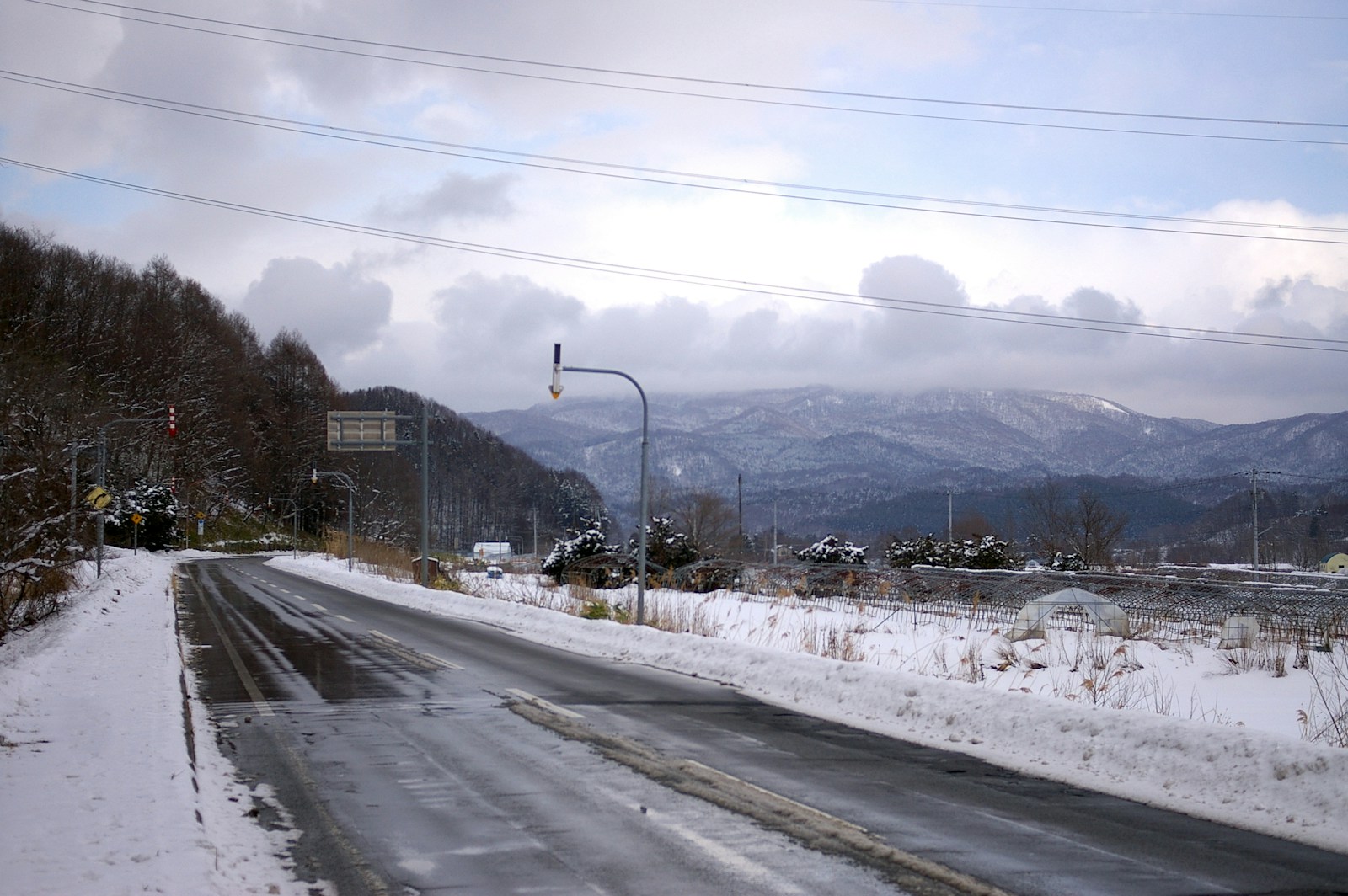
Driving during the fringes of the day has a certain quiet magic to it. Whether you are sipping lukewarm coffee during a sunrise commute or heading home under a blanket of stars, the roads feel like they belong to you. But that peace is often a mask for one of the most deceptive hazards on the pavement: black ice.
If you have been caught off guard by these invisible patches, the team at Parnall Law understands how quickly a serene drive can turn into a legal and physical nightmare. Understanding the science of why these crashes spike at specific hours is the first step toward staying safe.
The Science of the “Flash Freeze”
Black ice is not actually black. It is a transparent coating of frozen moisture that allows the dark asphalt to show through, making it look like nothing more than a harmless puddle or a damp spot on the road. The reason we see a massive spike in accidents during the early morning and late night is the thermal relationship between the air and the ground.
During the day, the sun warms the road surface. Even if the air is chilly, the pavement retains enough heat to keep moisture in a liquid state. However, as the sun dips below the horizon, the ground loses heat rapidly. When the temperature of the road surface drops below freezing while there is residual moisture from melted snow or evening dew, a “flash freeze” occurs. This transition happens most frequently in the dead of night and the pre-dawn hours, creating a skating rink before the first commuter even starts their engine.
The Morning Rush: A Perfect Storm
The window between 5:00 AM and 9:00 AM is statistically one of the most dangerous times for ice-related pileups. There are three main factors at play here:
- Residual Cold: The ground is at its absolute coldest just after sunrise. Even if the sun is peeking out, it hasn’t had enough time to transfer energy to the asphalt.
- High Traffic Volume: This is when the most cars are on the road. More cars mean more opportunities for a single slide to turn into a multi-car collision.
- Commuter Mindset: Let’s be honest, most of us are a bit groggy in the morning. Reduced alertness combined with the pressure to get to work on time leads to higher speeds and shorter following distances, which is a recipe for disaster on slick roads.
The Nighttime Illusion
Late-night driving brings its own set of challenges. The dark already compromises visibility, and headlights are notorious for washing out the subtle sheen of ice. What looks like a dry patch of road in your high beams is a sheet of frozen runoff.
Furthermore, bridge decks and overpasses are notorious for freezing first. Because they are exposed to cold air on both the top and bottom, they lose heat much faster than roads built on solid ground. A driver might be cruising comfortably on a dry highway only to hit a bridge and lose total control in a split second.
How to Protect Yourself
Avoiding a black ice crash requires a mix of environmental awareness and technical driving skills. If you find yourself driving during these high-risk hours, keep these tips in mind:
- Check the Outside Temp: If your dashboard thermometer is hovering near 32 degrees Fahrenheit, assume every wet-looking spot is ice.
- Ease Off the Pedals: Do not make sudden movements: no hard braking and no aggressive acceleration.
- Look for “Matte” vs. “Gloss”: If the road looks shiny or glossy, it is likely ice. True wet pavement usually has a more textured, matte look.
- Don’t Use Cruise Control: Using cruise control on icy roads can cause your car to lose traction because the system may try to accelerate to maintain speed when it senses a slip.
Final Word: Navigating the Aftermath
Surviving a black ice encounter is a jarring experience that can leave you with mounting medical bills and a wrecked vehicle. While ice may be a natural occurrence, other drivers still have a responsibility to adjust their speed to the conditions. If you find yourself struggling with the fallout of a winter accident, reaching out to Parnall Law can help you find your footing. We are dedicated to helping victims navigate the complexities of accident claims so they can focus on recovery. Remember that while you cannot control the weather, you can control how you respond to the hazards it leaves behind.