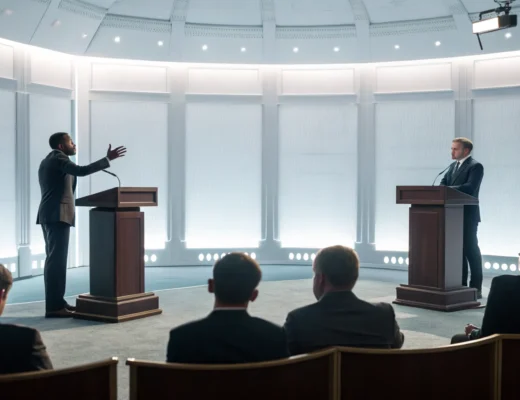
New York City’s latest mayoral debate set a clear contrast between three contenders with starkly different views on crime, housing, and how to grow the city’s economy. The face-off, featuring Zohran Mamdani, Andrew Cuomo, and Curtis Sliwa, came as public concern over safety, affordability, and migrant services continues to rise. The discussion highlighted competing plans on how to manage spending, support small businesses, and address quality-of-life issues that shape daily life.
The exchange drew attention because the candidates bring distinct records and styles. Mamdani is a progressive state lawmaker focused on rent protections and social services. Cuomo, the former governor, argues his executive experience suits the city’s complex budget and public works. Sliwa, founder of the Guardian Angels, stresses street-level safety and taxpayer relief. Their differences suggest a campaign centered on cost of living and confidence in public institutions.
Background: Three Paths For City Hall
Voters have seen versions of this debate before. New York City’s modern campaigns often pivot on two themes: public safety and affordability. Crime rose during the pandemic and then eased in some categories, but fear remains uneven across neighborhoods. Rent growth and record shelter demand keep housing at the top of voters’ minds. Meanwhile, the city faces pressure to manage asylum-seeker services while balancing its budget.
Mamdani has built a profile pushing for stronger tenant protections and expanded public goods. Cuomo, who led the state during the COVID-19 crisis and later resigned amid investigations, campaigns on management skill and large-scale project delivery. Sliwa, the 2021 GOP nominee, calls for tougher policing and fiscal restraint, often speaking to outer-borough homeowners and small business owners.
Key Issues At Stake
- Public safety: How to reduce crime and visible disorder while keeping reforms aimed at fairness.
- Housing costs: Whether to expand rent programs, speed up construction, and change zoning.
- City budget: Choices on taxes, agency cuts, and investments that support jobs and services.
- Migrant services: Managing shelter capacity, work permits, and funding from state and federal partners.
- Business climate: Balancing regulation with growth, and helping neighborhoods recover foot traffic.
Contrasting Agendas On Safety And Spending
Sliwa centers his message on policing and order, arguing that visible enforcement and transit safety will restore confidence. He ties safety to business recovery, tourism, and ridership on subways. His plan emphasizes cost controls and fewer regulations for small firms.
Mamdani pushes a different answer, focusing on prevention. He supports mental health services, youth programs, and investments in housing as tools to lower crime over time. He often backs fare relief and social supports to reduce instability that leads to repeat offenses. His fiscal approach leans toward raising revenue from high earners to fund services.
Cuomo positions himself between these approaches. He highlights experience running a large budget, managing public works, and negotiating with unions and agencies. He calls for both targeted enforcement and program reforms, paired with major infrastructure and housing initiatives to stimulate growth.
Housing And Affordability: Speed Versus Protection
Housing emerged as a dividing line. Mamdani is likely to support stronger rent protections and public investment to create permanently affordable units. He often backs social housing and anti-eviction measures.
Cuomo has a record of brokering large development deals and could argue for speeding approvals and aligning state and city rules to unlock supply. He has supported tax incentives in past projects, while facing criticism over outcomes and cost.
Sliwa favors faster permitting and fewer fees to encourage private builders. He argues that reducing red tape will add supply and moderate prices without large public spending.
What The Debate Signals For Voters
Even without agreement on methods, the debate shows common pressure points. New Yorkers want safer streets, faster commutes, and rents they can pay. The candidates split on how much government should spend to get there and who should pay.
Voters will weigh whether experience, ideology, or street-level focus feels more credible. They will also watch for detailed price tags and timelines. Plans that clearly state costs, funding sources, and expected outcomes are likely to gain traction.
The debate offered a preview of a campaign framed by safety, housing, and fiscal trade-offs. Mamdani presses for protections and public investment. Cuomo leans on management and big projects. Sliwa pushes policing and deregulation. The next phase will test which plan can show concrete results and realistic budgets. Watch for updated crime and housing data, new funding commitments from Albany and Washington, and neighborhood-specific proposals that move beyond slogans.