Money panic sells. It also misleads. After reviewing Dave Ramsey’s recent take, I’m convinced the loudest voices about inflation, rates, and “impossible” budgets are drowning out simple math and basic habits. My stance is clear: we don’t have a money information problem, but we do have a money behavior problem.
This matters because fear is pushing families into high-interest traps while they ignore boring moves that build wealth. Ramsey’s message cuts through the noise. And yes, the data backs it up.
The Real Crisis Isn’t Rates; It’s Habits
The myth that “everything is worse than ever” is lazy thinking. Ramsey calls out scare reels and headlines that claim we’re blocked from owning homes or getting ahead. He counters with numbers, not vibes.
“Inflation in 2024 was 3.4%… In 1980, it was 12.4%. Interest rates in 1982 were 17.66% for a house.”
That’s not denial. That’s context. Mortgage rates near five percent on a 15-year are not a wall. Yet many freeze at that rate while carrying 22% credit cards. Ramsey’s point lands: the real drain is high-interest consumer debt and the car in the driveway, not the mortgage you don’t have yet.
The affordability story is more complex than TikTok says. Ramsey notes median household income sits near $83,000 while average expenses are about $78,000. That gap gets crushed when we normalize $748 car payments and five-figure credit balances. We’re choosing payments, then blaming prices.
Debunking Popular Money Myths
Ramsey torches a few favorites, and the evidence is hard to ignore.
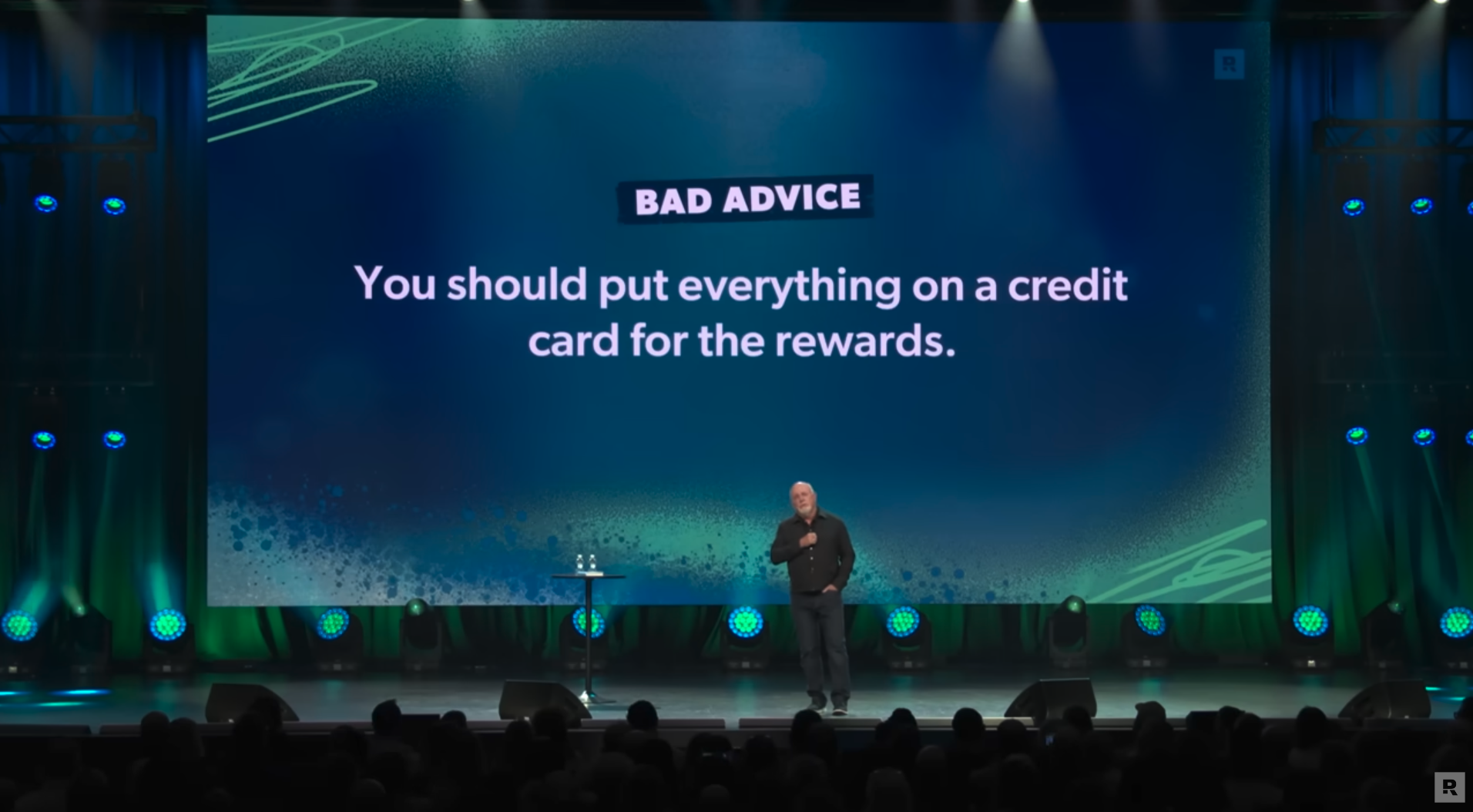
“Credit card debt’s at an all-time high: $1.23 trillion… You keep getting screwed and screwed and screwed by the Capital Ones.”
Points are not a plan. Rewards don’t beat 22% interest. If your “strategy” rests on airline miles you rarely use, you’re the product. Not the winner.
“Buying a car without a loan is impossible.”
False. New cars average $42,000. Payments average $748. One in five new loans tops $1,000 a month. Cars drop in value fast. The math is brutal and avoidable if you buy used, modest, and with cash.
“Only poor people do a budget.”
Ramsey’s research on 10,167 millionaires shows 89% built wealth on their own. And 93% of them budget. Fewer than half of the general public does. That’s not an accident. That’s a habit gap.
“Start a small business for easy passive income.”
He’s blunt here: real businesses are hard. They take time, risk, discipline, and sacrifice. Easy and passive is a fantasy sold to the scroll-weary.
The Path That Actually Works
Ramsey’s core message is simple, and I support it: do the basics relentlessly. His personal story on building wealth, losing it in a heap of debt, and then rebuilding on steady habits, adds weight to the advice.
“Live on less than you make. Get out of debt. Have a plan. Be generous.”
Note how boring that sounds. Then notice how effective it is. Even retirement isn’t out of reach with small, steady investing.
“From age 22 to 67, $70 a month can reach $1,000,000 at market rates; from 30, $170 a month.”
That is the power of time and consistency. No gimmicks. No viral hacks.
- Cut credit cards and stop carrying balances.
- Drive a car you can pay off fast or buy used with cash.
- Build a written budget every month.
- Invest early and consistently in broad, long-term funds.
These steps aren’t flashy. They are repeatable. Most of us need repeatable more than inspirational.
Answering the Pushback
Yes, some markets are tough. Yes, wages lag in pockets of the country. But the broad claim that “the little man can’t get ahead” ignores millions who are proving otherwise. Ramsey points to the 26 million millionaires in North America, most of which are first-generation. That doesn’t erase real hurdles. It shows that action beats outrage.
Here’s my take: Stop waiting for perfect conditions. Start with your next paycheck. Silence the panic merchants. Put your energy into choices that move the needle.
Final Thought
I side with Ramsey on this: the data and the daily wins both say it’s time to act. Cut the noise. Choose the habits that build margin. Then keep going.
Call to action: Build a zero-based budget this week. Cancel the card you revolve. Price a car you can own outright. Set up automatic investing. Simple steps, done on repeat, change everything.
Frequently Asked Questions
Q: How do I start budgeting if I’ve never done it?
Begin with last month’s take-home pay and give every dollar a job: bills, food, gas, saving, and debt. Track expenses daily for a month. Adjust weekly, not yearly.
Q: Are credit card rewards ever worth it?
Only if you never carry a balance and never overspend. Most households do not clear balances monthly. Interest wipes out any points fast.
Q: What’s a realistic first step to kill car payments?
Sell the pricey car. Buy a reliable used model with cash or a tiny loan paid off in months. Redirect the old payment into savings and debt payoff.
Q: How much should I invest if I’m starting late?
Run the math with your age and goal. As a rule, aim for at least 15% of income. Automate it. Increase contributions with every raise until you hit the target.