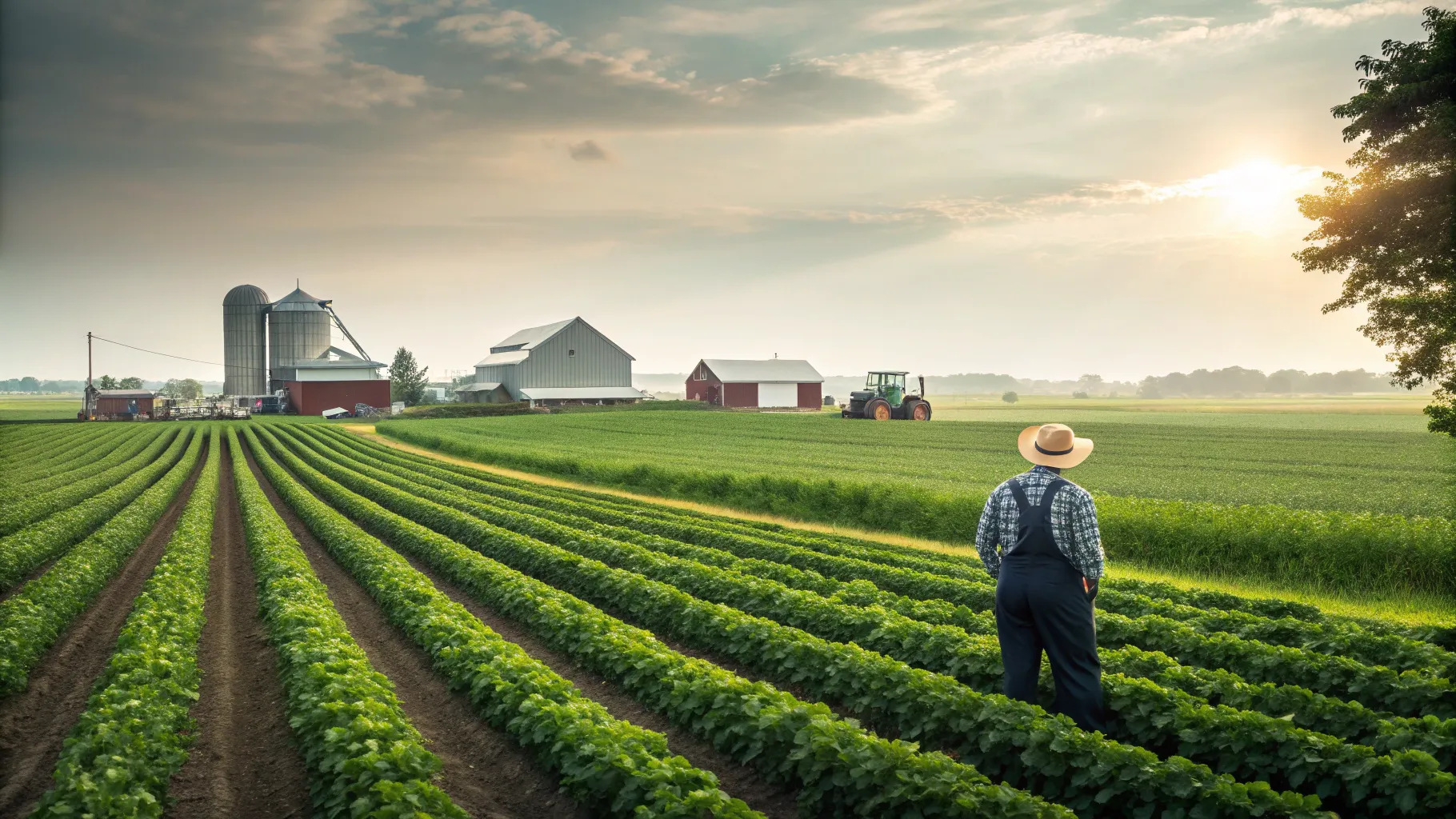
Freedom Farms owner Dana Cavalea used a national television appearance to highlight how the company is managing inventory and planning for growth, offering a candid look at a values-driven business model. Speaking on the Fox Business program “Varney & Co.,” Cavalea described a MAHA-friendly operation focused on meeting demand while keeping product quality and customer trust at the center of its pitch.
The discussion comes as small and mid-sized farms navigate tighter margins, shifting consumer habits, and higher costs. Cavalea said the farm’s approach blends disciplined stock planning with targeted expansion. The strategy aims to keep shelves full without overextending during seasonal swings.
Background: A Values-Led Farm Amid Shifting Demand
Freedom Farms operates in a market where shoppers care about origin, production standards, and brand identity. Many farms now market around values to stand out and build loyalty. Cavalea’s framing of the business as MAHA-friendly positions the farm for a defined audience while signaling a clear set of priorities to customers.
Farms across the country have responded to similar pressures by adding direct-to-consumer channels, fine-tuning crop mixes, and stabilizing supply chains. Inventory accuracy and demand forecasting have become core skills, not just back-office tasks. On-air, Cavalea emphasized that point while describing how Freedom Farms plans production and replenishment.
Inventory Discipline Takes Center Stage
“Freedom Farms owner Dana Cavalea discusses the inventory and growth of his MAHA-friendly farm on ‘Varney & Co.’”
Inventory is often the make-or-break line item for farms with perishable goods. Cavalea’s remarks indicate a tight linkage between sales signals and stocking cycles. The goal is to reduce waste while keeping core items available during peak weeks.
- Match planting and purchasing to near-term demand signals.
- Prioritize fast-moving, high-margin items to protect cash flow.
- Use seasonal playbooks to plan labor and logistics ahead of holidays.
Industry observers note that this kind of cadence can cut spoilage and improve cash conversion. The trade-off is the need for reliable forecasting and rapid adjustments when weather or markets shift. For many farms, that means closer coordination with distributors and more direct data from customers.
Growth Plans: Expansion Without Overreach
Cavalea outlined growth goals that balance ambition and caution. The plan centers on steady capacity gains, targeted product additions, and deeper ties with existing customers. Rather than chase broad national distribution, the farm appears focused on building density in core regions first.
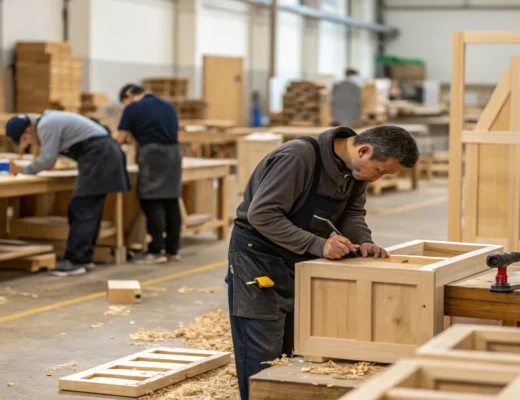
Growth also depends on labor and equipment. Hiring ahead of harvest windows can smooth operations but adds cost risk. Upgrading cold storage or packing lines can lift throughput, yet requires upfront capital. Cavalea’s comments suggest Freedom Farms is timing these moves to match predictable sales periods.
Brand Positioning and Customer Loyalty
Describing the farm as MAHA-friendly signals a deliberate brand choice. For some buyers, alignment on values can be as important as price. That approach can deepen loyalty, drive repeat purchases, and support premium pricing on certain items.
The flip side is reach. A values-defined brand may grow faster within its core audience but slower outside it. Farms taking this route often invest more in direct communication, local events, and membership-style programs to sustain engagement across seasons.
What the Market Suggests Next
Analysts watching similar farms point to three themes likely to shape results over the next year. First, consistent inventory wins repeat business. Second, disciplined expansion reduces costly missteps. Third, clear brand signals help retain customers during price swings.
For Freedom Farms, the near-term test will be execution. If the team keeps core items in stock, trims waste, and times investments well, the farm could exit the year stronger. Weather, input prices, and consumer confidence remain the wild cards.
Cavalea’s appearance offered a concise plan: tighten inventory controls, expand where demand is proven, and keep the brand message clear. The strategy aligns with what many successful farms have adopted in a tougher market cycle. The next harvest season will show how well those ideas translate into steady growth and durable customer loyalty.