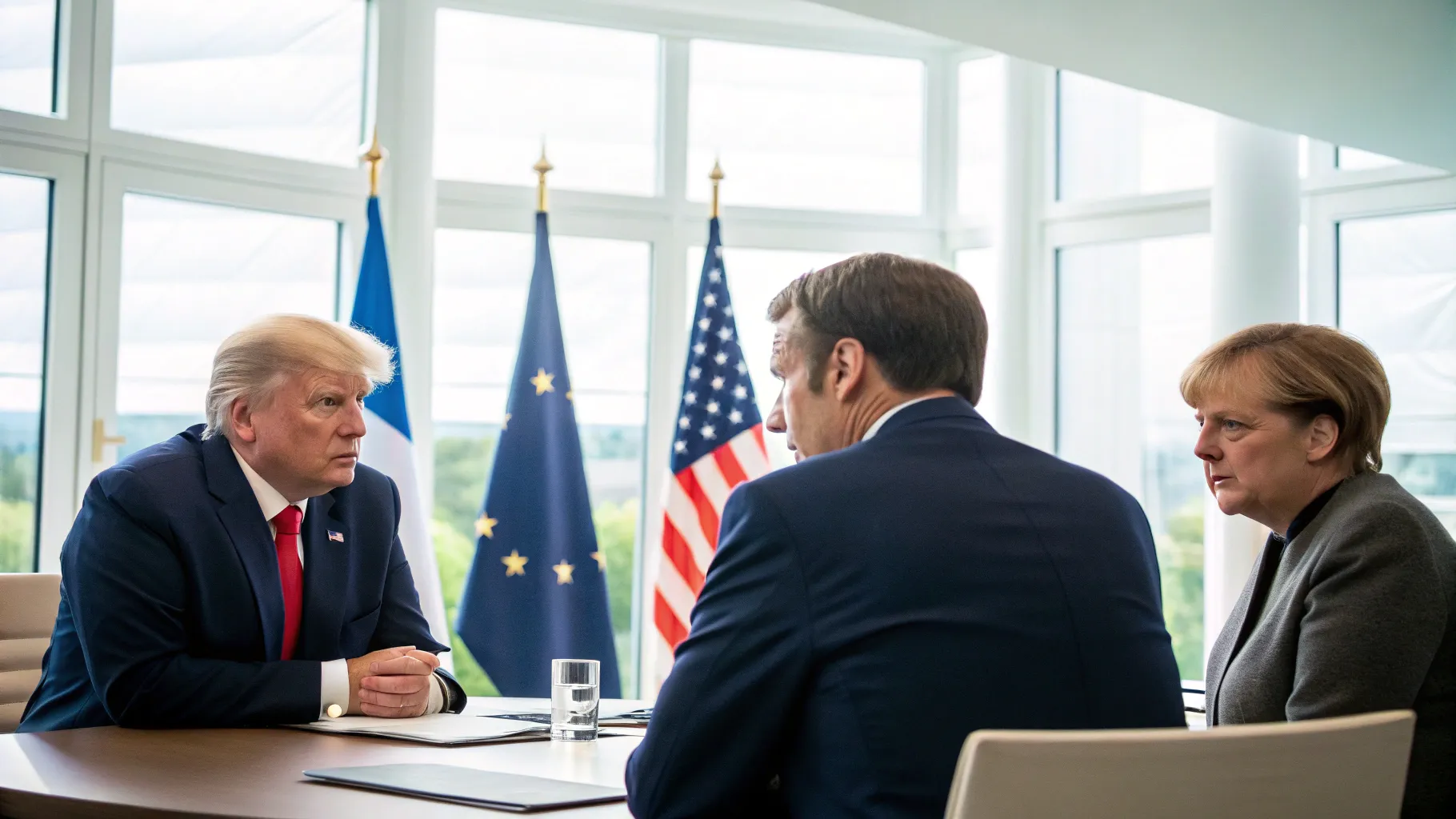
President Donald Trump signaled a fresh escalation in transatlantic trade tensions on Saturday, threatening new 10% tariffs on imports from several European countries. The move risks reigniting a dispute that negotiators spent months trying to cool after last year’s trade war. The prospect of new duties raises questions over consumer prices, supply chains, and the fragile calm in U.S.-Europe economic ties.
President Donald Trump threatened Saturday to impose new 10% tariffs on imports from several European countries. It could unravel months of progress made during trade negotiations settled after Trump’s trade war last year.
Background On Recent Talks
Washington and European capitals only recently stepped back from a cycle of tariffs and retaliation. Last year’s standoff pulled in products from steel and aluminum to luxury goods and farm exports. Negotiators then pursued limited deals and standstills to create space for a broader settlement.
Disputes over aircraft subsidies, digital services taxes, and market access have repeatedly flared. The United States has long pressed Europe on industrial-policy support and tech taxation. European officials have countered with complaints over U.S. duties and threatened counter-measures when talks stalled.
The latest threat arrives before any new comprehensive pact has taken root. It also lands as inflation pressures, while easing, remain a concern for both sides of the Atlantic. Additional tariffs could complicate central bank efforts to stabilize prices and growth.
Which Sectors Are Most Exposed
Officials did not specify which countries or goods would be targeted. Still, past rounds give a clear guide to possible exposure. Consumer goods, autos, aerospace parts, and food products have all been swept up in earlier fights.
- Automobiles and parts could see higher input costs and delayed shipments.
- Agriculture and food imports may face price spikes at the checkout.
- Luxury goods and specialty items could encounter new duties and slower demand.
- Industrial machinery and chemicals may face added friction in supply chains.
Even a uniform 10% tariff would cascade through prices and contracts. Importers might pass costs to consumers or seek new suppliers. Companies with complex cross-border supply lines could face production delays.
Economic And Political Stakes
Economists warn that synchronized tariffs tend to drag on growth. While a 10% rate is lower than some past measures, cumulative effects can still bite. Small and mid-sized firms, which lack pricing power, often feel the strain first.
Politically, Europe is likely to weigh a calibrated response. Past practice suggests a mix of diplomatic protests and a prepared list of counter-tariffs. European leaders have tried to keep channels open to avoid a cycle of escalation.
For the United States, the timing intersects with domestic debates over manufacturing and trade policy. Supporters of new duties argue they protect jobs and leverage negotiations. Critics warn that consumers and exporters pay the price in the end.
What European Capitals Could Do Next
European policymakers have several tools. They can contest new duties at the World Trade Organization, seek exemptions, or match tariffs with measured counter-steps. Parallel talks could attempt to carve out sensitive sectors or set timelines for a broader deal.
Coordinated action among the affected countries would likely be the first step. A shared stance could help avoid a patchwork of responses. It could also keep pressure on Washington to return to the table.
Market Watch And Business Planning
Companies are likely to model scenarios now. Importers may front-load shipments in case tariffs take effect. Exporters could adjust contracts and hedge currency risk. Retailers will decide whether to absorb costs or raise prices ahead of peak shopping periods.
Investors will track any schedule for implementation. The mere threat can move markets if firms expect near-term cost increases or supply disruptions. Clear guidance from both sides could calm nerves and reduce volatility.
The threat of new U.S. tariffs puts recent progress in doubt and raises the prospect of renewed tit-for-tat measures. The next few weeks will show whether talks resume or give way to escalation. Watch for sector lists, timelines, and any European counter-plan. A return to structured negotiations remains the clearest path to protect consumers, stabilize prices, and give businesses the certainty they need to plan.