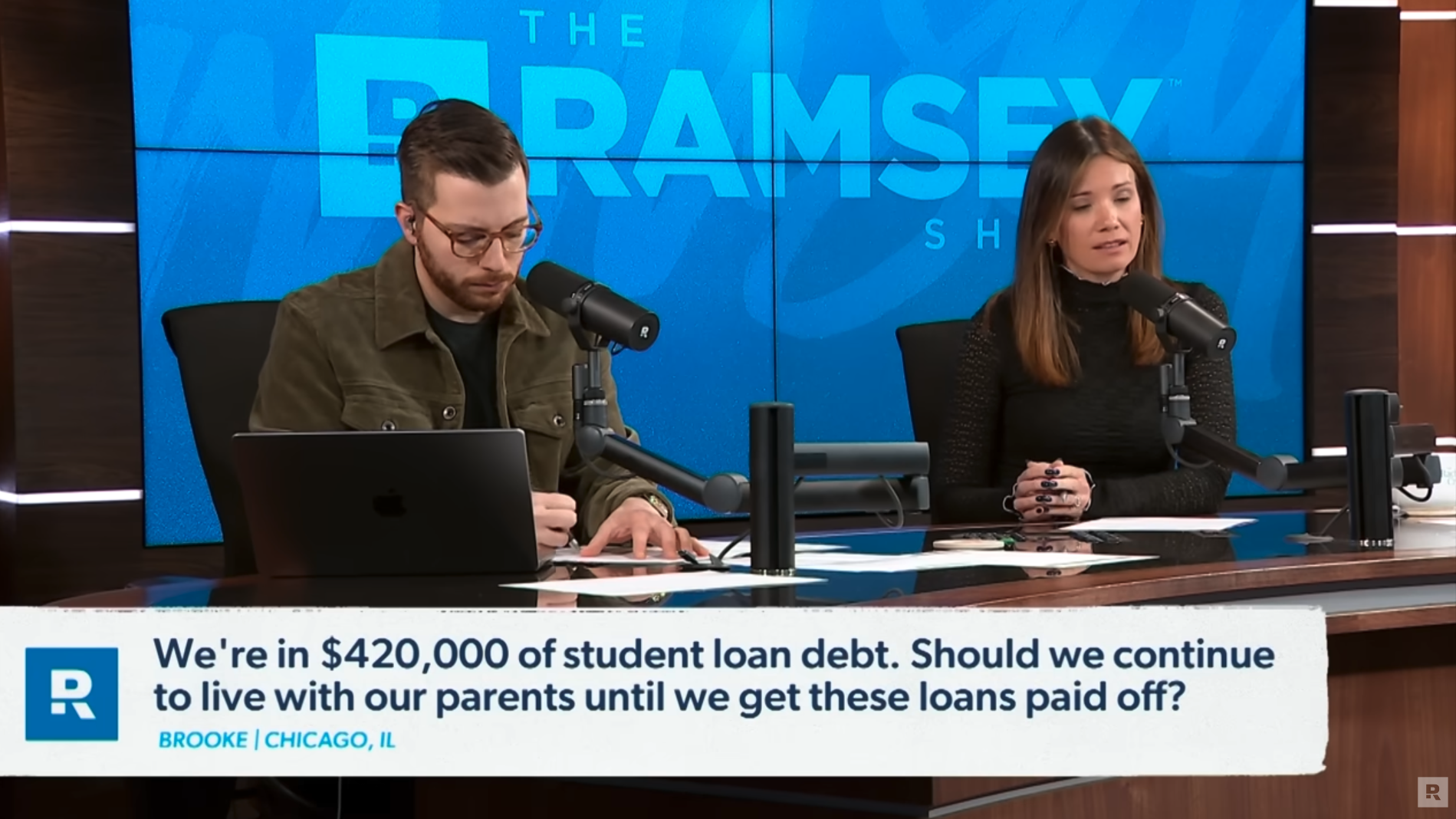
Student debt this large can turn smart couples into cautious bystanders. One recent case laid it bare: a young physical therapist and her dentist husband facing $420,000 left after paying off her loans. They’re living with parents, earning roughly $230,000 to $250,000, and asking if it’s time to move out or even buy. My view is simple and firm: comfort is costly, so attack the debt with urgency, set a firm exit date, and delay the home dream.
The Core Argument
Dave Ramsey’s approach shines here. The path forward is not complicated, but it is hard: live lean, throw every spare dollar at the loans, and keep a short, clear timeline. The warning against comfort creep is the key. Do not let a soft landing become a hammock.
“Don’t let this be a hammock where you go, ‘We’re comfortable… let’s get a nice car. We have no expenses. This is great.’”
The couple could clear this balance in about two years by living like residents and working like owners. That demands focus, not furniture. It demands a deadline, not a detour into house shopping.
Evidence That Demands Action
The numbers tell the story. Combined income near $250,000. No rent while living with parents. Remaining balance: $420,000. Monthly interest alone is stunning.
“He accumulates about $2,500 to $3,000 a month in interest on his loans.”
Moving out now doesn’t just slow progress. It adds a rent payment roughly equal to the interest drag.
“Oh my good. That’s your rent right there.”
So the choice is stark. Either feed the loans or feed a landlord. Ramsey’s push is blunt and wise.
“I would be busting it to make $300,000 this year and throw every penny at the debt.”
The temptation to “balance” life by saving for a home is understandable. It’s also a trap. Every dollar split between goals delays both. Ramsey cuts through the fog.
“Put the idea of buying a home on hard pause right now. We have a huge mountain in front of us.”
The interest alone acts like a second mortgage.
“You have a mortgage right now… The amount of interest you pay is more than most people’s mortgage.”
Set The Deadline, Then Sprint
Staying with family can be a gift if it’s temporary and purposeful. The fix is to lock a move-out date, then sprint. A deadline creates urgency without letting comfort expand to fill the space.
“There’s something about having an end date… so it’s not this ongoing idea that you’re living there.”
That tension is healthy. It pushes growth while keeping money on mission. This is not about staying at home to coast. It’s about a short, focused season that ends with freedom.
What I Recommend
Here’s a clean plan that matches Ramsey’s approach and keeps momentum high.
Follow a clear, single-track playbook before you think about a house.
- Live lean and set a hard exit date with family.
- Pay off the $420,000 with two years of scorched-earth focus.
- Build a six-month emergency fund after the debt is gone.
- Then save for a down payment on a modest home.
Add accountability to remove drift and excuses.
- Share the payoff timeline with parents and ask for check-ins.
- Track every dollar. Budget meetings weekly. Celebrate milestones, not purchases.
- Boost income with extra shifts or production targets to hit $300,000 this year.
One more push: forget the dream of buying this year. Focus turns big numbers into small ones. This couple is 27. Debt-free by 30 and homeowners by 32 is not a loss. It’s a strategic win with compounding gains for decades.
Final Thought
Debt doesn’t ask for permission. It grows daily. This is the time for intensity, not upgrades. Set the end date. Attack the loans. Build the margin. Then buy the house from a position of strength. If you want peace later, choose sacrifice now.
Frequently Asked Questions
Q: Should we split money between debt payoff and a down payment?
No. Splitting slows both goals. Clear the debt first, then build a six-month emergency fund, and only then save for a down payment.
Q: Is living with family a mistake if we stay past a year?
It’s fine for a season if it has a written end date and an aggressive payoff plan. Comfort without a deadline invites drift and new spending.
Q: How do we handle high interest piling up every month?
Fight it with speed. Increase income, slash expenses, and make large, frequent principal payments. The goal is to cut the balance so interest shrinks fast.
Q: When is it wise to move out?
Pick a date that creates urgency, then budget to keep the payoff on track. If moving out adds rent equal to your interest, delay until the balance drops.